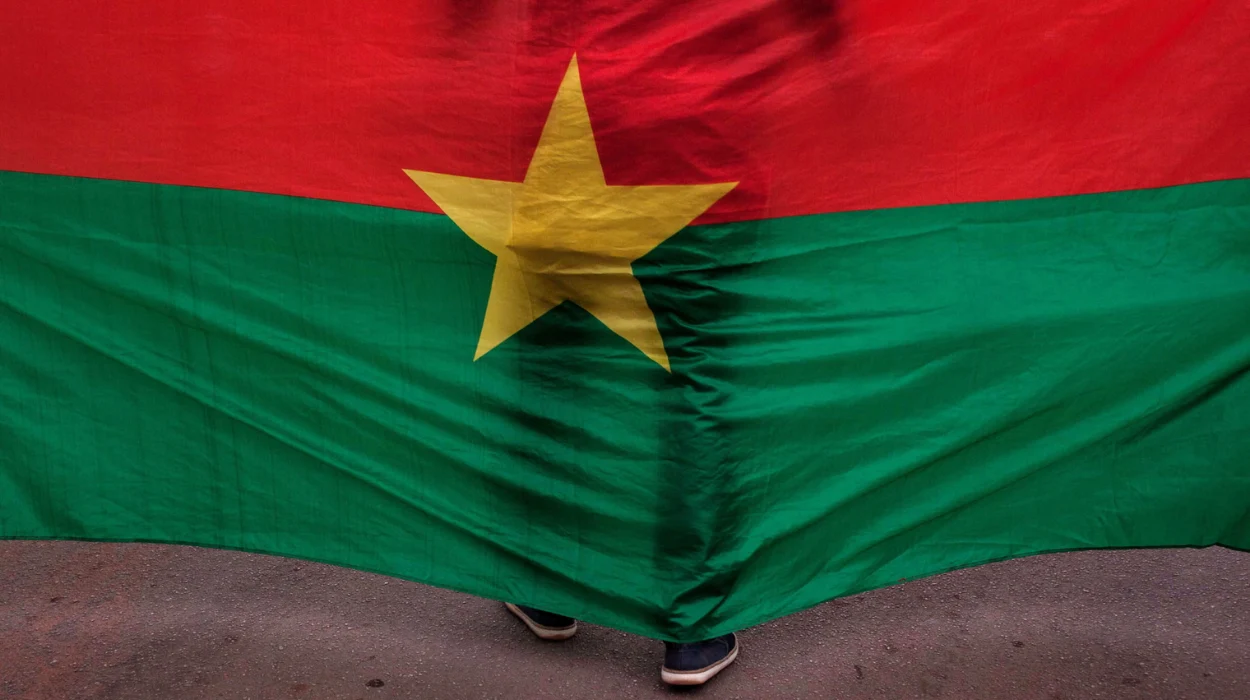
Mali, as well as neighboring Burkina Faso, recently announced a complete visa ban on United States citizens, based on reciprocal measures taken earlier last month over US visa restrictions. Both West African countries under military leadership represent yet another growing list of countries imposing “tit-for-tat” visa restrictions on US visitors.
“In accordance with the principle of reciprocity, the Ministry of Foreign Affairs and International Cooperation informs the national and international community that, with immediate effect, the Government of the Republic of Mali will apply the same conditions and requirements to US nationals as those imposed on Malian citizens,”
the Malian ministry said in a statement.
Burkina Faso’s foreign minister, Karamoko Jean-Marie Traore, issued a separate statement also citing a reciprocity rule to justify his country’s visa ban.
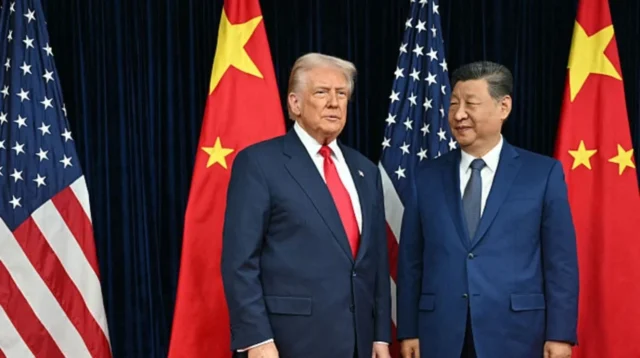
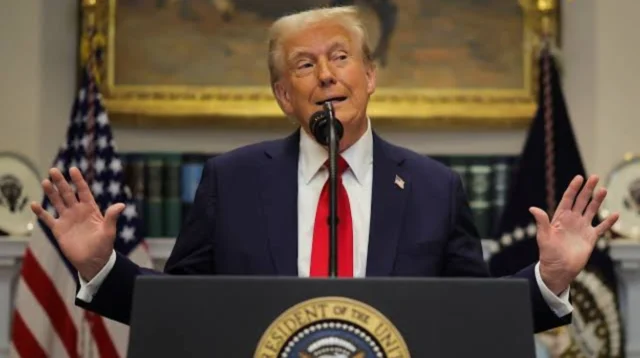
The bans were announced following US President Donald Trump’s decision to extend visa bans to 39 other nations in Africa, Asia, the Middle East, and Latin America in connection with national security.
Which Countries Have Imposed Visa Restrictions on US Citizens?
The new US rules, which went into effect from December 16, hit citizens from Laos, Niger, Sierra Leone, South Sudan, Syria, and Palestinians bearing travel documents issued by the Palestinian Authority. Mali, Burkina Faso, and Niger retaliated with their decisions.
Niger banned entry for US citizens, citing the ban of the United States on its citizens. Chad ceased to issue visas to US citizens on June 6, except for US officials, citing the earlier US ban. These military-led Sahel nations formed the Alliance of Sahel States last July 2024 to address security threats and heighten trade cooperation, further complicating diplomatic relations.
How Many Countries Are Currently Affected by US Visa Restrictions?
According to the Council on Foreign Relations, 39 countries face full or partial US entry restrictions:
Fully banned countries: Afghanistan, Burkina Faso, Chad, Equatorial Guinea, Eritrea, Haiti, Iran, Laos, Libya, Mali, Myanmar, Niger, Republic of Congo, Sierra Leone, Somalia, South Sudan, Sudan, Syria, Yemen, and holders of Palestinian travel documents.
Partially restricted countries: Angola, Antigua and Barbuda, Benin, Burundi, Cuba, Dominica, Gabon, The Gambia, Ivory Coast, Malawi, Mauritania, Nigeria, Senegal, Tanzania, Togo, Tonga, Turkmenistan, Venezuela, Zambia, Zimbabwe. Of note, 26 out of the 39 affected nations are in Africa, reflecting a disproportionate impact on the continent.
Is the US Specifically Targeting African Nations?
It has been observed by many experts that Trump’s policy on Africa is no different than his ‘Muslim Ban’ introduced by his first administration, where Somalia, Sudan, and Libya were initially included along with Middle Eastern countries. However, Sudan has now been dropped, and Chad has replaced Sudan.
How Are US-Africa Trade Relations Being Affected?
Trade relations have not been good during Trump’s second term. The African Growth Opportunity Act (AGOA), which had granted duty-free access to US markets and created over 1.5 million jobs for Africa, expired in September 2025 when Congress failed to extend it. African exports now have high tariffs, sometimes for political reasons.
For example, South Africa was subject to a 30% tariff since then after Trump declared a “genocide” against the white Afrikaner minority in the country, which was highly disputed. Although South African President Cyril Ramaphosa pleaded for diplomatic relations between the two countries to be maintained, the US kept the position but provided the Afrikaners a chance to resettle there.
Trump has also made access to rare earths a priority in a bid to outcompete China in the same field. He resolved a conflict between the Democratic Republic of the Congo and Rwanda involving minerals and brokered a peace deal on the 4th December. However, the violence by the M23 rebels against civilian populations has persisted in the wake of the peace deal.
How Has US Foreign Aid Been Affected?
In early 2025, the Trump administration closed the US Agency for International Development (USAID), slashing foreign aid worth several billion dollars that affected African nations relying on US health and humanitarian services. Non-governmental agencies have registered an influx of hunger within northern Nigeria, Somalia, and northeastern Kenya. Health experts forecast reversals in HIV pandemic control efforts and combating malaria in Lesotho, Southern Africa, and Cameroon.
Despite the commitment of $400 million for health-related projects by the US in Cameroon, the aid is tied to large domestic outlays, thereby showing the extent of the leverage the US maintains in the budgets of aid for Africa.
What About Security Cooperation Against Armed Groups?
The US maintains its military strikes against ISIL and al-Qaeda-affiliated forces as seen in Somalia and now, for the first year, in northwestern Nigeria. According to US officials, these military strikes are essential in securing vulnerable populations such as Christians. The government in Nigeria contends that all citizens are affected by the violence.
These operations represent an ongoing dynamic in US-Africa relations in which there are both joint security arrangements and conflict-ridden trade, visas, and development policies.
How Does International Law View Reciprocal Visa Bans?
According to the Vienna Convention on Consular Relations and the rules of customary international law, states are entitled to restrict the admission of foreigners on grounds of security. Nonetheless, human rights organizations have insisted that restrictions on visas will have to be consistent with the principles of non-discrimination, humanitarian commitments, and the notion of due process. NGOs have insisted that a ban is punitive and misguided, especially among nations already facing conflicts and/or migration crises.