The US economic coercion has been a key tool of foreign policy since the decades as it has aimed at manipulating the adversaries without necessarily having to use the military force. Traditionally, the sanctions regimes against Iran have been used to limit oil revenues, isolate financial systems, and force policy concessions. The strategy was at its peak with the multilateral work on the 2015 nuclear agreement as multilateral pressure enhanced the effectiveness of restrictions.
By 2025, though, the structural circumstances on which this model was based were starting to change. The ability of Iran to adapt gradually to sanctions coupled with the changing global financial networks decreased predictability of economic coercion. The 2026 war has only highlighted these weaknesses and showed that sanctions are no longer sufficient to ensure a strategic advantage. The belief that political obedience would be a direct result of economic suffering has been growing more doubtful.
From Multilateral Strength to Unilateral Strain
The previous effectiveness of sanctions relied on the alliance of key economies significantly. In the situation when alignment was weakened due to the reimposition of unilateral measures, gaps in enforcement appeared. These loopholes enabled targeted states to seek other partnerships and financial networks, lessening the overall effect of limitations.
Sanctions as a Persistent Environment
The leadership of Iran has learned to cope with the sanctions by considering them an extended state and not a transient inconvenience. This change has changed the psychological and economic nature of coercion, shifting sanctions to a shock mechanism, to a manageable constraint.
Adaptation and the Limits of Financial Pressure
The adaptability of the Iranian economic system is a symptom of a larger trend whereby specific states have engineered systems that help them reduce external pressure. By 2025, Iran had increased reliance on alternative trade routes, alternative currencies, and informal financial systems. These changes have made enforcement difficult and made the impact of sanctions less immediate.
The United States has reacted with additional actions, which focus on individuals, ships, and financial intermediaries. But the magnitude of these measures has not regained the previous degree of control complete. Rather it has emphasized the increasing complexity of tracking international financial flows in a fractured system.
The Rise of Parallel Financial Channels
The use of nontraditional banking systems has enabled Iran to continue with economic activity despite the limitations. Routings via intermediaries and non dollar networks have produced opaque layers that are difficult to regulate. This development shows that financial innovation can water down the performance of conventional sanctions instruments.
Incremental Impact Versus Strategic Outcome
Although sanctions still come at an economic price, they no longer serve as effective tools to meet larger strategic ends. The economic pressure has not been converted to political concessions that are decisive implying that pressure- outcome relationship is no longer linear.
The 2026 Iran War and Economic Feedback Loops
The continuing struggle has added some new variables to the equation of economic coercion. The military involvement has changed the market dynamics especially in the energy sector, whereby disruptions have had a global impact. The role of sanctions has been made complex by these developments, turning them into a one-dimensional instrument into a more multifaceted and unpredictable mechanism.
The combination of economic indicators and military operations has given rise to feedback mechanisms that influence both the receiver and the sender. With the increase of the costs on several fronts, the boundary between economic and strategic pressure becomes more colorless.
Energy Markets and Strategic Leverage
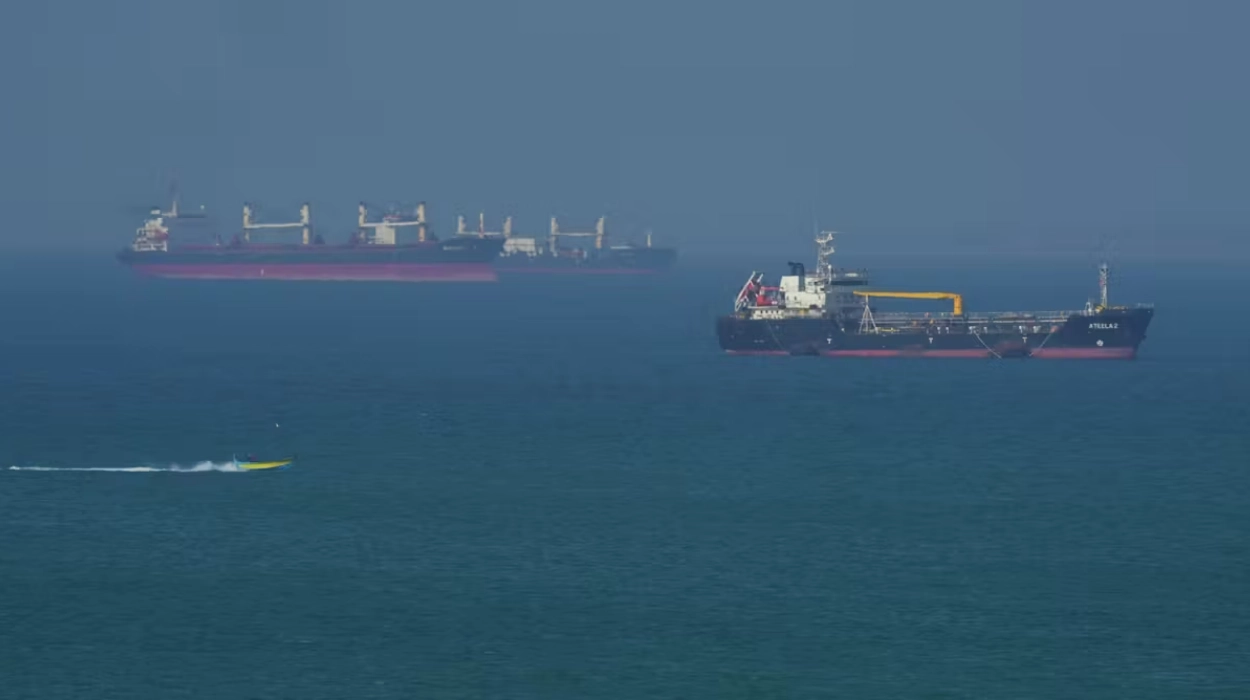
The obstructions in the major shipping ways have increased the significance of geography in economic computations. The power of Iran to control the flows of energy has added a check on sanctions, which allows the country to create indirect costs on the markets worldwide. The result of this dynamic is less asymmetry in which sanctioning powers were traditionally more advantageous.
Domestic Economic Pressures
The United States has not been spared of the financial cost of protracted war. An increase in military operation and market uncertainties have also added to the uncertainties in the economy. These forces put the idea of sanctions as a low-cost option to direct engagement to the test.
Erosion of Dollar-Centric Influence
US economic coercion has always been based on the core of the dollar as the global financial currency. Nevertheless, the last few years witnessed a slowing down of currency usage and financial systems diversification. A number of countries had increased the application of alternative currencies in trade, especially in the energy sector by the year 2025.
This change does not exclude the influence of the dollar but minimizes its exclusivity. The further transactions which are made out of channels controlled by US, the more comprehensive are the sanctions. This trend has been intensified by the 2026 conflict with the concerned states trying to reduce their exposure to financial restrictions.
Diversification of Trade Settlements
The use of more than one currency in the international commerce has given rise to a more complicated financial environment. This decentralization makes it more difficult to have any individual actor have comprehensive control, with weakening the leverage that is implied by dollar superiority.
Constraints on Enforcement Mechanisms
With the development of financial systems, the enforcement mechanisms are challenged more and more. Monitoring and controlling transactions over various networks involves more resources and coordination, which decreases efficiency and effectiveness.
Strategic Adaptation and Political Resilience
The reaction of Iran to prolonged economic pressure exemplifies the significance of political resilience in influencing the results. The state has incorporated sanctions as part of its overall strategic orientation as opposed to surrendering to the demands of the outside world. This strategy is more self-sufficient, diversified, decreasing exposure to external shocks.
The fact that this strategy was maintained in the conflict of 2026 implies that economic coercion cannot be considered a sole determinant of political actions. Rather, it combines with local interests, local politics, and strategic planning.
Reinforcement of Domestic Strategies
Sanctions have led to emphasis on internal economic growth and other collaborations. This change has fortified some industries and diminished reliance on the traditional trade routes. The outcome is a more flexible economic system, though subject to limitations.
Resistance as a Strategic Choice
The maintenance of the current policies amidst economic pressures is an indication of a calculated move. Endurance can be used to indicate to Iran that the price of coercion might not be as high as the perceived benefits of holding its position.
Implications for Future Policy Frameworks
The transformation of US economic coercion in the Iran conflict has more implications on the strategy of the world. The weakening of the impact of sanctions indicates the necessity of a more integrated strategy that involves the use of economic, diplomatic, and strategic instruments. The use of one instrument is becoming inadequate in a multipolar world.
The 2025 and 2026 experience indicates that it is necessary to consider the role of adaptation by targeted states and the evolving nature of global systems in future policies. This does not only entail technical restructuring but also a re-evaluation of the basic tenets regarding power and influence.
Integrating Diplomacy and Strategy
Economic tools are most effective when aligned with clear diplomatic goals. Without a defined end state, sanctions risk becoming an ongoing process rather than a means to an outcome. The current conflict underscores the importance of linking pressure to achievable objectives.
As the global environment continues to evolve, the role of economic coercion will depend on its ability to adapt to new realities. The Iran conflict has revealed both the enduring relevance and the limitations of sanctions, raising questions about how power is exercised in an interconnected world. Whether future strategies can reconcile these challenges will shape not only the outcome of current conflicts but also the broader architecture of international relations in the years ahead.