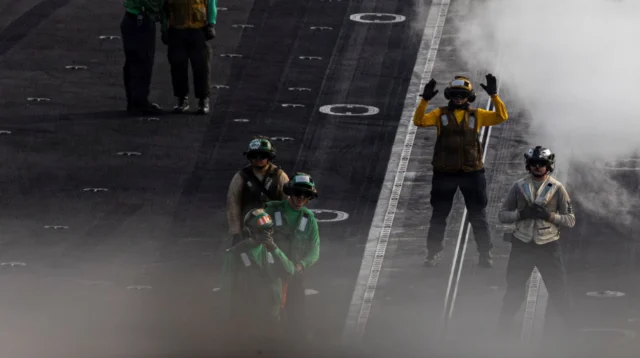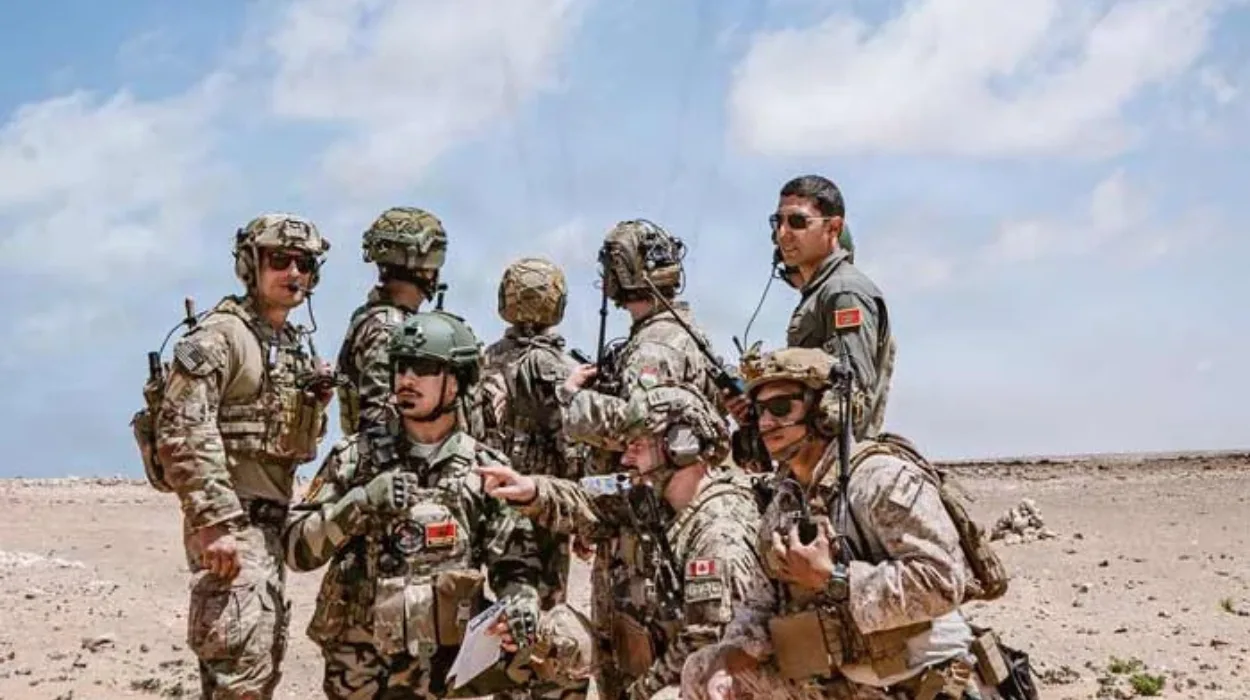
The loss of two U.S. service members during the African Lion 2026 exercise in southwestern Morocco has added a twist of unconventional examination to one of the largest multinational military exercises to be held on the African continent. The forces were reported missing in the area of Cap Draa coastal training zone, which is known to have steep ocean cliffs and unsafe terrain. The authorities of both the U.S. Africa Command and Moroccan authorities have framed the incident as probably accidental, and no immediate evidence suggests hostile action.
Nevertheless, the time and place of the disappearance have increased the worry of safety management in large-scale joint exercises. This episode has taken the focus off whether the operational complexity of such drills is being matched by equally rigorous risk-management frameworks. The accident creates a dilemma between realism in training and the safety of the personnel that cannot be overlooked.
The Scale And Structure Of African Lion
African Lion has developed much since its establishment as a bi-lateral U.S.-Morocco exercise in 2004. By 2025 it was a multi-country operation, involving more than 10,000 troops representing over 40 countries, including NATO allies and partners. Now the exercise includes various domains, such as land maneuvers, amphibious landings, airborne operations, and cyber-defense simulations.
The expansion is a part of a larger strategic goal: to enhance military partnerships in Africa and to increase readiness in the environment that mimics the conditions of real-world conflicts. Nevertheless, the growing size also presents logistical and operational challenges making coordination more difficult, particularly when exercises occur across a variety of terrains and jurisdictions.
Multi-Domain And High-Tempo Training
The 2025 and 2026 versions of African Lion focused on high-intensity, multi-domain operations that would simulate modern warfare scenarios. The training module consisted of rapid deployment exercises, live-fire exercises as well as combined command-and-control exercises. These factors are supposed to equip forces with complex operations, but they also shorten timelines and increase the speed of operations.
These circumstances may put a strain on safety measures, especially when the staff members are moving between the controlled training sessions and the less regulated conditions. The loss close to a coastal cliff area underscores how a non-combat risk may arise even during well planned exercises, particularly when environmental hazards interact with human factors.
Tightening Timelines And Wider Footprints
The growing geographic reach of the African Lion has been a characteristic of the exercise. Activities were dispersed across Morocco, Ghana, Senegal and Tunisia, with each location offering distinct logistical and environmental conditions. This dispersion demands coordinated planning on a variety of command structures, legal frameworks, and communication systems.
The intricacy of organizing safety operations within the scope of such a vast operation can hardly be overemphasized. The host country takes responsibility over local terrain and infrastructure whereas the U.S. planners are concerned with overall exercise goals. This separation of duties may cause gaps in duty especially in those areas that may not be covered by primary areas of training.
Terrain Risks And Environmental Hazards
The fact that the troops went missing in the Cap Draa region is a strong indicator of the necessity of risk assessment, which is specific to the terrain. Such areas, due to their location on coastal cliffs, strong currents, and limited access routes, are inherently dangerous, even in the absence of a military situation. When such natural hazards interact with military action, the error margin becomes very narrow.
Questions raised by the incident are whether adequate precaution measures were taken, including clear demarcation of restricted areas, thorough safety briefings and active supervision during off-duty periods. It also emphasizes the importance of the constant review of the environmental risks when exercises grow and challenges increase.
Safety, Risk, And Operational Standards
Increasingly, modern military exercises focus on the element of realism, with the aim of simulating the element of unpredictability in a real military situation. Although this method increases preparedness, it also creates certain risks that are hard to counter completely. The dilemma is the need to pursue training that is realistic and at the same time the need to safeguard personnel.
The focus on dynamic and high-intensity conditions, as a case with the African Lion, may unwittingly cause the shift of focus away in favor of the routine safety measures. The fact that the two soldiers are disappearing is an indication that even the peripheral activities of the exercise like movement outside the designated training areas should be given the same attention as the core operations.
Supervisory And Communication Gaps
Another aspect of the incident, which attracts attention to the possible gaps in supervision and communication. In case the missing staff were not under specified locations, the inquiry will probably focus on whether the limitations were well communicated and implemented. In multinationals, effective supervision is especially important, as the lack of a shared language and the presence of different operational cultures, can make coordination challenging.
Safety standards can be maintained by having clear communication protocols which are reinforced by regular briefings and real time monitoring. What has happened in Morocco may indicate that these systems might need to be reviewed in order to maintain consistency in all the participating forces.
Historical Precedents And Near-Miss Culture
The African Lion 2025 event experienced no major incidents as widely publicized, which was seen as a positive gauge of high safety performance. Nevertheless, the fact that no high-profile accidents were reported does not imply that there was no risk. In high-volume exercises, small accidents and close calls are often not reported or are considered normal.
This relationship may give a false sense of security where there are hidden vulnerabilities that are not addressed until a more dramatic event happens. The 2026 disappearances could be used as a triggering factor to rethink the process of documenting and analyzing near misses in the framework of the exercise.
Search And Rescue Preparedness
The fact that joint U.S.-Moroccan search operations are deployed at a very rapid pace indicates that contingency plans exist. The success of such plans, however, lies in their implementation in the general design of the exercise. SAR procedures should be drilled with the same intensity as a battle environment so that they will be prepared.
The incident emphasises the need to minimise response times in high-risk settings. The window of effective rescue missions is short in areas such as Cap Draa where the terrain may prove to be an obstacle to successful rescue missions.
Strategic Implications For U.S. Posture In Africa
African Lion is one of the main tools of the U.S. military involvement in Africa, which strengthens partnerships and proves the willingness to contribute to the security of the African region. Nevertheless, the personnel safety incidents may impact the way the partner nation influences.
If the disappearance is linked to procedural shortcomings, it may prompt host nations to reassess their involvement or demand stricter safety guarantees. Conversely, a transparent and thorough investigation could reinforce confidence in the exercise’s management and adaptability.
Balancing Visibility And Responsibility
The visibility of African Lion as a flagship exercise means that any incident carries reputational implications. Maintaining credibility requires not only operational success but also a demonstrated commitment to safeguarding personnel. This balance becomes more challenging as the exercise continues to expand in scale and ambition.
The Moroccan case illustrates how even isolated events can shape broader perceptions of military presence and responsibility, particularly in regions where foreign forces operate in close proximity to civilian environments.
Communication, Transparency, And Public Perception
The initial response from U.S. and Moroccan authorities has emphasized the absence of foul play, aiming to contain speculation and maintain confidence in the exercise. However, limited details about safety measures have left room for questions about preparedness and oversight.
In an era of rapid information dissemination, transparency plays a crucial role in shaping public perception. Detailed and consistent communication can help align official narratives with emerging evidence, reducing uncertainty and maintaining trust.
Long-Term Reputational Considerations
The handling of the incident will likely influence the future trajectory of African Lion. Demonstrating accountability and implementing visible improvements to safety protocols can mitigate reputational risks. Conversely, perceived gaps in transparency or responsiveness could undermine confidence among participants and observers.
As African Lion continues to evolve, the interplay between operational ambition and human safety will remain a defining challenge. The disappearance of two soldiers has not only triggered an immediate search effort but also opened a broader conversation about how large-scale military exercises manage risk in increasingly complex environments, leaving open the question of how future iterations will recalibrate this balance without compromising either readiness or responsibility.