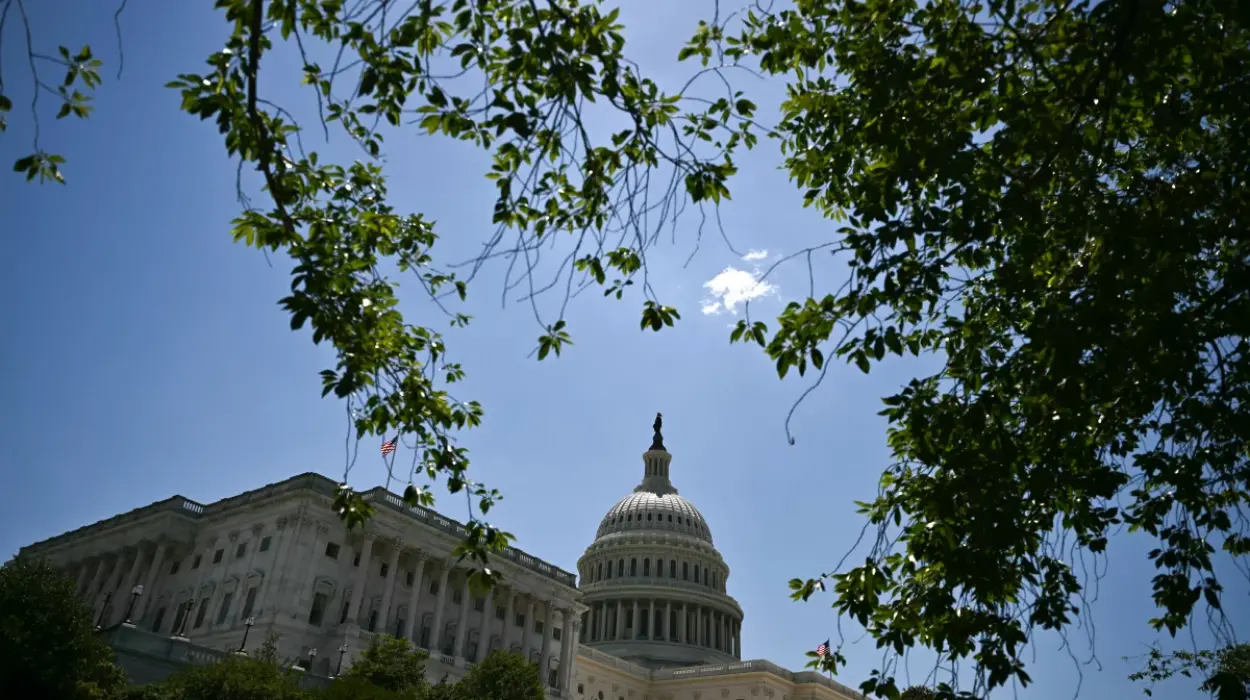
The U.S. Senate just passed a $70 billion immigration enforcement bill, which is one of the biggest moves on border policy in recent times. This happened after heated debates and attempts to amend the bill multiple times. On June 5, 2026, they wrapped up the vote. Importantly, the bill skips adding controls to Trump’s contentious “anti-weaponization” fund, worth $1.8 billion. This initiative faced criticism for transparency issues and potential mismanagement from folks across the political spectrum.
This legislation highlights the growing partisan split on immigration under Trump’s second term. Backers say it’s crucial for border security and better enforcement, but opponents fear it gives the president too much power. They also worry about spending taxpayer dollars on controversial programs with insufficient watchfulness.
Breaking: Senate passes Trump’s $70 billion immigration enforcement package, doesn’t ban weaponization fund https://t.co/jDJckrjNaM
— John Solomon (@jsolomonReports) June 5, 2026
The $70 Billion Package: What’s Inside?
Core Funding Priorities
The immigration enforcement bill allocates sweeping resources to federal agencies responsible for border control and interior enforcement. Key recipients include:
- U.S. Immigration and Customs Enforcement (ICE)
- U.S. Customs and Border Protection (CBP), including the Border Patrol
- Asylum processing and visa backlog reduction programs
- State and local enforcement coordination initiatives
The new bill looks a lot like previous House proposals from late April 2026, which narrowly passed 215–211 without any Democratic votes. While the Senate version added bipartisan amendments and some cross-party talks, the final approval was still very partisan.
Border Security and Enforcement Expansion
A major component of the $70B is dedicated to physical and personnel expansion along the U.S.-Mexico border. This includes funding for:
- New surveillance infrastructure and processing centers
- Additional Border Patrol agents and ICE officers
- Accelerated deportations and asylum case backlogs
“This is about securing the border the way the American people expect,”
said Senator Tom Cotton (R-AR), a leading architect of the enforcement provisions.
“We’re finally giving our border agents the tools they need to do their jobs.”
The Anti-Weaponization Fund: A Controversial Sidecar
What Is the Fund?
President Trump’s “anti-weaponization” fund, worth $1.8 billion, is at the center of a big controversy. It’s supposed to compensate people who think government agencies, especially those linked to the January 6 Capitol riots, targeted them. However, a Virginia court ordered a pause in the fund’s implementation due to legal issues. Critics say the fund isn’t transparent and might end up aiding some January 6 rioters, along with other politically connected individuals.
Senate Rejects Oversight Amendments
During the Senate debate, multiple amendments were proposed to either eliminate the fund entirely or impose strict oversight mechanisms. These included:
- Requiring DOJ oversight of disbursements
- Prohibiting payouts to individuals convicted in connection with January 6
- Sunset clauses to limit the fund’s lifespan
Republicans ultimately defeated multiple attempts by senators on both sides of the aisle to codify ending or changing the $1.8 billion pot of money,”
reported NBC News.
President Trump himself remained noncommittal on the fund’s fate. In a June 2 CNN interview, he told Kaitlan Collins:
“I still consider it a beautiful thing,”
without committing to scrapping it permanently.
Why It Matters
Transparency advocates and some fiscal conservatives are spooked by the fund without limits in the immigration bill. Senior politics reporter Sarah Ferris chimed in on June 1:
“Senate Republicans say funding Homeland Security depends on capping this fund. What’s more, court challenges in Virginia and Florida are making things even trickier for it.”
Partisan Dynamics and Voting Patterns
A Narrow and Divisive Passage
The Senate vote was super volatile. Though the bill eventually passed, its outcome wasn’t a sure thing. Some Republican senators weren’t happy with the anti-weaponization fund. Meanwhile, Democrats thought the package was way too punitive and lacked necessary humanitarian protections. The final numbers showed a divided GOP coalition. Plus, some lawmakers just abstained or skipped voting altogether, which only added to the sense of internal disagreement.
“We cannot afford to pass a bill that so blatantly lacks accountability,”
said Senator Elizabeth Warren (D-MA) during floor debate.
“This is a slush fund disguised as policy.”
Meanwhile, Senator Ron Johnson (R-WI), a key GOP defender, argued:
“This fund is about restoring trust in government and ensuring that those wrongfully targeted get justice.”
House Precedent and Legislative History
The Senate moved after the House OK’d a similar $70B immigration enforcement plan in April 2026. It passed without Democratic support, forcing Speaker Mike Johnson to hold the vote open for over five hours to get enough Republican yeses. While amendable, the Senate version kept the key enforcement points intact.
Legal and Political Fallout
Court Challenges Loom
The anti-weaponization fund is facing legal troubles. A Virginia judge has put the brakes on it, with hearing dates set for June 12, 2026. Florida’s attorneys general are expected to file their own suits, contesting the fund’s constitutionality and transparency. This back-and-forth could stall or completely stop parts of the immigration bill, especially sections involving the fund’s payouts.
White House Position
Despite the controversy, the Trump administration has not abandoned the fund. A senior administration official confirmed on May 31 that Trump plans to drop the $1.776 billion fund, but the President’s June 2 comments suggested otherwise.
“I don’t know if it’s dead,”
Trump told CNN, injecting uncertainty into the legislative process
Congressional Oversight Concerns
Watchdog groups have raised alarms about the fund’s lack of oversight. James Forman, a documentarian covering the issue, stated:
“This fund is being used to reward political allies, not to ensure justice.”
Implications for Immigration Policy and Public Trust
Impact on Border Enforcement
The $70B package will likely accelerate border enforcement operations, including:
- Increased detentions and deportations
- Faster asylum denials
- Expanded use of expedited removal
These measures could reduce backlog but also raise humanitarian concerns, particularly for families and vulnerable populations.
Erosion of Public Confidence
The anti-weaponization fund, included without safeguards, might hurt trust in the immigration system and the government. Plus, critics say it dangerously uses taxpayer money for political issues, which is wrong.
“This is not about border security,”
said Senator Chris Van Hollen (D-MD).
“This is about political payback.”
Long-Term Legislative Consequences
The bill’s passage may influence future immigration reform efforts, particularly regarding:
- The role of executive discretion in funding
- The balance between enforcement and humanitarian protections
- The viability of bipartisan compromise in a polarized Congress
What Comes Next?
With Senate approval, the bill heads to the President’s desk next. If signed, it’ll be one of the biggest immigration enforcement bills in recent memory. Yet, Trump hasn’t said for sure if he’ll sign it. He’s leaving the door open on the anti-weaponization fund, which could allow for last-minute negotiations or even a veto.
This isn’t just an American issue either. In other countries, people are worried about how the bill will affect them. Many nations have citizens concerned over changes to visa and immigration policies. These folks are anxious about green card processing, H-1B visas, and family reunification being impacted too.
The Senate’s approval of a $70 billion immigration bill, while preserving Trump’s anti-weaponization fund, marks a significant moment in U.S. immigration policy. This action highlights growing divisions about border security, presidential power, and money issues. With rising legal challenges and increased public watch, the bill’s impact will define U.S. immigration and shape politics extensively in the future.