The U.S. Senate cut the suggested remittance tax from 5% to 1 % and MAGA supporters are outraged, asking
“Who is lobbying Republicans?”
to get a deal for this benefit for immigrant communities sending money abroad? The cut has raised questions about the influence of special interests and diaspora lobbies in the late night theatrics in front of Republican lawmaker during the soft closing of the “One Big Beautiful Bill.”
What was the original proposal for the remittance tax?
In the beginning, the tax reform plan conceptualized during the Trump administration proposed a 5% tax on international remittances sent by non-U.S. citizens. The purpose of the tax was to generate federal revenue. The tax would have applied to a wide scope of money transfers out of the U.S. The proposal also included cash as well as electronically sent remittances. The previous proposal and subsequent proposal sparked controversy with critics arguing they would disadvantage immigrant families making remittances to support family members overseas.
How did the remittance tax change through the legislative process?
The House of Representatives lowered the tax to 3.5% and included exemptions for some types of transfers. Then, the Senate cut the tax down to 1%, and only from cash or physical payment methods, exempting transfers from U.S. bank accounts and domestic debit/credit cards. This seriously limited the scope and potential revenue of the tax.
Why are MAGA supporters upset about the tax reduction?
MAGA-oriented critics are interpreting the decline from 5% to 1% as bending to lobbying, and calling into question the integrity of those supporting the reduction. They are raising up the concern that the tax reduction benefits immigrant communities without respect to wider tax-neutral satisfactory fiscal responsibility, even accusing republicans of listening to big interest groups or diaspora lobbyists. This is reflected in the sentiment of reading and hearing and misattributed erosion of comment to embrace a facetious ubiquitous question: “Who is lobbying Republicans?”
Which groups might have influenced the Senate’s decision?
Although there has been no formal announcement naming specific lobbyists, there is consensus that Diaspora advocacy organizations, especially those representing Non-Resident Indians (NRIs), among other immigrant groups, sought out legislative interventions to preserve remittance flows. Commercial banks and remittance services could have logically advocated for exemptions on electronic transfer transactions to sustain levels of volume. Legitimately, some political actors within the Republicans themselves, maybe, did not want to stigmatize immigrant voters or constituencies.
What are the broader political implications of this tax cut?
The cut on remittance taxes comes as part of a larger bipartisan Republican-driven tax and spending package referred to as the “One Big Beautiful Bill” and hastily passed in time for the July 4th deadline. The heated debate over the remittance tax indicates internal conflict among the Republican party between fiscally conservative representatives and more pragmatic politicians who recognize the reality of the state’s fiscal situation, the growing political clout of immigrant communities and their advocacy groups on U.S. policy issues, and the challenges political officials have in balancing the need for tax revenue with the various political pressures they face.
What does this mean for immigrant communities?
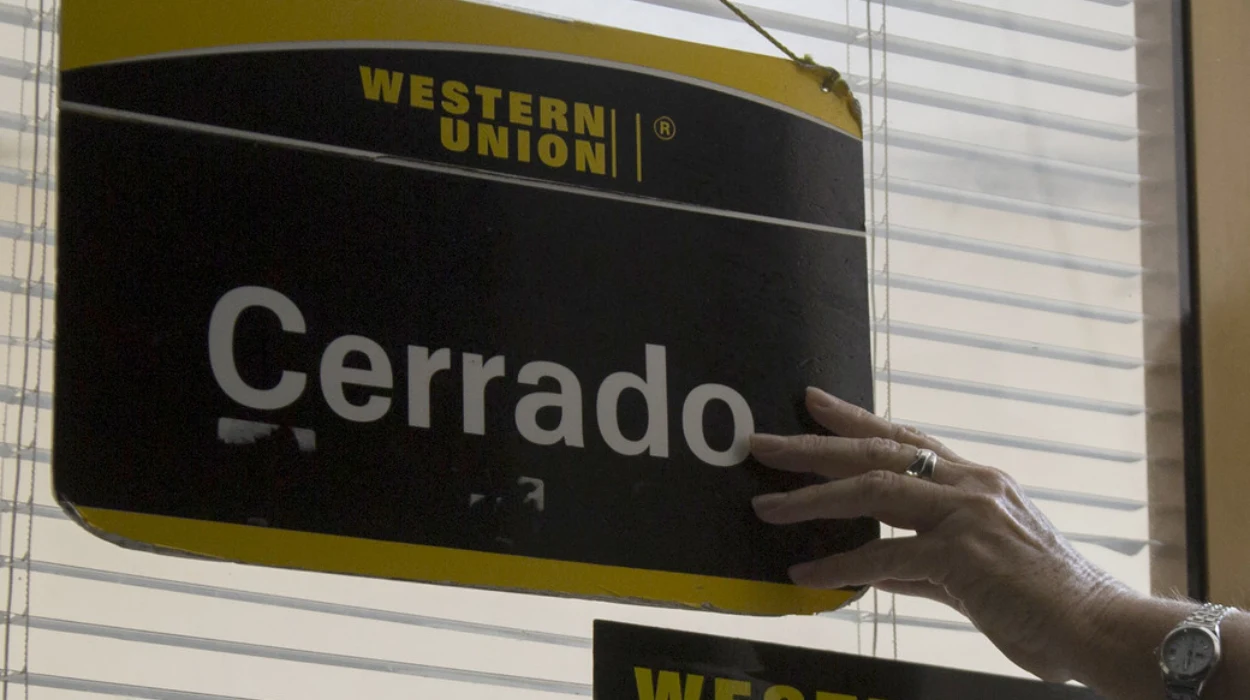
For immigrant families sending money overseas, the 1% tax (which is confined mostly to cash transfers) is much less than many expected, and will represent a small fraction of the true cost. Most remittances sent through banks or digital platforms are exempt from the 1% tax, and so the funds needed to facilitate remittances can continue to be sent around the world, impacting millions of households. There will still be additional costs for some cash-based remitters.