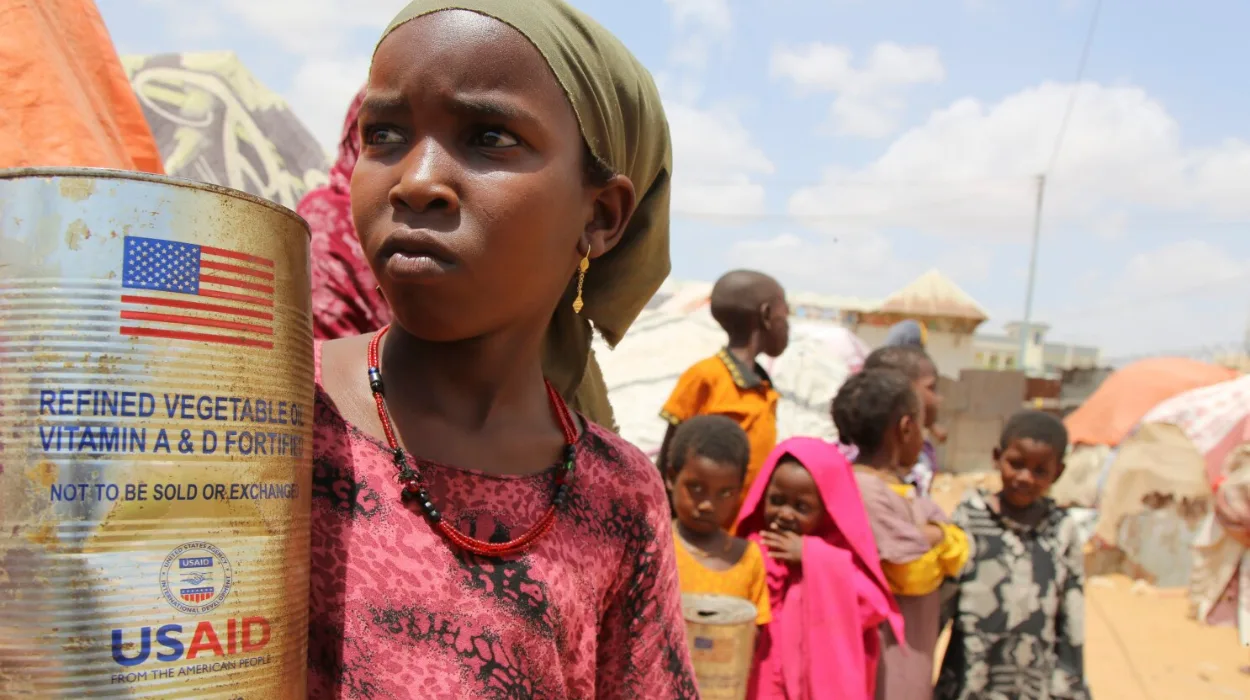
The massive cut of American development aid has severely transformed the health care system in the African continent in 2025. The United States, which used to provide about a quarter of all aid in the continent, has cut down its contributions by close to 80 percent in various humanitarian and health oriented streams. It began accelerating in late 2024, leading to an estimated 38 percent reduction in total US expenditure on development, the largest decline ever recorded in the history of the world that has affected vulnerable regions, including the Sahel and Central and East Africa.
Programs that were essential in HIV/AIDS, maternal health, treatment of malnutrition, and control of infectious diseases were cut down short after the withdrawal of operations funded by USAID. PEPFAR-funded clinics and other global health partners have closed in over 50 countries and millions of people are now without basic services. The South Sudan medical officers recorded a rapid increase in infant mortality after the maternity centers funded by the USAID were closed. According to the projections made by WHO at the beginning of 2025, the overall number of new HIV infections could reach ten million, as well as three million HIV deaths in the upcoming decade, in case the gaps are not addressed.
The impact of the economy has far reaching effects which are not just limited to the health sector. This decline in external funding poses a threat to the national budgets particularly in states that rely on the donor-paid health workforce wages and efforts to monitor diseases. According to economic model projections made by African Development Bank analysts, there will be a cumulative loss of a GDP of 4.5 billion by 2030, assuming the present trend of funds is maintained. The most vulnerable are those generating Somalia, Ethiopia, and the Democratic Republic of Congo situations, which already face the overlapping humanitarian, political, and security crises.
HIV Programs In Critical Decline
The ART distribution, viral load testing, and community-based prevention has been disrupted by the termination of outreach networks. The risk to health officials is that treatment disruptions enable viral rebounds and the spread of viruses among the high-risk segments.
Pressure On Maternal And Child Health Services
Maternal mortality has been heightened because of the breakdown of midwife-led clinics in rural areas. Obstetric complications are becoming deadly without prenatal monitoring.
Economic Fragility Heightened By Donor Withdrawal
Severe funding cuts undermine ministries of health trying to maintain payrolls, infrastructure maintenance and procurement pipes, leading to a halt in reforms in already tense health systems.
The Entry Of New Political Actors And Religious Organizations
The withdrawal of the US government funding has created a wide gap that is currently being occupied by non-state actors, especially the American evangelical organizations. Their expanding clout is altering social programming, political involvement and community health reactions in areas that have been traditionally depending on secular agencies.
Evangelical Groups Expanding Influence In 2025
The evangelical groups have refocused in their efforts at providing front line services to offset the failure of the government to provide them. This has seen them gain presence especially in Kenya, Uganda, Zambia and Nigeria. During several regional development meetings in the early 2025, evangelical leaders highlighted the idea of being able to offer models of community resilience through the prism of holistic, faith-based aid.
They usually use conservative social messaging in their programming, although it is in response to urgent needs. This involves fighting against reproductive rights, ridiculing LGBTQ protection, and advocating traditional family methods. Experts in the field of public health warn that in high stakes settings particularly those in which HIV prevalence is increasing value based restrictions can sabotage evidence-based interventions.
Intersecting Political And Human Rights Concerns
The role that religious bodies play in governance relationships cuts across sectors in a manner that brings up complicating human rights issues. According to the political analysts in East Africa, with the decline in secular programmes, governments might turn to religious actors to facilitate delivery of their services. This is associated with the danger of infusing ideological inclinations into the national health, education and family welfare strategies.
Civil society groups express alarm that without rights-based programs, vulnerable populations such as victims of gender-based violence, LGBTQ + groups, and ethnic minorities would have few avenues of protection and advocacy. The erosion of neutral and fact-based programs compromises the accountability systems that previously helped to curtail the authoritarian tendencies of the weak states.
Shifting Diplomatic Alignments
African leaders are reacting to the changing donor environment, with more and more partnerships with other external powers such as Gulf states, China and Turkey. These new partnerships do not only come with novel funds but also various governance systems, developmental agendas and ideological inclinations which are diametrically opposed to those once espoused by Western donors.
Challenges To Sustainable Solutions And Regional Stability
Six months after the realignment of aid, multilateral institutions admit that alternative sources of financing are still not enough to offset the scale of American retrenchment. There are still talks on how to mobilize domestic revenue and increase partnerships between the government and the private sector but they are yet to deliver operational changes.
Unsteady Relief From Partial PEPFAR Replenishment
Temporary provision of 400 million dollars to support basic PEPFAR initiatives provides a short term stabilization to the countries having high HIV burden. Nevertheless, the vulnerabilities in the supply chains still exist, and a number of ministries have announced the impending shortages of antiretrovirals, infant HIV testing kits and viral load reagents. Disrupted procurement cycles are putting millions of patients at risk of not following treatment in the long term.
Regional Security Risks Intensified By Aid Withdrawal
Several emergency consultations have been held by the UN, African Union and regional economic communities in 2025 though they are constrained with their budgets as well. The repositioning of Western foreign aid on domestic interests complicates multilateral burden-sharing, and the local governments face the problem of dwindling fiscal capability.
Constraints On Broad International Coordination
In conflict-torn countries like Somalia and the eastern DRC, security analysts say, aid-financed stabilization efforts have traditionally acted as firewalls to militia recruitment. The abrupt failure of these programs has helped to increase the number of unemployed young people joining armed forces to enhance instability in the region. Several weakened programs such as food assistance, conflict mediation, and health programs have made local governments find it difficult to have the authority and to provide services that are vital to civilian trust.
A Turning Point For Africa’s Health And Political Landscape
The aid architecture recalibration in 2025 has demonstrated how weak health systems, which were based on decades of external reliance, could be. With the reverberation of the US aid cuts in clinics, supply chains, and community networks, non-Western donors and especially evangelical organizations are redefining the sociopolitical landscape in a way that has long-term consequences.
Such a changing environment leaves a burning question of what lies ahead of the governance of public health, whether ideology or science is better suited to implement service delivery, and whether human rights can be guaranteed under the changing geopolitical pressures. The way African governments and international bodies negotiate this transition will not only impact on health outcomes but will also determine future stability of the region and political pluralism in the continent.