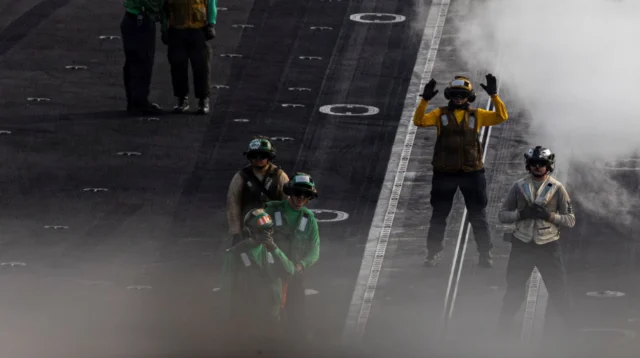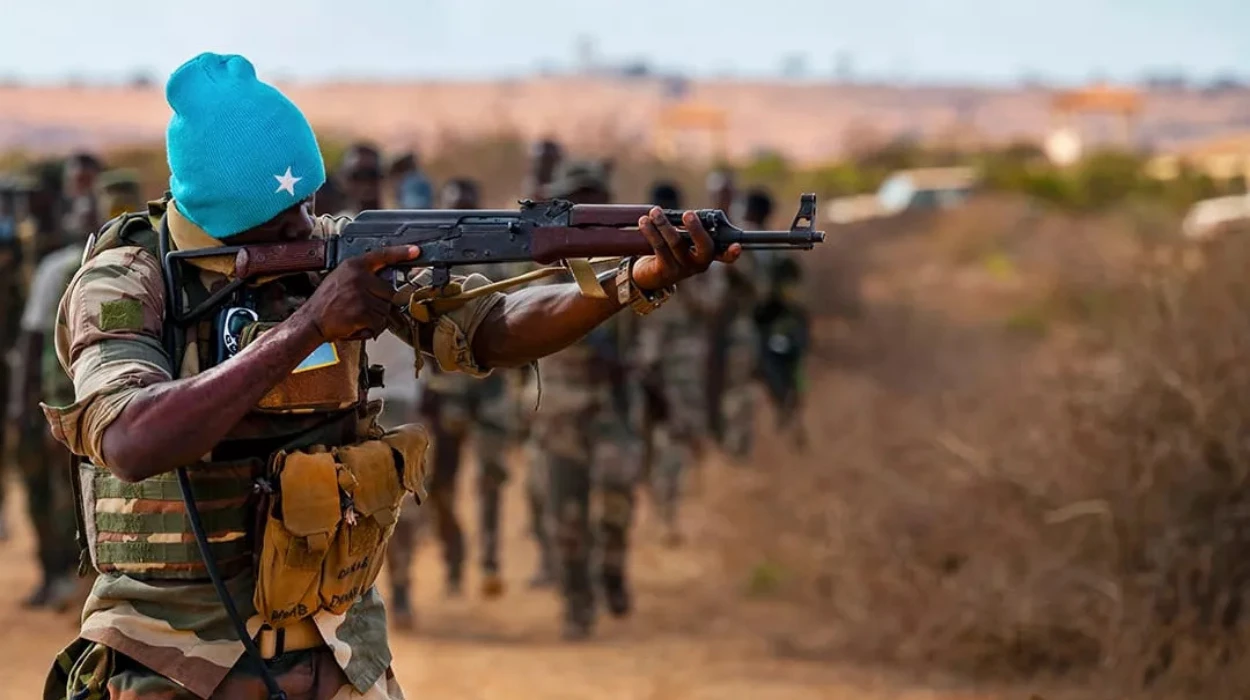
The 100th airstrike by the United States Africa Command in Somalia in 2025 is the most stringent occasion to the counterterrorism position of Washington in the Horn of Africa. As the number of strikes sharply increased, reaching over 100 by November 2025, the more aggressive campaign by AFRICOM is an indication of a strategic change in how they will strike al-Shabaab and ISIS-Somali alike. Although the U.S. military press releases highlight operational advantages over extremist networks, the pace of operation also increases the safety concerns related to civilian exposure, intelligence and the long-term geopolitical consequences.
Surge in Airstrike Activity in 2025
The 2025 operational rate is one of the most intensive U.S. air Newswire in Somalia since 2019. In the year, AFRICOM was expanded to make dynamic strikes, which is a further expansion of the authority it had previously enjoyed under revised Pentagon authorities to give a commander more flexibility in making decisions on target. The expanded air campaign, said General Michael Langley, the commander of AFRICOM, was a direct reaction to the increased depth of operations of ISIS-Somalia, which, by 2024, numbered about 500 fighters but by the middle of 2025, about 1,500.
Shifts in targeting priorities
The large portion of this year’s airstrikes has targeted the ISIS-Somalia strongholds in the Puntland and Bari regions. The November attack in the area of Golis Mountains was allegedly an attack on an ISIS-Somalia logistics cell suspected of coordinating the activities of the recruitment and weapons trafficking.
Persistent operations against al-Shabaab
Al-Shabaab is a group still deeply rooted in the south and central areas of Somalia, whereas ISIS-Somalia has attracted increased attention. Under AFRICOM, there are harmonized strikes assisting the Somali National Army to operate in places like Jilib and Lower Shabelle, in order to limit the movements and funds gathering of the group.
Strategic intent behind escalation
According to the officials of AFRICOM, the surge is in line with the larger U.S. defend forward framework. This strategy focuses on eliminating threats abroad before they can disrupt the allies within the region or access the U.S. interests.
Tactical Effectiveness And Operational Limitations
The public evaluations of AFRICOM outline a number of tactical benefits obtained with the help of the accelerated strike pace. Bomb-making, training, and coordination of operations facilities have been destroyed, throughout 2025, reportedly. Destruction of these nodes is aimed at frustrating the planning processes by the insurgents and weakening leadership cohesiveness.
Declining militant casualty ratios
Contrary to the success of its operations, internal information analyzed by observers demonstrates that the average militant casualties per strike have dropped. In 2023, an airstrike was said to kill an average of 6.1 fighters. This figure fell to approximately 1.4 on strike by 2025. Such a change indicates that militant groups have evolved to avoid being noticed by spreading units, thus lessening their physical presence.
Intelligence and terrain constraints
The rugged terrain of Somalia still poses a problem in the accuracy of air operations. Remote areas having fewer ground forces complicate accurate post-strike evaluation. In spite of AFRICOM using sophisticated ISR platforms more and more, the mobility of jihadist movements makes real-time intelligence confirmation difficult.
Questions about long-term impact
Experts on counterterrorism observe that although airstrikes interfere with short-term performances, the sustainability of such impacts is not clear. This is due to the fact that groups such as al-Shabaab have maintained a strong territorial presence, taxation systems and community penetration which cannot be countered by air power.
Civilian Exposure And Transparency Challenges
The issue of civilian protection is still among the most burning in regards to the AFRICOM 2025 operational surge. The order asserts that intelligence-governed ammunition and rigid targeting standards reduce risks, and initial evaluations of the 100th strike indicate no terrorist lives lost.
Limited independent verification
Entry to the strike sites is also restricted by security threats as well as government restrictions. Consequently, outside organizations find it difficult to verify the number of casualties or the amount of damage. Such a veil is frequently a source of inconsistency between the official accounts of AFRICOM and those of local governments or activist groups.
Impact on community perceptions
Analysts warn that any visible casualty of any kind of civilian can create enmity, especially in places where extremist groups have been using discontent to gain membership. The humanitarian vulnerability of Somalia also contributes to the risk of local tensions, particularly in those districts already impacted by the drought and displacement.
Transparency debates intensify
In 2025, policy researchers and human rights groups still demand the expansion of disclosure of strike information, such as the mechanism of civilian harm reviews. Others have called upon AFRICOM to resume an annual civilian casualty report that was suspended in previous years in order to enhance the confidence of the oversight by the population.
Political And Geopolitical Dimensions
The speeding up of U.S. kinetics operations in Somalia effectively represents wider calculations of the foreign-policy in Washington. According to the national security guidance 2025 by the Trump administration, the focus is on aggressive counterterrorist operations with a smaller footprint on the ground. Somalia, where the U.S. forces carry out their operations mostly by remote engagement and limited partner support operations, is turned into a test ground of this model.
Implications for Somali governance
The Somali government considers U.S. airpower to be critical in curbing the spread of the extremists as the African Union troops remain in a gradual withdrawal. Nevertheless, the government has its own pressures to be sovereign and asserts citizens that overseas strikes do not threaten the national interests.
Dynamics with regional actors
The change is tracked by the neighbors of Somalia which include Kenya and Ethiopia. Enhanced U.S. activity comes into contact with their own security concerns particularly with cross-border militant activity being a constant threat.
The broader Horn of Africa context
The conflict of Somalia is becoming internationalized due to the growing inflow of foreign jihadists fighters in the country. Such development predetermines the way in which the world actors view the region and hold Somalia as the key location of the counterterrorism and great-power conflict discourses.
Examining the Road Ahead
The 100th strike by AFRICOM in 2025 is indicative of the changing threat evaluation as well as ambition to exert pressure on the military utilizing speed and precision. But the milestone also highlights outstanding dilemmas on long-term strategy, local governance capacity and civilian protection structures. Further dependence on airpower is a question that can be raised to mean that it can hardly be effective in effectively weakening deeply rooted insurgents without other political stability and governance changes.
The 2025 trend indicates the increased complexity of operations but also their increased complexity. With such networks evolving in an extreme, transparency arguments gain more momentum, and the local politics transform, the sustainability of these purely tactical wins is in question. The next several months will probably show whether the escalation will reinforce the counterterrorism performance or will further involve regional stability amid the emerging security situation in the Horn of Africa.