The adoption of the WHO Pandemic Agreement at the 78th World Health Assembly in May 2025 marked a structural shift in how the world manages pathogen access and benefit-sharing. Anchored by its core annex on PABS, the agreement establishes a unified, rules-based system designed to stop fragmented and unregulated flows of biological materials. Article 12 outlines rapid sharing of pathogens with pandemic potential through WHO-coordinated channels, coupled with binding benefit mechanisms that support technology transfer, local manufacturing, and capacity building in countries contributing samples.
Africa’s role in these frameworks is rooted in its accelerated genomic development during COVID-19, when more than 70 percent of African Union states expanded sequencing capacity. The continent generated over 170,000 SARS-CoV-2 genomes, a scale that positioned the Africa CDC as a central actor in shaping post-pandemic governance. By August 2025, African negotiators convened in Addis Ababa to consolidate their positions for PABS implementation, underscoring the continent’s insistence on exclusive WHO routing to prevent unilateral data extraction.
Rise of Africa CDC platforms
The Africa CDC’s biobanking and sequencing networks have become foundational to continental health security. With nodes operational in South Africa, Senegal, Nigeria, and Kenya, these platforms bolster the continent’s ability to contribute to global surveillance while strengthening domestic control over biological assets. The PABS framework is seen by African policymakers as a safeguard ensuring that data shared for global safety does not re-enter Africa through inequitable access pathways.
Post-COVID political lessons
The Omicron episode in 2021, where South Africa’s transparent reporting triggered global travel bans rather than reciprocal assistance, remains a defining memory. This event sharpened Africa’s insistence on equitable systems that prevent punitive responses to transparency. It also reinforced the political motivation behind Africa’s push for multilateral over bilateral structures.
Consolidation of negotiating positions
Throughout mid-2025, African delegates emphasized that unified negotiating positions were critical for maintaining sovereignty in global health diplomacy. Their approach centers on supporting WHO’s multilateral architecture, while resisting any transactional model that treats pathogen data as leverage for unrelated aid.
Core elements of the PABS system
The PABS mechanism operates as both a technical and political tool for redistributing benefits associated with pathogen information. Its structure aims to align rapid scientific response with equitable access to lifesaving countermeasures.
Rapid sharing and WHO coordination
States are required to swiftly deposit samples and sequence data into WHO-designated repositories upon detection of high-risk pathogens. These repositories operate through standardized material transfer agreements, ensuring transparent, traceable flows. WHO oversight prevents unauthorized onward sharing, an issue African policymakers cite as historically problematic in bilateral arrangements lacking enforceable protections.
Equitable benefit mechanisms
The benefits provided through the PABS programme will allow priority access for 20% of all Pandemic medical countermeasures at an affordable price. Manufacturers will need to financially contribute to the PABS based on global sales, and developing countries will receive non-exclusive licences to locally produce diagnostic tests, therapeutics and vaccines. The PABS was created to remedy the structural inequities of COVID-19, demonstrated by the long delays that African nations experienced in accessing vaccines after they had supplied vast quantities of genomic data.
Institutional governance and review
The implementation of the PABS will be overseen by a Conference of the Parties whose role will be to evaluate the Repository System, Data Access Rule(s) and the Distribution of Benefits. The establishment of an institutional framework will also facilitate the necessary modifications to adapt to future developments in Science, Technology and Geopolitics post-2025.
US bilateral MOUs and emerging conflicts
US-driven bilateralism has emerged as a countercurrent to WHO’s multilateralism, prompting significant controversy within Africa and the broader IGWG process.
PEPFAR-linked data obligations
US agreements introduced in 2024 and expanded into 2025 require sharing all identified pathogens with epidemic potential within five days as a condition for receiving HIV, tuberculosis, and malaria funding under PEPFAR. The MOUs span 25 years and lack explicit benefit-sharing components, diverging sharply from PABS’s equity-oriented design. By tying essential health support to pathogen access, the United States creates a dynamic African negotiators describe as coercive and structurally imbalanced.
African resistance and unified messaging
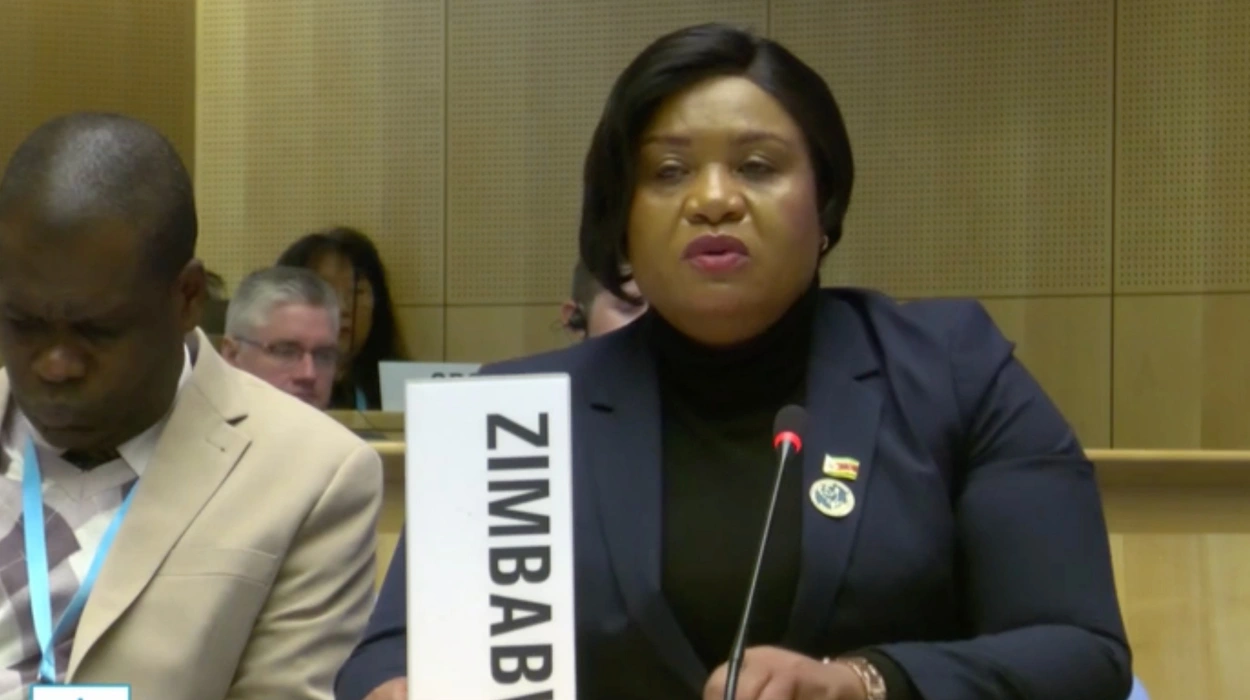
Zimbabwe’s delegate, speaking for 50 African states at the September 2025 IGWG session, reiterated Africa’s position with clarity: “We envision a PABS system that ensures that all PABS materials and sequence information flow exclusively through the WHO system.” This stance aligns with the AU’s 2024 Common African Position, which warned against unilateral arrangements replicating the inequities of the COVID-19 era. The insistence on exclusive WHO routing is central to Africa’s strategy to prevent external override of its pathogen sovereignty.
Strategic implications for African health sovereignty
The confrontation between US bilateral pressures and WHO multilateralism exposes broader questions about Africa’s long-term health autonomy and its place in global governance.
Tension between aid dependency and multilateral obligations
Dependency on US funding places several African states in a difficult position. Accepting bilateral MOUs risks undermining PABS implementation, potentially delaying the entry into force of the Pandemic Agreement. Yet rejecting them could jeopardize essential disease programs. This tension reflects the deeper dilemma at the heart of Africa’s pathogen data debate: choosing between immediate assistance and structural equity.
Capacity building versus data extraction
Africa’s enhanced genomic capacity—built through significant domestic and donor investment—has raised fears of becoming a source of high-value data with limited returns. Bilateral arrangements that bypass WHO systems risk reducing African agencies to extraction points rather than partners in global response chains. The PABS commitment to technology transfer aligns with Africa’s vision of genomic sovereignty, but bilateral demands pressure states to trade long-term autonomy for short-term stability.
Surveillance and sovereignty in 2025 negotiations
Late-2025 IGWG negotiations are focused on technical standards for repositories, digital tracking systems, and binding safeguards for provider nations. African delegations are lobbying for WHO-managed digital tracking systems capable of verifying that shared materials are not redirected through bilateral channels. These mechanisms are presented as essential to preserving trust and ensuring compliance.
Negotiation dynamics in late 2025
As the IGWG sessions enter decisive months, reconciliatory pathways remain uncertain. The United States continues to frame rapid bilateral sharing as a necessity for global security, emphasizing agility and speed. African delegations counter that speed without equity risks repeating the exclusions of 2020–2022, when vaccine access was delayed despite early genomic contributions.
European Union states have generally aligned with the WHO multilateral model, though internal debates continue regarding industry obligations. Middle-income states in Asia and Latin America are watching closely, seeing Africa’s push as a bellwether for how equitable the global health system will ultimately become.
The current discussions regarding the operational structure of global health systems centre around Africa’s challenges associated with managing pathogen data. These discussions will continue until 2026, at which time the results will be determined as to whether the rapid growth and expansion of genomics networks across Africa is to create an increase in sovereignty or a competitive environment between countries operating within Africa (i.e. bilateral/international; USA/Europe versus Africa). This emergence of Genomic Hub locations will begin to provide a new perspective on the distribution of power in the global health landscape and, thus, establish new standards for how nations will share benefits associated with genomic discovery and development as well as revolutionise the traditional means of responding to outbreaks globally.