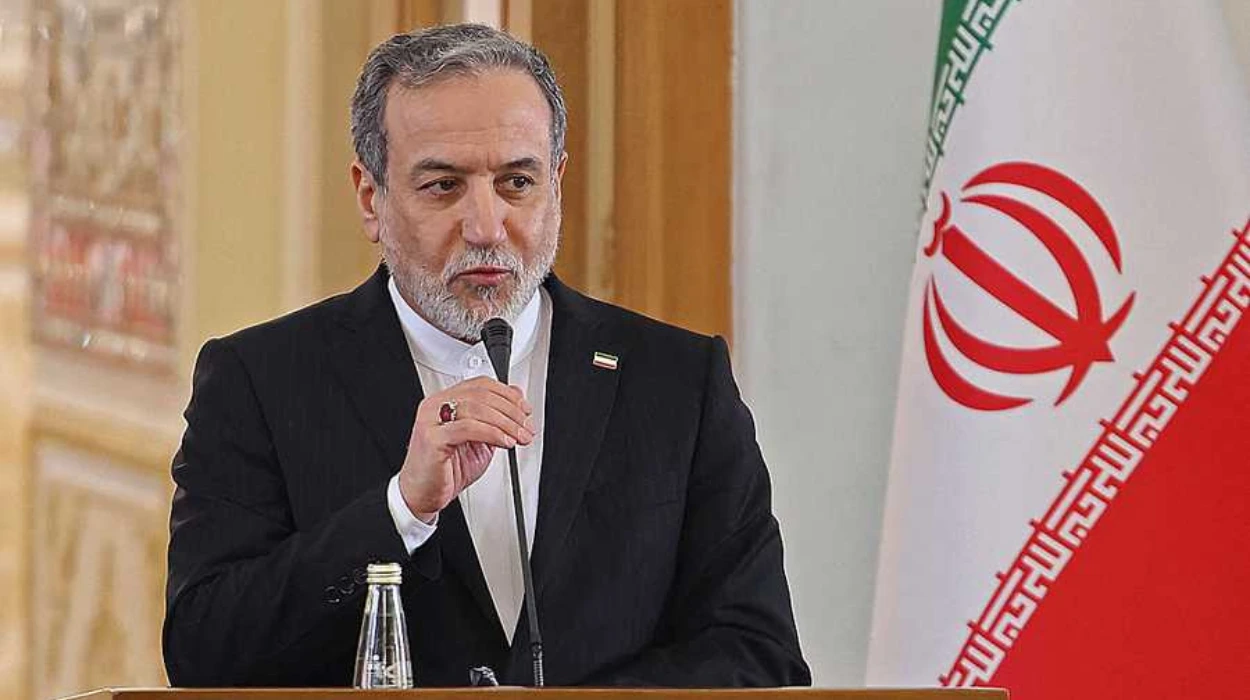
Araghchi’s Warning Foreshadows the trajectory that unfolded when US and Israeli strikes on Iranian nuclear facilities overtook a fragile diplomatic track that had been slowly rebuilding through 2025. Days before the attacks, Iran’s Foreign Minister Abbas Araghchi signaled that Tehran was prepared for “both options: war, God forbid, and peace,” while traveling to Geneva for another round of mediated nuclear talks. His remarks, delivered in a televised interview, combined deterrent rhetoric with an explicit acknowledgment that a negotiated outcome remained possible.
The strikes targeting nuclear sites including Isfahan, Fordo, and Natanz, appeared to override that diplomatic opening. The sequence of events has since intensified debate over whether the United States ignored a viable off-ramp in favor of coercive escalation, and whether the warnings issued beforehand were an accurate reading of the risks ahead.
The Diplomatic Landscape Before the Strikes
By early 2026, indirect talks between Tehran and Washington had regained cautious momentum. Oman’s mediation efforts in 2025 had revived structured engagement after years of stalled diplomacy following the collapse of the 2015 nuclear agreement.
Geneva Talks and Narrowing Parameters
The Geneva meetings in February 2026 represented the third round of renewed engagement. Discussions reportedly centered on uranium enrichment thresholds, phased sanctions relief, and verification mechanisms. According to Iranian officials, general guiding principles had been established, but core disputes remained unresolved.
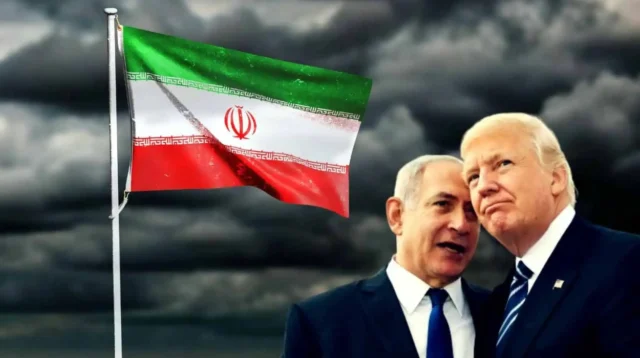
Araghchi emphasized Iran’s insistence on retaining limited uranium enrichment for civilian purposes, describing total abandonment as “non-negotiable.” The US position, shaped by renewed maximum-pressure rhetoric under President Donald Trump, demanded stricter caps and expanded scrutiny of missile capabilities.
The diplomatic space was narrow but not closed. European intermediaries viewed incremental progress as achievable, particularly through step-by-step sanctions relief in exchange for verifiable limits.
Military Posturing and Timeline Pressure
Parallel to negotiations, Washington intensified its military posture in the region. Carrier strike groups, including the USS Gerald R. Ford and USS Abraham Lincoln, were deployed near the Persian Gulf. Additional surveillance aircraft and missile defense assets reinforced the signal of readiness.
President Trump publicly stated that Iran had “10 to 15 days at most” to agree to revised nuclear and missile curbs. That timeline created a compressed diplomatic window, raising concerns among mediators that military options were being prepared in parallel with talks.
Araghchi characterized the buildup as counterproductive, arguing that it undermined trust and increased the likelihood of miscalculation. His warning that a strike would trigger “devastating” regional consequences now reads as a direct prelude to the events that followed.
Araghchi’s Strategic Messaging
Araghchi’s interview was not simply reactive; it was calibrated. He framed Iran as open to a “fair, balanced, equitable deal,” while stressing readiness for confrontation if diplomacy collapsed.
Balancing Deterrence and Engagement
The messaging served dual purposes. Externally, it aimed to deter military action by highlighting the potential for regional escalation involving US bases and allied infrastructure. Internally, it reassured hardline constituencies that Iran would not concede core sovereign rights under pressure.
He rejected US allegations about unchecked missile expansion, asserting that Iran’s ballistic capabilities were defensive and capped below 2,000 kilometers. By placing technical limits into the public discourse, Tehran sought to present its posture as constrained rather than expansionist.
Domestic Context and Regime Stability
Araghchi’s statements also reflected domestic pressures. Protests in January 2025 and ongoing economic strain had tightened political sensitivities. Official Iranian figures on protest-related deaths diverged sharply from international human rights estimates, contributing to external skepticism and internal consolidation.
In this environment, projecting firmness abroad while signaling openness to negotiation was a delicate exercise. Araghchi’s emphasis on preparedness for war alongside readiness for peace captured that balancing act.
Execution of the US and Israeli Strikes
On February 28, 2026, US and Israeli forces launched coordinated strikes on Iranian nuclear facilities, employing cruise missiles and precision-guided munitions. Targets included enrichment infrastructure and associated command nodes.
President Trump declared that “heavy pinpoint bombing” would continue as necessary to achieve the objective of peace. US officials described the operation as lasting “days not hours,” indicating a sustained effort to degrade nuclear capabilities rather than a single warning shot.
Targeting Nuclear Infrastructure
Facilities at Fordo, Natanz, and Isfahan were reportedly hit. Fordo’s underground enrichment plant, long viewed by Israeli planners as a hardened target, sustained structural damage according to early satellite imagery assessments. The strikes followed 2025 International Atomic Energy Agency reports noting Iran’s stockpiles of uranium enriched near weapons-grade levels.
From Washington’s perspective, the action was preemptive containment. From Tehran’s vantage point, it was an abrupt abandonment of an ongoing diplomatic channel.
Immediate Iranian Reaction
Iran vowed “everlasting consequences” and reserved all defensive options. Officials framed the strikes as a blow to diplomacy and cited Araghchi’s earlier warnings as evidence that escalation had been foreseeable.
Retaliation signaling mirrored Iran’s established playbook of calibrated, asymmetric responses. Military analysts noted that direct confrontation with US forces would risk full-scale war, while proxy actions across the region could impose costs without triggering immediate escalation.
Regional and Global Implications
The strikes disrupted more than the Geneva talks; they reverberated across regional alignments and global non-proliferation frameworks.
Gulf states expressed measured responses, balancing security concerns about Iran with apprehension over instability. Russia and China condemned the operation, portraying it as destabilizing unilateral action. European governments, which had invested diplomatic capital in mediation, faced diminished leverage as military realities overtook negotiation frameworks.
Energy markets reacted with volatility, reflecting fears of disruption to shipping lanes and infrastructure in the Gulf. Insurance premiums for regional maritime routes climbed in the immediate aftermath.
The broader non-proliferation regime faces renewed strain. If negotiations collapse entirely, Iran’s incentives to resume enrichment at higher levels could intensify, while US credibility in multilateral frameworks may be tested by allies seeking predictable diplomatic sequencing.
The Missed Off-Ramp Question
Araghchi’s Warning Foreshadows a central tension in crisis diplomacy: whether coercive timelines compress opportunities for incremental compromise. The Geneva process had not produced a breakthrough, but it had restored channels that were dormant for years.
The decision to strike before exhausting that track will shape perceptions of US strategy. Supporters argue that military action prevented further nuclear advancement. Critics contend that it undermined trust in negotiation frameworks just as they began to stabilize.
For Tehran, the strikes reinforce narratives that engagement yields limited security guarantees. For Washington, they reflect a calculation that deterrence requires visible enforcement.
As retaliatory scenarios unfold and diplomatic intermediaries assess the damage, the unresolved question is whether the off-ramp Araghchi referenced was genuinely viable or already too narrow to withstand strategic distrust. The answer will likely determine whether the region edges back toward structured dialogue or settles into a prolonged phase of calibrated confrontation, where diplomacy exists in the shadow of recurring force.