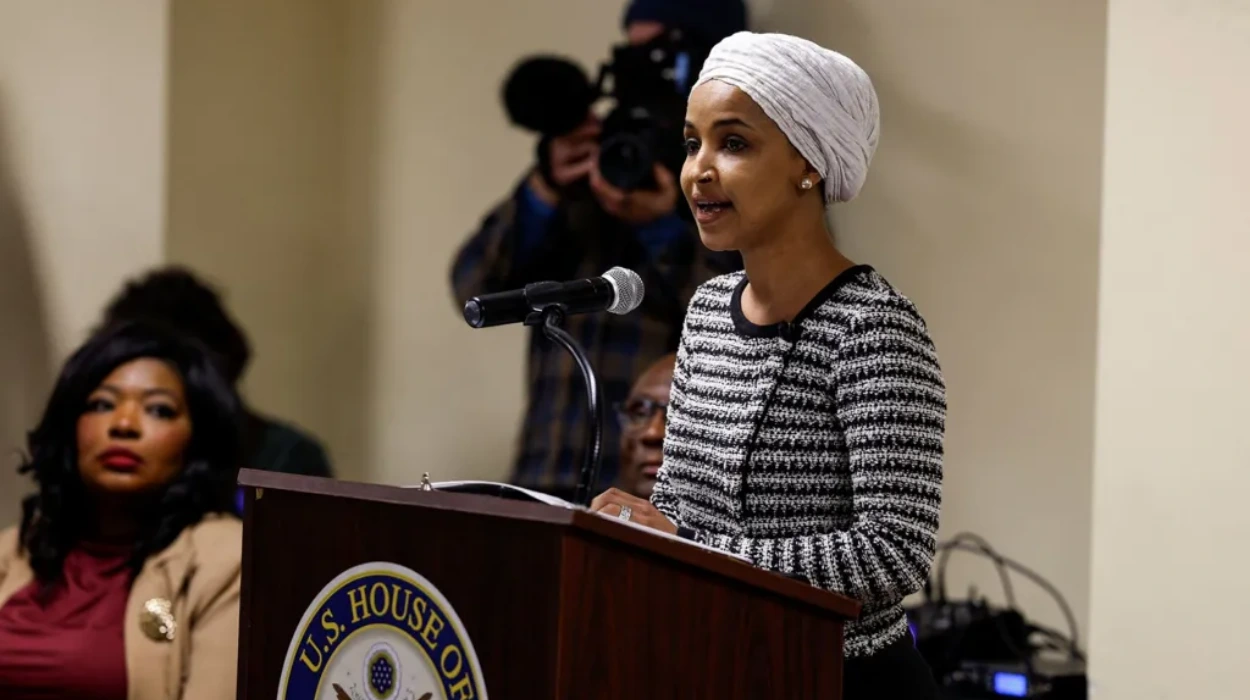
On Tuesday night at a town hall meeting in Minneapolis where Representative Ilhan Omar spoke to her constituents about federal immigration operations, a man ran onto the stage and sprayed vinegar onto her clothing with a syringe. The man was arrested for assault, and the crime scene was processed by forensics to indicate the level of importance that law enforcement is placing on this incident.
The attack on Representative Ilhan Omar during a town hall meeting in Minneapolis on Tuesday evening was not just an isolated incident of a breach of security; it represents the beginning symptoms of an increasing and more volatile political environment in the U.S., marked by extreme rhetoric against minorities, aggressive immigration enforcement actions, and increased acts of intimidation against public officials.
A Climate of Fear at a Community Forum
The assailant attacked 100 persons at an event in a small basement venue to hear about ICE operations near north Minneapolis. As the attacker was subdued by event security personnel, many of the attendees were visibly distressed. Video footage of the incident shows security crowd control personnel yelling for people to “make a hole” for the attacker, who accused the Hon. Representative Ilhan Omar (D-MN) of pitting people against each other as the assailant was escorted from the venue. This same phrase has been used frequently in the current national political climate of partisanship and polarization.
Immigration Enforcement and Local Anger
The town hall took place against the backdrop of two fatal shootings of US citizens by immigration or border officials in Minnesota this month, incidents that have intensified protests and public outrage.
- In January, immigration officer actions resulted in the fatal shooting of Renee Good, a US citizen.
- Last week, Alex Pretti, also a US citizen, was killed after being stopped by border agents.
These cases have amplified scrutiny of federal immigration enforcement. Nationally, ICE arrests have surged in recent years, with civil rights groups reporting disproportionate impacts on immigrant-heavy communities. Minnesota—home to the largest Somali-American population in the United States, estimated at over 80,000 people—has become a focal point of this tension.
During the town hall, Omar called for ICE to be “abolished” and said Homeland Security Secretary Kristi Noem should resign or face impeachment. It was shortly after these remarks that the attack occurred.
Political Rhetoric and the Normalization of Threats
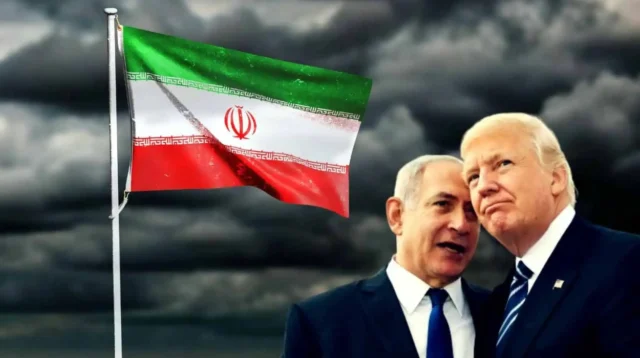
An attack on member of Congress Ilhan Omar occurred shortly after President Donald Trump made inflammatory statements about her during an Iowa rally. In the speech, Trump reiterated previous comments about Omar’s Somali background and that immigrants must “show that they can love our country” before being allowed to stay here. The President has called Omar a “radical left nutjob,” as “disgusting,” and, on 1-18-23, stated via Truth Social that she belongs in jail or should be
“..sent back to Sudan as a punishment.”
Experts on political violence note that such rhetoric—particularly when aimed at a specific person—creates an increased risk for actual physical violence. The U.S. Capitol Police report that threats against congress members have increased steadily over the last five years and that Congress members of minority racial and/or ethnic backgrounds are disproportionately targeted.
A Targeted Figure in a Polarized Era
Omar, elected in 2018, was a historic figure from the outset: the first Somali-American, the first African-born member of Congress, and one of the first two Muslim women to serve in the House. Since then, she has remained a lightning rod for nationalist and anti-immigrant rhetoric.
Studies by organizations monitoring political extremism show that women of color in public office receive significantly higher volumes of harassment and threats than their white male counterparts, often blending ideological hostility with racial and religious animus.
Resilience in the Face of Intimidation
Despite pleas from officials to end the event after the attack, Omar insisted on continuing.
“We’re gonna keep talking,”
she told the crowd.
“Please don’t let them have the show.”
Her decision was met with visible support from attendees. Alfred Flowers Jr., who was present at the town hall, later told the BBC that he respected her “courage and strength to still stay and finish” the meeting.
In a brief address after the incident, Omar invoked resilience and community solidarity, telling attendees, “We are Minnesota strong.”
Political Violence as a Democratic Stress Test
Minneapolis Mayor Jacob Frey condemned the attack, stating that
“violence and intimidation have no place in Minneapolis,”
and emphasized that political disagreement must not endanger lives.
Yet the incident raises deeper questions about whether the US political system is adequately responding to escalating threats against public officials. According to federal data, assaults, attempted assaults, and credible threats against elected officials have risen steadily since 2016, tracking closely with increased polarization and the mainstreaming of dehumanizing political language.
A Warning Signal, Not an Aberration
While the substance sprayed on Omar did not cause physical injury, the symbolism of the attack—using a syringe-like device against a lawmaker discussing immigration enforcement—carries weight. It underscores how political rhetoric, policy enforcement, and identity-based hostility are increasingly intersecting in dangerous ways.
Trump said on Tuesday that his administration would “de-escalate a little bit” in Minnesota following the second fatal shooting. Whether that de-escalation extends to political language and enforcement practices remains unclear.
What is clear is that the attack on Ilhan Omar was not merely an interruption of a town hall—it was a warning signal about the fragility of civic space in an era of deep political division.