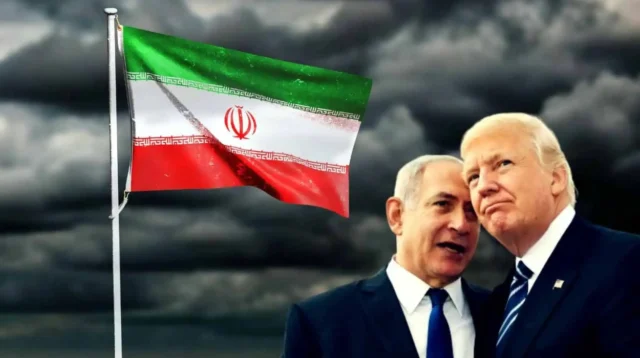
Influence and funding of American policy circles by foreigners in 2025 will be of primary concern with geopolitical rivalries and tendencies getting more intense and external powers are increasing their actions to influence US decision-making. The second Trump administration is also associated with the growth of lobbying by a number of foreign governments in search of strategic advantage in the economic, security and diplomatic front. These trends demonstrate how foreign funding cuts across US political systems, which places outside funds at a disadvantage to the standards of transparency and accountability.
Foreign state attempts to influence the policy have become more advanced. Their strategies are growing to be more fluid in their combination of classical diplomacy, financial incentives, lobbying, and influence campaigns among the most important institutions throughout Washington. This atmosphere increases the necessity of new protections since the networks of influence emerge to new political trends.
Understanding the landscape of external influence
The foreign players employ different mechanisms to reach the US political circles. These instruments consist of direct financial links with lobbying companies, long-term contracts with strategic advisors and investment in the policy-making institutions. With the competition over power, the distinction between diplomacy and the specific political persuasion is becoming even more gray.
Funding networks and political access
Layered resources often flow through the influential lobbying groups to influence discussions on the sale of arms, energy deals, regional coalitions or trade conflict by foreign governments and sovereign wealth funds. The effectiveness of such campaigns is even enhanced by the presence of former US officials on the roster of high profile firms.
Advocacy platforms and think tank sponsorships
Foreign aid usually permeates the intellectual environment of policymaking. Think tanks, research centers and cultural foundations are all sponsored to push messages that support the foreign interests. Such relations influence reports, panel discussions and expert commentary, which ultimately shape legislative opinion.
Political contributions and influence pathways
Direct foreign donations to political campaigns are illegal, but it has been found that there are instances that have been made through intermediaries or shell donors. The intricacy of campaign financing systems causes a vexed problem to regulators in tracking the flows.
Case studies highlighting contemporary influence
A number of studies are still going on to demonstrate how the foreign actors are using various tactics in influencing the American policy outcomes. These instances are an insight into the level of operation of influence networks and the vulnerability experienced by regulatory authorities in the process of trying to regulate them.
Middle Eastern influence activity
The key bargaining clients (including Saudi Arabia and UAE) have long-term contracts with powerful Washington companies. They have priorities based on military sales, defense cooperation, regional security negotiations and energy policy. The expenditure has gone up to the tens of millions of dollars per year, which has strengthened the long-term institutional presence.
Expanding Chinese influence campaigns
The US-China friction in 2025 has given any Chinese-related institution and the interaction with US politics, academia, and technology a closer examination. Inquiries into dark money, advocacy via proxies, and grassroots persuasion have shown that there is a more intricate group of players than it was the case in past decades.
Russian networks and information flows
Despite the improved protection of election interference in the post-2016 reforms, there are fears of the intervention of the Russian-related entities to affect the discussions on sanctions, cybersecurity, energy markets. In 2025, more advanced tools to detect disinformation have detected organized campaigns against policy makers and the discourse.
Regulatory frameworks and persistent challenges
Monitoring mechanisms like the Foreign Agents Registration Act (FARA) have continued to form the core of US attempts to control foreign lobbying. Nevertheless, today the influence campaigns tend to bypass the classical definitions of laws, providing a loophole in regulatory ability.
FARA enforcement pressures
Although more audits and greater penalties will be implemented in 2025, there will be no even compliance. The opponents claim that FARA is excessively dependent on self-disclosure leaving the foreign actors with the opportunity to hide their affairs till it becomes impossible. The Department of Justice is still in pursuit of the violations, but due to the complexity of financial flows, there are significant enforcement challenges.
AML and campaign finance oversight limitations
Attempts to locate the illicit influence using financial systems involve liaison of financial regulators, intelligence agencies, and law enforcement. Although anti-money laundering systems help to provide a check, they do not focus on the political factor and can be exploited.
Interagency coordination efforts
In 2025, congressional committees expressed the necessity to integrate intelligence-sharing systems that would integrate the observation of lobbying, digital influence, and cross-border financial activities. It is believed that a greater level of coordination will be necessary to overcome foreign interference that cuts across sectors.
Strengthening national resilience against influence efforts
The recent policy suggestions are aimed at the increase of transparency, better digital monitoring devices and updating the definition of foreign political activity. These developments are meant to seal the loopholes that are used by foreign players who act in the legal grey areas.
Advancing technological oversight tools
The use of artificial intelligence platforms has become one of the key tools to detect suspicious trends in lobbying reports, social media interference activities, and banking transactions. As good as these technologies are, they need proper legal frameworks to ensure effective operations.
Accountability and public awareness
Enhanced disclosure of foreign-funded operations is perceived to be essential. Civil society groups are still researching the dark relationships and releasing studies that point to danger. Political pressure can be caused by publicity of influence operations resulting in reform.
Sanctions as deterrence
The sanctions are still a necessary measure to contain malicious external influence. Especially the actions targeted at the individuals or organizations involved in undisclosed lobbying or interference practices strengthen the message of the fact that manipulation of the policies will lead to material consequences.
Evolving pressures on American policymaking in 2025
The 2025 foreign influence and funding in American policy circles can be used to explain why international competition and domestic political vulnerability are interacting in a complex manner. These pressure points that are revealed during the year also highlight the challenge of keeping open democratic institutions secure and at the same time being involved in global affairs.
The rising complexification of the external actors compels the policymakers to reconsider the long-held beliefs regarding influence, transparency, and national security. With the evolution of regulatory reforms and the ever modernization of the oversight mechanisms, skepticism still persists regarding the potential effectiveness of the United States to evolve to the next level of influence schemes defining its political future.