At a level never seen before, major drug manufacturers have lobbied their way in 2025. The industrial spending is expected to exceed the level of past years highlighting the intensity of the sector to control the policy discussions on the prices, regulation, and a role of the executive branch. Over half a year of disclosed expenditure alone of over 227 million put the industry on track to a historic high in case the trend is maintained.
Pfizer has become one of the most prolific participants, spending an estimated 7.8 million of money to sway the debate regarding drug pricing mechanisms, access regulation rules and regulatory frameworks regarding products associated with emergency use. Merck, Bayer and Abbott Labs among other companies closely follow suit and continue to have similar aggressive lobbying agendas as policy deliberations increase across Congress and the executive body.
Why The Surge In Pressure Is Intensifying?
Necessary accelerated increases in expenditure are significantly influenced by the new political suggestions that can be considered a direct threat to high margin types of drugs. The revival of interest by President Trump in following the US drug prices with those of other countries has made industry leaders develop expeditious defense tactics. Offers that touch on the access to COVID-19 vaccines are of a sensitive nature due to the amount of revenue such products generated between 2020 and 2024. Purchasing companies claim that the supply or setting up prices may jeopardize the innovation pipeline, which remains a controversial point between health economists and patient-advocacy groups.
Policy Fears Behind The Strategic Campaigns
Economic models generated in the industry indicate that some pricing reforms will decrease the revenues of the industry by more than 1 trillion over 10 years. These estimations have influenced the level of lobbying effort, as companies are seeking exemptions of rare-disease drugs and bargaining preferential treatment in new regulatory legislation. A successful example of lobbying in the recent past is the implementation of the One Big Beautiful Bill Act, which broadens exemptions on orphan drugs, potentially saving companies billions in compliance costs in the future.
The Expanding Political Influence Of Industry Organizations
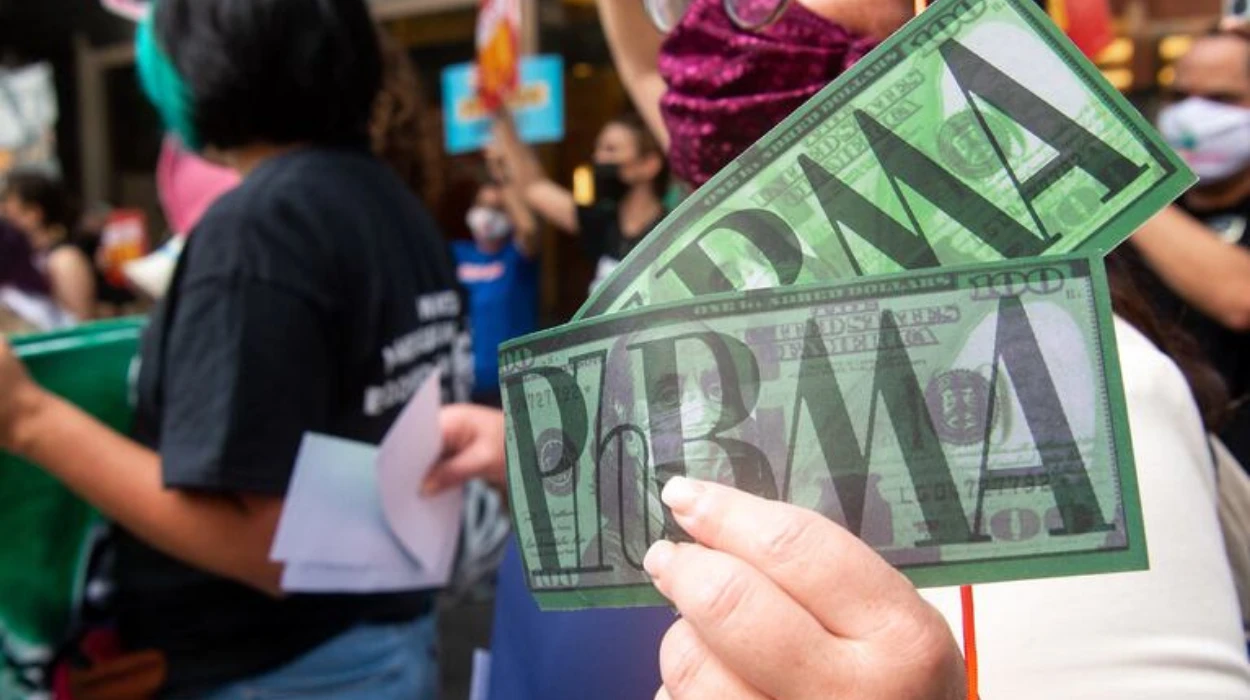
The Pharmaceutical Research and Manufacturers of America is still considered the main political player in the industry. Although the group expresses public support of small-scale reforms, it continually objects to large-scale structural change like wide-ranging most-favored-nation pricing arrangements. The argument behind the position of PhRMA is that price controls would decrease competitiveness in the world and discourage long-term clinical research.
This stance is also supported by political contributions. The national campaign structures have received funding by several companies such as the 2025 inaugural committee by the president. Such donations, such as to hundreds of thousands or more, are one component of a broader strategic initiative to keep a dialogue on the highest levels of government.
The Role Of Former Officials In Lobbying Networks
A major percentage of the over 3,000 lobbyists registered to work in the pharmaceutical interests in 2025 had worked in government in the past. Their experience determines the capacity of the industry to reach out to the decision-makers and understand the peculiarities of the legislative negotiations. The revolving-door dynamic is now a subject of contention within the transparency community, where the aspects of disproportional influence and marginalization of stakeholders with the interest of the public are mentioned.
Public Health Concerns And Policy Tensions
The discussions concerning the cost of drugs, safety regulations and advertisement have escalated within the recent months. One of the most debatable aspects is direct-to-consumer advertising. Lawmakers who want to prohibit or limit these campaigns claim that they lead to high demand for expensive drugs without proper health advice to patients. Pharmaceutical companies respond that advertising helps patients to be aware and attend to appointments on time as restrictions are viewed as obstacles to treatment.
Pharmacy benefit manager role is also changing further, and the role is still under discussion due to the lack of transparency in rebates and the way of their negotiation. Industry leaders often claim that PBM models invert the actual pricing and hide the supply-chain expenses, but PBM companies underline that they prevent the unreasonable price increment.
Innovation Claims And The R&D Narrative
The pharmaceutical industry will always position high cost as a necessity to remain innovative. Executives point to the multibillion research and clinical trials that are needed in the late stage. The critics complain that a significant slice of research is publicly funded and that the expenditure on lobbying is way more than the increase of annual investment into R and D of some firms. This point reemerged with a vengeance in 2025 with new financial reporting released, leading to the renewed examination of the way that lobbying funds are given priority over affordability efforts.
Global Dimensions Of Pharmaceutical Influence
The healthcare trade deals with the international players have gained significance as the US tries to rebalance its healthcare negotiations. Pharmaceutical firms have also lobbied in favor of their retention of higher foreign price standards, citing that a cost-alignment would lead to lower revenues in the country to invest in domestic innovation. Such arguments are politically charged in 2025 when the US reconsiders agreements that are associated with cross-border chain supply and medicine acquisition structures.
The foreign governments and international health organizations have countered some of these stands with the argument of affordability issues and the necessity of having equalized price arrangement. The conflict depicts the conflict between the domestic healthcare agenda and the international pharmaceutical market.
Regulatory Scrutiny And The Debate On Transparency
The amount of corporate funding in political campaigns has increased the clamor to have such contributions properly scrutinized. Watchdog groups have highlighted that, millions of donations and first time money contribute to an atmosphere where the concerns of the industry take precedence over patient requirements. Critics of the weaker transparency regulations say the current regime promotes policymaking which is unfairly in favor of commercial interests.
In mid-2025, multiple congressional committees had reinstigated investigations into lobbying power, and looked at the dependability of political donations and the regularity with which policy choices are receptive to industry-rewarded plans. The discussion is not closed yet, but it still is a vital point of debate on the affordability of drugs and the morality of health care policy-making.
A Shifting Policy Battleground
It is likely that the following months will define the long-term trend of drug power in Washington. This close attention, the changing political scene and the dominant societal interest in medicine affordability are causing an uncertain climate not only among policy makers but also among the pharmaceutical executives. Competing interests are so complicated that the fact that any steps to reform are being taken is bound to be challenged.
However, the events of the year also bring deeper questions concerning the way in which the healthcare policy can change when the financial influence will be structurally incorporated into the process of legislation. The point of neediness between innovation and affordability demanded by the political policy and the populace is an indication of a pivot that can restructure the policy formulation and the challenge to the pharmaceutical policy, in the future.