In the year leading up to the Trump administration’s militarised intervention in Venezuela, corporate actors with significant economic stakes in the country spent hundreds of thousands of dollars lobbying the White House and federal agencies on issues tied to sanctions policy, licensing, and market access — all ahead of a campaign of regime change that critics argue was influenced by these private interests.
This move by fossil fuel tycoons, foreign lenders, and cryptocurrency trading organizations came in a scenario where the US had stepped up its pressure on Caracas, culminating in a contentious military intervention in early January of 2026, which saw President Nicolás Maduro ousted from government and an interim government leaning to the US put in place.
Which oil giants were lobbying, and what were they asking for?
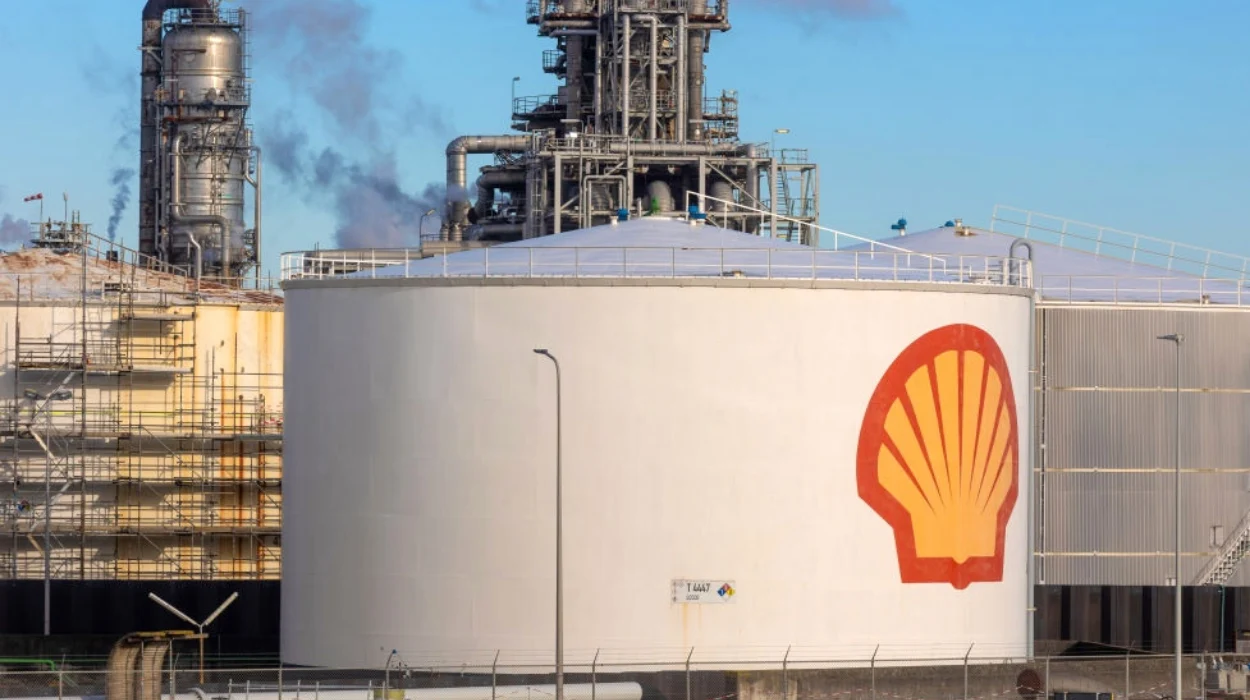
The major oil firms, including Shell, Phillips 66, and Chevron, reported in their lobbying reports that they interacted with the Treasury Department regarding Venezuelan sanctions and waiver licenses from the Office of Foreign Assets Control (OFAC) during the first three quarters of 2025. OFAC waiver licenses are profitable exemptions that permit investment in sanctioned countries despite US economic constraints.
Chevron, in particular, holds a general licence allowing it to operate in Venezuela’s oil sector — the country with the world’s largest proven crude reserves — although the Trump administration later moved to wind down some of these authorisations amid its broader pressure campaign.
Analysts note that Venezuela’s oil sector has been a central prize. Following the regime change, the United States announced plans to control and sell Venezuelan oil indefinitely, directing proceeds toward rebuilding and strategic aims, including preferential access for US companies.
How much are creditors spending to exploit Venezuelan assets?
Lobbying filings also show that Mare Finance Investment Holdings, an Ireland-based creditor, spent $240,000 in 2025 simply to press for a licence from OFAC to enforce a court award against Venezuelan assets, a move that would effectively grant the firm legal cover to pursue repayment in the country.
Mare Finance previously invested roughly $115 million to acquire the rights to a $500 million-plus settlement owed by Venezuela for nationalised glass factories — highlighting how private investment firms have monetised Venezuela’s economic turmoil.
Are US creditor suits adding to pressure on Venezuela?
Lobbying trends reflect a broader strategy among private firms to extract value from a collapsing state. For example, oil-rig operator Halliburton filed an arbitration claim weeks before the US invasion, seeking $200 million in compensation for lost operations due to sanctions.
The International Centre for Settlement of Investment Disputes (ICSID), part of the World Bank,
has been the venue for many of these claims, drawing criticism for prioritising investor restitution over national sovereignty — a dynamic that enriches foreign investors while deepening Venezuelan economic dependency.
How are cryptocurrency interests influencing policy?
The Blockchain Association, a crypto trade group, has lobbied the White House and Congress on a 2025 bipartisan bill that would further restrict Venezuelan financial dealings — including in digital currencies. Venezuela has reportedly used cryptocurrencies to evade US sanctions by accepting them for oil payments, intensifying the political interest of blockchain firms in shaping policy.
These efforts suggest that beyond traditional fossil fuel interests, emerging financial sectors are also positioning themselves to benefit from US-directed economic openings in Venezuela.
What is Chevron’s real strategic interest?
Chevron’s unique position as the only US major with an existing presence in Venezuela has made it a central figure in the corporate lobbying landscape. After Trump revoked prior sanctions waivers in early 2025, the company lobbied for extensions, reportedly prompting discussions at the White House about extending operational leeway.
Market responses underline the financial stakes: Chevron’s stock climbed sharply after reports of regime change, as analysts positioned the firm as the primary beneficiary of renewed access to Venezuelan oil, which could significantly boost its production and market share.
Similarly, other energy giants such as ExxonMobil and ConocoPhillips saw share gains, partly tied to expectations of settling arbitration claims for seized assets and re-entrenching in Venezuelan fields.
Are sanctions waivers shaping the political intervention?
The interplay between sanctions policy and corporate lobbying cannot be divorced from Washington’s broader strategy. While the Trump administration ramped up sanctions and later withdrew certain waivers, firms like Chevron — whose operations account for a significant portion of Venezuela’s oil output — remained deeply entwined in ongoing negotiations over licence status.
This corporate influence blurs the line between economic policy and geopolitical intervention, raising questions about whether US actions in Venezuela are primarily driven by national security arguments or by private sector incentives tied to control over one of the world’s largest oil reserves.
What are the implications of corporate-driven foreign policy?
The alignment of fossil fuel interests, creditor claims, and financial sector advocacy with US regime-change efforts in Venezuela illustrates how lobbying by profit-driven entities can shape foreign policy outcomes. While Washington frames its actions in terms of security and democratic restoration, critics argue that these same policies disproportionately benefit corporate actors positioned to gain from Venezuelan economic reconstruction and resource control.
As the US moves to manage Venezuelan oil exports and encourage private investment, the influence of these corporate lobbies underscores how economic imperatives and strategic foreign policy increasingly intersect in ways that prioritise investor returns over local autonomy and long-term development.