The Special Envoy of Norway to Sudan Andreas Kravik performed a classic diplomatic intervention on November 27, 2025, in a high-stakes encounter in Port Sudan with the leader of the Sudanese Armed Forces (SAF), General Abdel Fattah al-Burhan. Kravik corroborated the fact that there is no new US-supported peace proposal other than the September 2025 Quartet proposal that involves the United States, Saudi Arabia, Egypt, and the UAE. This explanation dismissed the rumors of a new strategy that required the dissolution of the army and this message only fanned the flames, and led to the stalling of talks, in weeks.
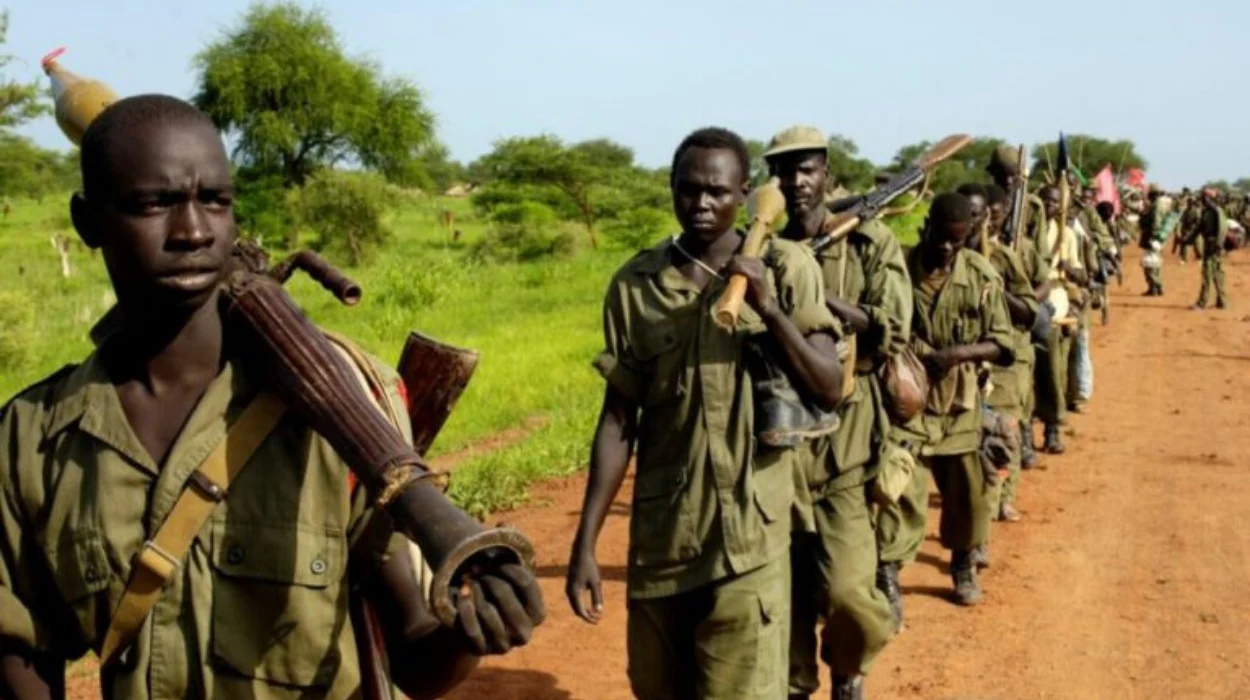
The assurance reinstated attention on the initial framework to help create a three-month humanitarian ceasefire and later move on to civilian rule. As the atrocious war in Sudan enters its third year and the number of deaths reaches over 40,000, the pressure to make sense has only heightened. The misunderstanding has often affected the military reaction particularly in a disjointed battlefield where SAF and the Rapid Support Forces (RSF) are fighting over who has the upper hand in the battlefield in Darfur, Khartoum, and the central corridor.
The message by Kravik emphasized the fact that Norway had played a long-term mediation role and had enjoyed a credible reputation in the political spectrum of Sudan. It also highlighted the US dependency on European mediators to relay delicate stances as the Sudanese actors grow more doubtful of Washington changing regional attitude in 2025.
Reassessing the Quartet’s original peace strategy
The initiative by the Quartet presented a two stage program. The initial stage involved an urgent humanitarian ceasefire of a 90-day period, which was aimed at opening supply lines and bringing aid to the areas where famine-like conditions had occurred. The second stage required the hostilities to be permanently discontinued and the 9-month civilian-controlled political transition. Enhancing the statement that there is no other offer, Norway only substantiated the insistence by the Quartet to retain the September roadmap as the only marker. The members of the quartet have reiterated that the conflict in Sudan has no military solution, and that extended conflict is likely to destroy the territorial integrity of Sudan.
Pressure points and influence among Quartet members
All the Quartet members have different leverage. Egypt is a proponent of SAF and encourages the conservation of state set-ups and Saudi Arabia and the UAE exercise power over RSF aligned networks. The United States has a coordinating role in which it formulates sanctions and diplomatic expectations on the adherence of ceasefire. This interlocking leverage is a cornerstone to the credibility of the plan and the clarification by Norway can just prevent the derailment of the agreed path.
The consequences of stalled implementation
Discussions broke down when SAF came up with statements denouncing what it thought to be a new US offer aimed at sabotaging the military institution. Explaining that there was no such document, Kravik prevented the possible collapse. The correction was received with welcome by the Sudanese Deputy Foreign Minister, who emphasized the fact that Khartoum demanded direct consultation prior to the emergence of new terms. Al-Burhan responded with the same viewpoint saying that Sudan wants a just peace that safeguards the rights of the citizens.
Misinformation as a destabilizing factor in the conflict
The spread of inaccurate reports about a supposed revised US plan revealed the fragility of Sudan’s negotiation environment. In regions like Darfur, where RSF controls extensive territory, narratives can rapidly fuel mistrust. SAF leadership interpreted the alleged plan as an attempt to delegitimize the army, contributing to a hardening of positions.
Impact on diplomatic sequencing
The misinformation forced the Quartet to reaffirm coherence. It also demonstrated the need for precise communication, especially during a period marked by frequent changes in military posture and territorial gains. Norway’s intervention provided a corrective that helped restore diplomatic rhythm.
Effects on communities and humanitarian access
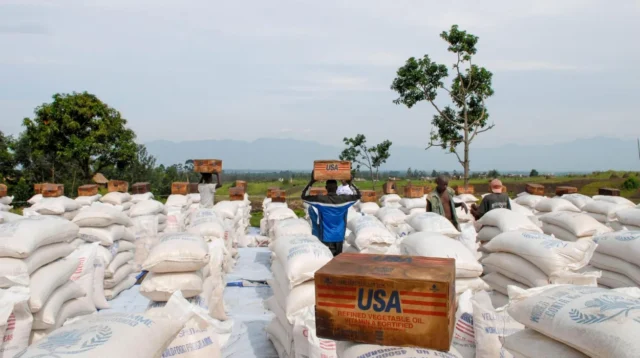
With the stuttering of the negotiations, the humanitarian situation became even worse. Al-Fashir is still besieged and aid organizations confirm that there are 12 million displaced individuals in the country who are at increasing risk of famine. The result of miscommunication is that relief is not delivered promptly and the negotiators are under pressure to avoid disruption that will further increase the suffering.
Humanitarian urgency shaping the peace narrative
The impact of the infrastructure collapse, decreasing medical supplies and shattered aid channels are still being taken in by the civilian population of Sudan. The Quartet plan does not consider humanitarian access as a political sacrifice but rather as a survival strategy. As the cases of cholera outbreaks begin haunting several states at the end of 2025, assistance agencies believe that the time to avoid mass deaths is shortening.
The political implications of humanitarian deterioration
Humanitarian collapse influences diplomatic leverage. External actors increasingly frame ceasefire adherence as a prerequisite for international assistance packages. Norway, through its mediator role, has reinforced this linkage, appealing to both SAF and RSF to meet obligations under the proposed truce.
Opportunities for civilian engagement during transition
The roadmap’s nine-month transition period is designed to revive long-paused civilian institutions. Yet political fragmentation persists. Islamists aligned with SAF are attempting to regain influence, while civil society groups fear marginalization. Norway’s communication helps maintain the roadmap’s structured framework, preventing factions from redefining transitional timelines to suit their own objectives.
Norway’s role within wider regional and global dynamics
Norway is a constant participant in Sudanese peace processes, which had its date as early as the first part of the 2000s. Its impartial position also leaves it in a position of righting wrongs without necessarily initiating political opposition. The tradition of silent but effective diplomacy is carried on by Kravik in his clarification.
Shifts in global policy affecting the conflict
2025 has seen reduced UN influence in Sudan after the transition from UNITAMS, leaving regional actors with greater responsibility. The Quartet, empowered by US strategic recalibration in the Middle East, plays a predominant role, but uncertainties persist regarding enforcement of commitments.
Prospects for Quartet coordination
For the roadmap to advance, Quartet nations must apply synchronized pressure. Prior attempts faltered due to inconsistent follow-through. Norway’s involvement strengthens cohesion by serving as a credible relay between the Quartet and Sudanese stakeholders.
Prospects for renewed negotiation momentum
Kravik’s visit signals an effort to re-anchor Sudan’s peace process at a moment when the war risks further territorial fragmentation. SAF’s openness to the clarified position raises possibilities for re-engagement, yet RSF’s consent remains uncertain. The group’s territorial consolidation in Darfur provides bargaining strength, but its leadership faces pressure from international calls to ease sieges and permit aid delivery.
The coming weeks will define whether the Quartet can translate revived clarity into operational progress. Sudan’s crisis has reached a scale where diplomatic delays carry devastating human costs. Observers now question whether renewed alignment among mediators can overcome entrenched rivalries and proxy influences. As Norway’s intervention reshapes the trajectory, the unfolding steps may determine how close Sudan remains to a political settlement or whether the conflict continues its descent toward irreversible fragmentation.