Public opinion has become central in shaping the direction of US global engagement in 2025, influencing debates on military presence, diplomatic commitments, and economic priorities. Polling data from the Chicago Council on Global Affairs reflects a marked shift toward cautious international involvement, with 55% of Americans preferring reduced military commitments abroad. This shift occurs amid concerns over financial strain, human costs, and the perception that prolonged conflicts yield uncertain benefits.
These sentiments coincide with an electorate attentive to emerging threats such as cybersecurity breaches, digital espionage, and economic competition with China. Public expectations require policymakers to reconcile global leadership responsibilities with calls for fiscal discipline and strategic clarity. The evolving balance between assertive engagement and prudent restraint is now a defining element of foreign policy debates.
Impact Of Public Opinion On Strategic Domains
Public perspectives on military involvement continue to reshape US strategic responses to ongoing conflicts. Support for Ukraine remains significant, with 62% of Americans favoring continued assistance, though increasingly tied to diplomatic settlement efforts. This has prompted congressional scrutiny over aid packages and pressured the administration to pair military commitments with intensified diplomatic outreach.
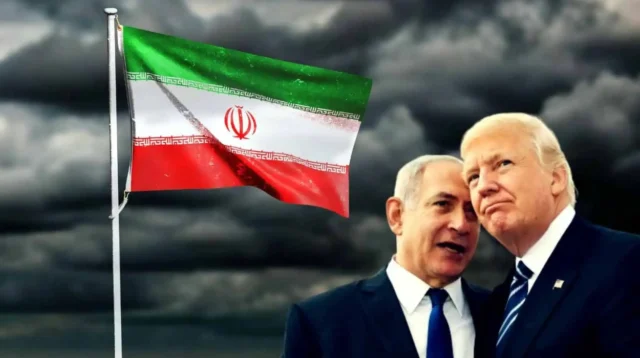
In the Middle East, public skepticism is more pronounced, with growing questions over US roles in Syria, Yemen, and the Israel–Palestine conflict. Public demand for de-escalation influences both arms sales deliberations and humanitarian responses. With large segments of voters urging a shift from military solutions to diplomatic initiatives, lawmakers face heightened expectations for transparent justification of regional engagements.
Economic Priorities And Trade Dynamics
Economic anxieties also shape public attitudes toward global engagement. Concerns about supply chain resilience, trade deficits, and competition with China influence preferences for balanced trade policies that protect domestic industries while maintaining international partnerships. Strategic decoupling in sensitive technological sectors, particularly semiconductors and AI, reflects public insistence on safeguarding national security without abandoning global markets.
Climate cooperation and sustainable development priorities further guide foreign aid preferences. An emerging expectation among voters is that economic diplomacy integrates environmental commitments, pushing policymakers toward coordinated policies linking climate action with global competitiveness.
The Role Of Communication And Transparency
Public opinion has grown increasingly sensitive to transparency in foreign policy. The complexity of global issues challenges understanding, intensifying pressure on government communication practices. Voters expect clear explanations, detailed cost assessments, and candid justification for overseas engagements.
Debates over arms sales and lobbying have magnified calls for accountability. Legislative initiatives such as the No Revolving Doors in Foreign Military Sales Act of 2025 reflect attempts to reinforce public trust by imposing stricter limits on post-government employment and lobbying related to defense exports.
Influence Of Media And Digital Platforms
Shifts in public opinion are amplified by real-time media coverage, online commentary, and the accelerated spread of information. These dynamics enable rapid public reactions to international events but also complicate policymaker responses, as officials must address both immediate concerns and long-term strategic interests. The information environment requires governmental agility to counter misinformation while maintaining policy coherence.
Adjustments In Policy Formulation And Implementation
Policymakers are adjusting to public expectations by reconfiguring diplomatic strategies, allocating resources more selectively, and intensifying scrutiny of foreign commitments. The second Trump administration’s use of tariffs, targeted sanctions, and transactional negotiations aligns with domestic demands for policies emphasizing economic leverage over prolonged military involvement.
Foreign aid restructuring underscores renewed efforts to demonstrate clear returns on investment. Budgetary documents from 2025 reveal a trend toward reallocating funds to cybersecurity, border security collaboration, and technology partnerships areas where the public perceives tangible benefits to national stability.
Balancing Global Leadership With Domestic Sensitivities
Maintaining credibility in multilateral institutions remains essential, though calibrated by domestic caution. Engagements in NATO, the Indo-Pacific, and UN initiatives emphasize burden sharing and measurable outcomes. Public insistence on prioritizing domestic renewal shapes Washington’s approach to alliance management, seeking efficient partnerships without compromising national interests.
The public also supports enhanced cybersecurity cooperation and intelligence-sharing frameworks, viewing them as essential to countering emerging threats. These positions influence diplomatic agendas and defense planning across 2025.
Navigating The Evolving Landscape Of Public Expectations
As public opinion continues to influence foreign policy decisions, US engagement strategies increasingly reflect the complexities of a voter base seeking both security and restraint. The 2025 environment illustrates a dynamic interplay between global responsibilities and domestic priorities, challenging policymakers to craft balanced strategies responsive to both. The growing impact of voter sentiment raises important questions about how future administrations will manage global leadership in an era where public perspectives shape the rhythm, scale, and purpose of US engagement abroad.