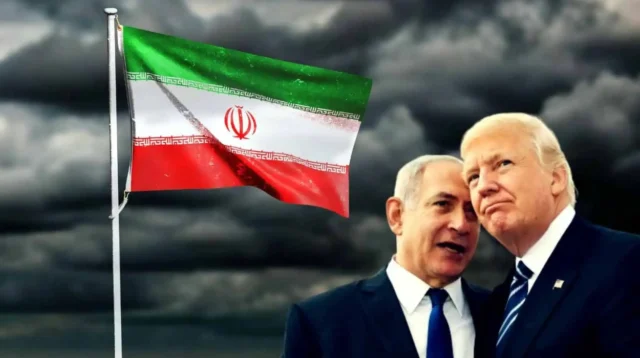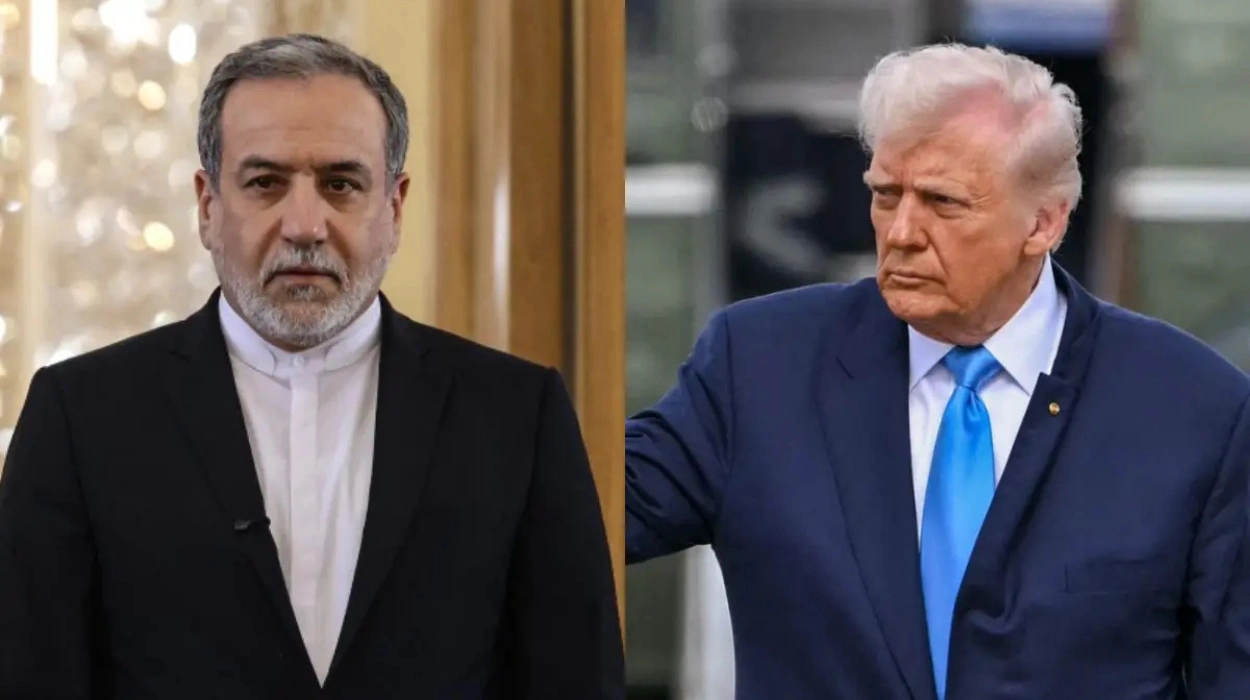
The ultimatum was announced in the 48 hours as part of indirect nuclear talks that took place in early 2026 with the US and Iranian delegations in Geneva under Omani mediation. The deadline was put in the context of having the expectation that Tehran should present a detailed offer within a small time limit before further escalation should be expected. The time scale was indicative of the diplomatic sequence and the military signals, which gave a condensed decision space to all the participants.
The background to this deadline was the previous interruptions in the negotiations, such as the freezing of the dialogue after US-Israeli attacks on Iranian nuclear plants in 2025. The negotiating balance was also changed by such strikes to show that force could be employed but also the incentive of Iran to maintain leverage by continuing to enrich was enhanced. The ultimatum combined two pressure mechanisms, which are visible military posture and negotiation by associating diplomacy with the latter.
Nuclear Stockpile Pressures and Verification Demands
The main reason which is raising the alarm is the fact that Iran has been enriching uranium up to 60%, which is nearly the weapons-grade material. Even though the officials claim that enrichment is within the confines of the civilian domain, the shortened break-out period has only served to mount pressure on the US to seek greater verification and more restrictions. The current exchange has increased because Washington has demanded zero enrichment as a precondition.
Another area of emphasis is verification measures that include the International Atomic Energy Agency. The continuity of the sites that have been struck is also an issue of concern since access to the sites is a technical challenge. The implication of the role of the International Atomic Energy Agency brings out the criticality of the credibility of the inspection in deciding whether diplomatic advancement can be converted into lasting compliance.
Geneva as a Controlled Diplomatic Channel
The Geneva talks have served as a regulated stage, which has reduced any popularisation, but retained direct policy communication in mediators. The mediation process by Oman has availed organized communication platforms where both parties are able to state red lines without facing each other in direct publicity.
The decision to go to Geneva shows a reversion to progressive diplomacy as opposed to the open-ended multilateral conferences. Such a format provides flexibility to the negotiators, however, it also shortens the timelines, which accentuates the symbolic value of the 48-hour limit. In this context, the deadlines not only turn into the procedural indicators but also the strategic tools.
Trump’s Leverage: Military Signaling and Negotiation Framing
The ultimatum is especially linked to a bigger approach of integrated pressure, consisting of the deployment of naval forces, enforcement of sanctions, and direct deterrent message. Presence of military assets in the waters of the regions was also taken as an amplifier of the possible consequences. The message was meant to show readiness but with the space to have diplomatic back doors.
The perception that time is a strategic variable was strengthened by statements of Donald Trump that failure to reach an agreement might result in drastic outcomes. The use of an outcome-based approach as opposed to a process-based approach to negotiations favors the party that has the power to influence the process of escalation.
Scope Expansion Beyond Nuclear Limits
The US negotiators have also reportedly attempted to broaden the negotiations on uranium enrichment to ballistic missiles and the regional proxy actions. This expanded area turns the negotiations from a nuclear aspect to a full-fledged security negotiation. To Tehran, such expansion creates an issue of sovereignty because missile capabilities and regional alliances are usually perceived differently as compared to nuclear obligations.
The expansive agenda expands the bargaining power of Washington but places the negotiator at risk of lengthening the process of reaching an agreement. The distinction between nuclear-only restriction and multi-domain constraint may spell out the difference between momentum being able to withstand the deadline pressure.
Leadership Signaling and Regime Calculus
The strategic environment has sometimes been given a political orientation with reference made to leadership change situations. Even though such allusions are not even the formal negotiation demands, they add to the signaling dynamics which shape domestic perceptions in Tehran.
In Iran, the reaction to the outside pressure depends on the interaction between the political leadership and security institutions. The stance of Ali Khamenei is still in the middle line in redlining. Strategic communication to leadership structures would strengthen unity or may aggravate internal arguments on acceptable compromise levels.
Iran’s Counterproposal and Strategic Constraints
The negotiating position of Iran has been based on the retention of the rights to enrichment within the Non-Proliferation framework with less transparency in place. According to the official opinions, the willingness to dilute stock reserves and conduct more inspections under some conditions, but not to give up domestic enrichment completely has been expressed. This deviation of the zero-enrichment demand is the fundamental structural crisis.
The bargaining space of Tehran is determined by the balance between the rights to sanctions relief and enrichment. Economic stress has added to domestic limitations, and has affected popular feeling and financial solvency. Negotiators are faced with the task therefore not taking into account only technical nuclear parameters but also macroeconomic consequences.
Domestic Stability and Political Signals
The latest domestic processes have complicated the situation in Tehran. The larger social tensions are manifested in periodic protests and arrests of those who challenge it and this may affect elite calculations. Cohesion within an organization is also more important when there are outside imposed deadlines.
Iranian officials have come out strongly denying the coercive frameworks and have been open to dialogue. This two-track opposition and negotiation enables an opportunity to have some flexibility without losing political legitimacy within the country.
Institutional Mediation and Role of Oman
The mediation of Oman has been a stabilizing role of holding indirect contacts and draft proposals. This gives more chances of preventing instant breakdowns during delicate stages. The strategy of using the middle channels is a manifestation of the accumulated experience of previous negotiation processes.
The architecture of diplomacy in Oman offers an impartial platform on which technical aspects would be discussed without political rhetoric taking over the show. This mediation paradigm has now played a role in maintaining contact at times of increased tension.
Regional and Market Implications of the Deadline
The regional actors have strictly followed the course of the ultimatum, as it has the potential of causing a disturbance in the balances of security. The neighbors assess the level of risk to escalation and the chances of another sanctions relief. The deadline then has further implications other than bilateral dynamics.
Negotiation signals have been reacted to sensitively in energy markets. Expectations regarding the stability of supply usually are reflected in price movements in cases including military risk. Even the partial increase might impact transit routes in the regions and investor confidence.
Strategic Deterrence Versus Diplomatic Durability
Combining military signaling with diplomatic deadlines may create leverage in the short term. Nevertheless, the long-term results will rely on the verification system and reciprocal trust-established procedures. Also, agreements can not be durable without organized compliance mechanisms.
The issue of deterrence against negotiation is still a key problem. Too much pressure can cause the entrenching of positions whereas a lack of leverage can lead to the decrease of the incentives to compromise. This balance is narrowed in this ultimatum as the presently used compressor.
Prospects for a Phased Agreement
It is possible that one of the possible directions is incremental sequencing: temporary enrichment constraints, tightening inspections, and gradual changes in sanctions. These arrangements might permit technical advancement and put off wider political disagreements. This model will be feasible in case both sides consider some partial steps as strategic.
Whether momentum from Geneva can transition into a structured framework will depend on upcoming exchanges and draft proposals. The third round of discussions is expected to test whether the deadline catalyzes convergence or sharpens divergence.
The 48-hour structure surrounding Tehran’s proposal has transformed procedural timing into a core bargaining instrument, merging diplomatic dialogue with military credibility. As talks proceed, the balance between verification demands, enrichment rights, and broader security concerns will determine whether pressure yields compromise or prolongs confrontation. The next exchanges in Geneva will clarify whether deadlines function as catalysts for agreement or as markers of deeper strategic divergence, shaping the trajectory of negotiations well beyond the immediate window.