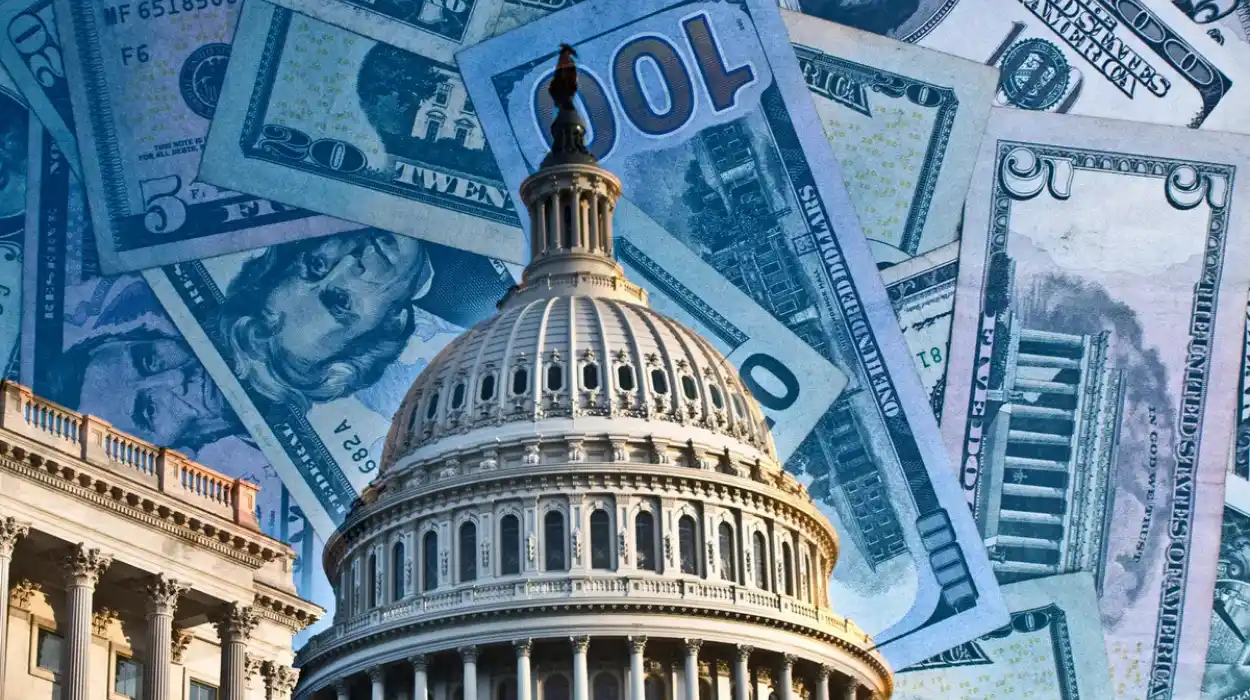
Openness in lobbying is a fundamental element of democratic leadership as it helps the citizens to know who is behind the policy-making process and the exercise of power. This transparency is necessary to avoid unnecessary power of a special interest but to make elected officials accountable to the citizens as opposed to individuals. In America, the lobbying system is highly sophisticated with hundreds of billions of dollars spent annually to sway legality and regulations, and thus the transparency systems must be solid.
With the political environment becoming more polarizing and political concerns such as campaign finance reform still being hotly contested, transparency as a means of preventing corruption as well as as a method of restoring citizen trust in government have become a sought-after concept. The ongoing changes in the lobbying practice, indirect lobbying via non-profit organization, and online lobbying create additional challenges to the conventional regulatory framework. The increasing interconnection between lobbying, political giving, and online power highlights the need to change. The renewed work in 2025 on both federal and state levels is based on this urgency in the attempt to seal loopholes, which in the past, have dimmed the entire picture of lobbying activities.
Recent Legislative Developments In US Lobbying Reform
The 2025 legislative activity has included much in terms of increasing disclosure and making reporting more rigorous. Among the most noticeable is the Lobbying Disclosure Modernization Act (LDMA) that expands the definition of lobbying by considering digital advocacy and grassroots mobilization. Such expansion requires lobbyists to disclose such activities as specific social media campaigns and organized PR work targeting legislators.
The other significant development is the empowerment of the Honest Leadership and Open Government Act (HLOGA) that brings more regular and specified reporting on the use of lobbying funds, clients, and political donations. The Federal Election Commission (FEC) has also intensified compliance by creating special units that monitor compliance with the lobbying and campaign finance laws.
At the state level, politically important states such as the state of California and New York have implemented reforms that have created real-time disclosure of the lobbying meetings and have made it accessible to the people with the help of improved electronic registries. Such state models frequently serve as models of the federal transparency efforts, reacting to the urge of the population to have accessible and timely information.
Expanding Definitions And Digital Lobbying
The incorporation of digital lobbying in the LDMA means that it has realized that influence has gone well beyond the conventional face-to-face gatherings. Contemporary lobbying utilizes the strategies of targeted advertisements, individualized email campaigns, and even the impact of an influencer partnership to influence the outcome of a legislative process indirectly. Such attempts usually circumvent the disclosure provisions and the introduction of such digital tactics is thus an essential measure in enhancing transparency.
Impacts On Public Disclosure
The regulators are hoping that forcing lobbyists to disclose the spending of advocacy online and partnerships will reveal the real extent of influence both in-person and online. This development puts transparency regulations in line with the realities of a digital information ecosystem in which political messaging disseminates more quickly and with less traceability than ever previously.
Increased Reporting Frequency And Detail
The frequency of reporting has decreased the delay between lobbying and the disclosure to the population. Before, lobbyists were able to affect policy months before records were disclosed because quarterly reports were used. The 2025 reforms have now required the large-scale lobbying campaigns to be updated nearly in real time, which has allowed watchdogs and journalists to spot trends of possible undue influence much easier.
Comprehensive financial transparency like how their money is spent by medium, audience and target issue- improve public knowledge of the financial processes that drive policy advocacy. These are the major steps towards enhancing accountability and preventing chances of covert influence.
State-Level Transparency Innovation
New strategies of transparency are being innovated in several states. The Open Government Initiative of California is an enforcement of real time updates on lobbyist and government meetings. On the same note, the Transparency Portal of New York currently incorporates the campaign contributions, lobbying data, and ethics disclosures to one searchable site. These improvements represent a step towards the interoperability of state and federal databases and enable a thorough monitoring.
Better electronic registries that have enhanced search facilities enable citizens, journalists and civil society organizations to examine the networks of influence rapidly. This liberalization of access also guarantees that transparency is not only a procedural mandate but also an instrument of proactive civic engagement.
Transparency Mechanisms Supporting Political Accountability
The foundation of transparency is still in the form of public lobbying registries, which provide structured databases, in which lobbyists need to report clients, expenditures and areas of legislative focus. Registry upgrades in 2025 focus on interoperability, user-friendly interface, and standardization of data across states and federal systems that allow much easier cross-jurisdictional analysis.
In some jurisdictions, electronic monitoring of the lobbying contacts, such as scheduled phone and email calls to the government officials, is being tested out. These online tracks offer finer details on the way of being influenced. But there is also a privacy concern with such systems which should balance between transparency and reasonable advocacy rights.
The index of independent control is essential. Academic institutions, think tanks and watchdog NGOs (or third-party organizations) are increasingly involved in the analysis of disclosure data, and are generating frequent evaluations that are used in the popular discussion and in legislative oversight. The transparency itself is only valuable when the information that is being passed on can be accessed, understood, and acted upon.
Challenges In Closing Lobbying Loopholes And Enforcing Compliance
In spite of the recent reforms, there are still big gaps. Lobbying is often re-packaged by consultancy firms and trade associations as strategic advice without being registered. Equally, some non-profit organizations that are involved in advocating issues do not follow strict reporting guidelines and their funding sources and policy interests are hidden.
The issue of enforcement is also a hindrance. The state and FEC ethics agencies are usually limited in their budgets and politics and take time to investigate. Diffusion of authority at the jurisdictions facilitates unequal responsibility, and strong players can take advantage of the loopholes in the regulations. These problems are made worse by political polarization, with transparency efforts occasionally experiencing partisan opposition to efforts to disrupt normal donor networks, or to reveal politically awkward associations.
Best Practices And Comparative Insights For Enhancing Lobbying Transparency
The world comparisons provide useful examples of bolstering U.S. lobbying control. The Transparency Register of the European Union combines voluntary registration and incentives to improve compliance, which results in a culture of transparency that is not too bureaucratic. Canada Lobbying Act has been further extended to provide a Commissioner of Lobbying, which has the capabilities to investigate and publicly penalize any violator as an indication of the success of independent enforcement.
Harmonization Of Regulatory Frameworks
Lobbying definitions and reporting standards in the U.S. could be harmonized on a federal, state, and local level. Such harmonization would eradicate any loopholes in jurisdiction that can give way to lobbyists in an attempt to move the activity to a less regulated setting.
Incorporating Technology For Real-Time Tracking
The real-time disclosure through secure and standardized digital platforms would update transparency infrastructure. These systems may also incorporate AI to point out abnormalities in spending habits, but privacy protection would be important.
Strengthening Enforcement And Civic Engagement
Investing in enforcement resources and supporting civil society engagement are key to sustaining accountability. Empowering watchdog groups, enhancing the independence of oversight commissions, and ensuring public education on interpreting lobbying data would make transparency more participatory and effective.
Lobbying transparency has evolved from a bureaucratic obligation into a defining test of democratic resilience. The reforms of 2025 mark significant progress in illuminating how power operates behind the scenes, yet enforcement limitations and digital-era complexities continue to challenge complete accountability. The interplay of legislative reform, technology, and civic oversight reveals a democracy adapting to new realities of influence. As the U.S. navigates this evolving landscape, the effectiveness of transparency efforts will hinge on whether openness translates into tangible public trust, a question that remains central to the health of American political accountability.