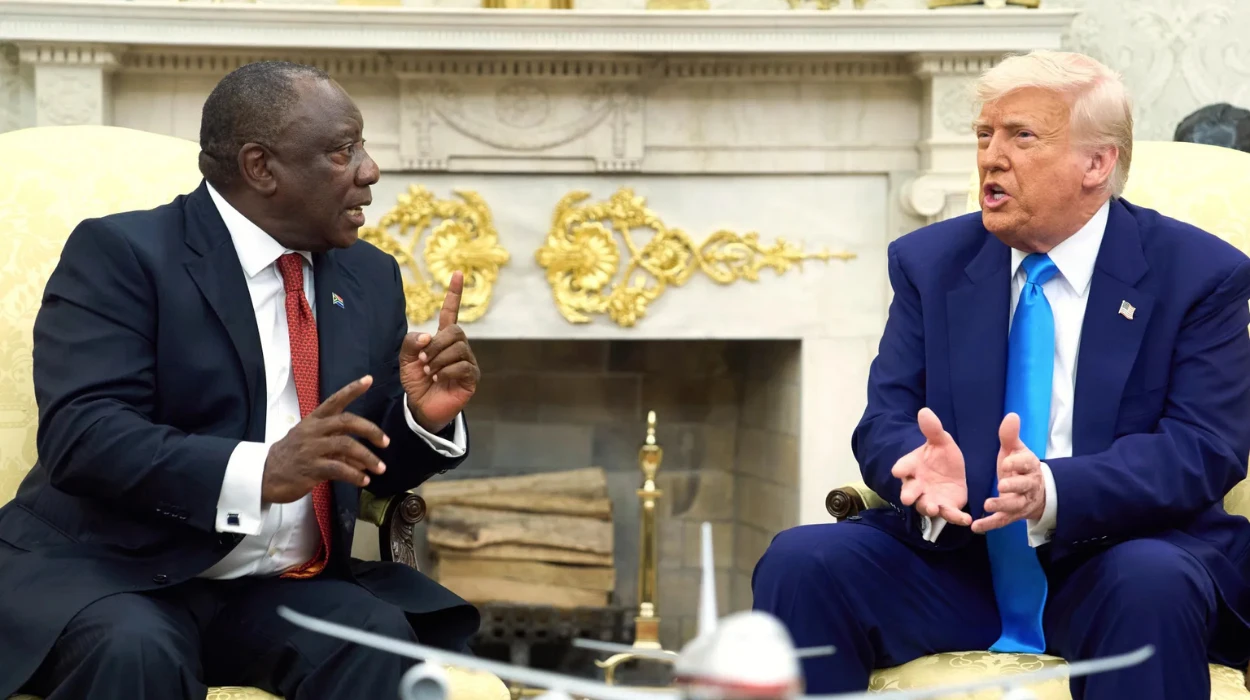
President Donald Trump publicly explained why the US had refused to be at the G20 Leaders Summit in Johannesburg. His description focused on the allegations that white people were being killed in South Africa, especially the white farmers who had Afrikaner ancestry. He also claimed that the seizure of farms was done arbitrarily and violently which made the situation seem like a serious human rights crisis. The words intensified old stories being pushed by sections of his political flanks and reflected the sharpening of the administration’s messages around global human rights abuse through the use of a selective prism.
The South African government came out strongly to disregard these accusations. President Cyril Ramaphosa explained the allegations as false and detrimental and he stressed that South Africa is under a constitutional democracy that has strict legal safeguards. His office emphasized that violent crime is a problem impacting all types of communities and contended that its presentation as a racial campaign of choice was a misrepresentation of both facts and circumstances. The administration also denied Trump the claim of a G20 ceremonial failure saying that the transfer of the G20 chairmanship was done in the right way with the U.S. diplomatic representatives present.
Disputed Evidence And Domestic Political Context
The statements of Trump brought back the arguments linked to accusations that are otherwise circulated within the political forums of the internet. Even in 2025, independent sources of South African civil society and academia had still not found any indications of a state-approved campaign of racial violence. The two countries observed that the use of the genocide of white farmers was a repeated element of some political discourses in the United States over several years, especially around the time of Trump’s elections. The 2025 announcement thus attracted attention in regard to the influence of domestic politics in U.S. foreign policy making.
Impact On South Africa’s Diplomatic Position
The government of Ramaphosa attempted to avoid the consequences in long-term diplomatic terms and stressed on the willingness of South Africa to engage on a constructive basis. However, the international conflict over the case put the nation in the middle of a geopolitical debate of human rights, sovereignty and international standards of governance. South African officials privately said they were worried that the framing of the United States could entrap the international audiences as well as damaging economic cooperation.
Diplomatic Consequences For The G20 And Global Governance
The U.S. boycott shook the plans of the 2025 G20 Summit, which is a forum, historically dependent on the involvement of powerhouse economies. This was missing when it came to topics of global debt restructuring, climate financing and sustainable development, where U.S. participation has historically had a particularly strong voice. Trump bashed the theme of the summit of diversity, equity, and inclusion declaring it as divisive and not in line with the American priorities. That was the description that solidified a larger change in the approach of Washington to multilateralism in 2025 to discriminatory engagement.
Policy Measures Intensifying Bilateral Strain
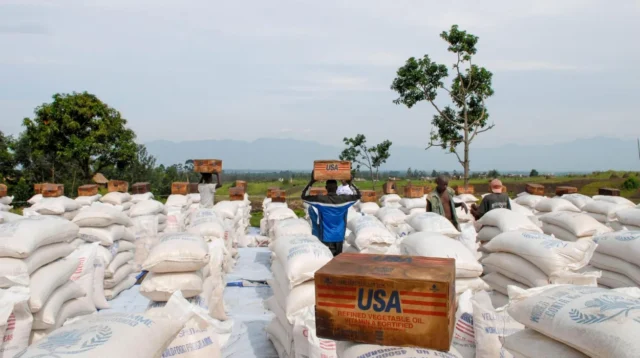
The boycott of G20 was not the only direct measure. The Trump administration shifted to suspend a range of U.S. aid initiatives existing in South Africa, such as health-sector aid with historical connections to PEPFAR. Also, refugee and humanitarian routes were shifted to focus on white South Africans who stated they were persecuted. Such steps were an indication of a re-definition of bilateral cooperation and one of the most controversial periods of the U.S. South Africa relations since the fall of apartheid.
Broader Implications For Global Cooperation
They noted that the failure of the United States to attend the summit was a source of concern to the governments that attended the summit because they felt that the effort to communicate economic policies in an intricate global arena was undermined. The diplomatic distance made the weakness of multilateral systems, when large members choose to go non-cooperative, obvious. Some representatives of G20 economies cited that the integration of the institution relied on expectable performances of major states, therefore, boycotting was an unfavorable precedent.
Regional And International Reactions Beyond The G20
The reaction of international observers to Trump concerning his excuse to pull out of the summit was based on criticism. The European and Asian governments described the decision as disproportional and founded on disputed information. The civil society in South Africa asserted that Trump was creating racial tensions and distorting domestic issues.
The Narrative Of Targeted Violence And Its Reception
Scientists of the South African research centers repeated that the problem of violence in rural territories is severe yet pointed at the fact that the trend of crimes indicates multi-racial victimization. Historians and analysts observed that it was not in line with empirical judgments to refer to the situation as a genocide. However, the framing that Trump used appealed to certain political groups within the United States, in which there is a polarized connection between foreign politics and national political communications.
Intersection With Other Geopolitical Disputes
The diplomatic confrontation took place within the context of larger opposition between the United States and South Africa. Pretoria has been advocating at the International Court of Justice over the Israel-Palestine dispute and this aspect attracted the wrath of Washington earlier in the year as part of a complex dispute on global policy fronts as well as ideological differences. These similar scandals further worsened the tension in bilateral relations and affected the understanding of the G20 boycott.
The Future Of US–South Africa Relations And The G20 Landscape
The announcement made by Trump according to which South Africa was not to be invited to the 2026 G20 Summit in Miami increased the fears regarding the long-term perspective of cooperation. The move to exclude a member state to the forum is an uncharacteristic move in the international relations arena as it casts doubt on the stability of the G20 as geopolitical fragmentation is on the rise.
Risks To Economic And Security Collaboration
The worsening of the relations is not just about the symbolic diplomacy. South Africa has been a key partner in the U.S. development agendas and regional security consultations. Increased non-cooperation may affect the public health coordination, trade talks, and stability in the region in general in southern Africa. Analysts state that the episode emphasizes the fact that even fast political actions can influence international relations with long-lasting impacts.
Potential Paths Toward Diplomatic Adjustment
Though the exchange between the citizens has been controversial, both governments are bound together on viable spheres of collaboration that need continuous interaction. The diplomatic channels are still operating on working levels but no one is sure whether the dialogue on a higher level could ever be restored. The situation in Africa is closely monitored by regional institutions as it is known that the dispute can redefine the larger trends of the U.S. engagement in Africa.
Emerging Questions About The Role Of Domestic Politics In Foreign Policy
The G20 boycott scandal of 2025 indicates the growing intersection of domestic politics and international politics. The personal pronouncements of Trump which are based on the concept of defending a particular community in a foreign country have created controversy over the communication of the foreign policy to the home audience and the role played by political identity in the international domain when it comes to positioning. Another aspect of the episode that comes into light is the fact that disputed claims might lead to the major consequences of diplomacy when magnified by the presidential level.
As the United States prepares to host the next G20 gathering, global attention remains fixed on how the dispute will shape patterns of participation and dialogue. The ramifications of the boycott continue to reverberate, leaving governments and analysts examining how shifting political dynamics may redefine alliances, challenge established norms, and influence the structure of global cooperation in the years ahead.