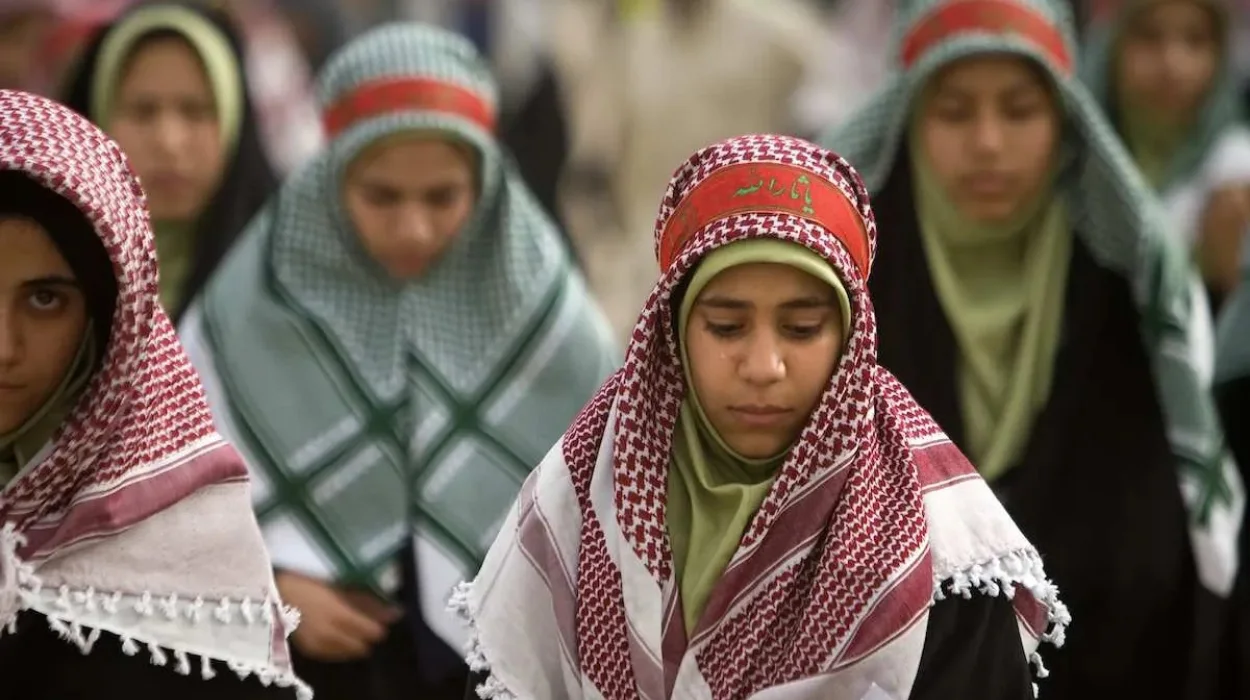
The geopolitical landscape of 2026 has been fundamentally reshaped by the rapid escalation of Iran’s War, a conflict that has transcended regional borders to become a primary driver of global displacement. Following the precision strikes on Iranian nuclear infrastructure in early 2026, the subsequent retaliatory cycles have triggered a humanitarian exodus of unprecedented proportions. With over 330,000 individuals already displaced across Iran and Lebanon, the structural integrity of international asylum systems is facing its most rigorous test since the mid-2010s.
The Iranian officials have verified that close to 800 individuals have died since the start of the hostilities but the more amazing number is the movement of people. During the first days of the aerial operation, about 100,000 inhabitants left Tehran, which indicated the breakdown of the stability of the city. To an analyst watching these trends, this trend indicates a wholesale destruction affecting 10 percent of the Iranian population of 90 million, generating a refugee crisis that could in a fraction of the prior 10-year Syrian migration rival the Syrian crisis of 1999.
Projecting the Scale of Iranian Civilian Displacement
The sheer amount of possible movement required by the War in Iran has even compelled international agencies to revise its models of maximum capacity. When the 10 million refugee projections are true, the international community is facing a demographic change that will mean that the current humanitarian logistical systems will be strained. The EU Agency on Asylum has observed that such flow would be the largest ever concentrated migration in modern history, more so given that it would be coupled with an already existing instability within the neighboring states.
Internal Vulnerabilities and Resource Strain
The most urgent issue of the frontline responders is internal displacement in Iran. Iranian Red Crescent has been cited saying that its internal resources run dry, in its bid to cope with the newly displaced as well as the 2.5 million refugees, who Iran accommodated before the war-mostly Afghans. The irony in a nation that was once a source of security in the past, now is turned into a sending nation, has created a gap in care where the 760,000 Afghans previously sought shelter in Iran are now being forced back into the Taliban-controlled lands or caught in the crossfire between the current escalation.
Regional Containment and Neighboring Pressures
The immediate outflow is currently being experienced by Iraq and Turkey, where Iraq hosts more than 340,000 refugees in its volatile eastern border. Turkey, which already hosts a legacy of 2.9 million Syrians, has strengthened its frontiers in order to ensure an ultimate invasion of its migration policies. The economic repercussions of the conflict add to this strain in the area because interrupted energy supply via the Strait of Hormuz not only undervalues local currencies but also makes even the simplest supplies more expensive to the displaced people.
Western Policy Barriers and the Fortification of Borders
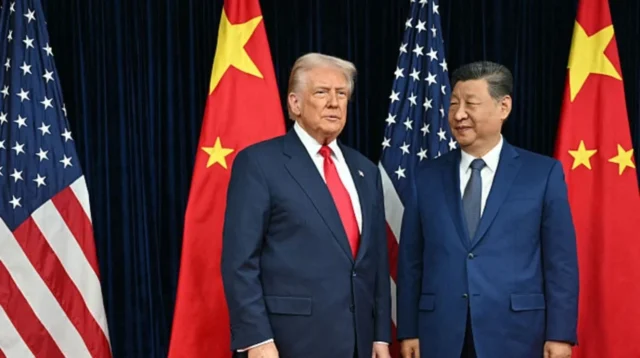
The humanitarian need is increasing whilst the political will of the West has changed the opposite way. Ever since the changes in American and European governance in 2025, the dominant approach has changed to that of resettlement into containment. Border fortification is no more a physical effort but a legislative effort with Western countries adopting stricter and stricter requirements of asylum that effectively reduces the victims of the war of Iran to security threats and not refugees.
Transatlantic Shifts in Asylum Governance
Using the policy lines set as of 2025, the United States has withdrawn its involvement as a humanitarian financier to a considerable extent. The administration has also indicated that it is not going to share responsibilities with the rest of the world by cutting UNHCR funding by half, to just 3.7 billion dollars. This economic contraction is accompanied by stricter visa regulations and a more liberal interpretation of the demands of national security that restricts the capacity of the Middle Eastern citizens to request legal entry, which places millions of people in legal and physical stalemate.
The European Union’s Externalization Strategy
Europe has been a reflection of this restrictive attitude by enforcing the EU Migration Pact that accentuates on the processing of asylum seekers in third countries instead of doing it in European soil. The EU wants to establish a so-called buffer zone that will keep the Iranian refugees off the Mediterranean by funding the EUR10 billion worth of external transactions with countries such as Turkey and Libya. This externalization approach demonstrates the extreme agreement of the member states who favour national stability above international treaty commitments to the right to take asylum.
Babar Baloch is an official in the UNHCR whose speeches regarding the rising number of civilian casualties and the lack of alternatives to those in the crossfire have been a common occurrence. Baloch has condensed the scenario as an imminent disaster in which the humanitarian space is narrowing at precisely the same time that it should be growing, pointing out that the lack of association between the magnitude of the War in Iran and the reaction to it is generating a protection gap that might cause mass casualties millions of people not on the front lines.
Regional Dilemmas and the Limits of Hospitality
The various neighboring states around Iran are to be put in a dilemma of being torn between their humanitarian instincts and the inner security need. Turkey has stationed strong military resources on its border with Iran, not to intervene in the war, but to facilitate the movement of people. These countries are literally functioning as the largest open-air holding countries in the world with the international assistance needed to maintain such a position standing still or deteriorating.
Infrastructure Collapse in Frontline States
In Lebanon where 700,000 are already displaced or homeless in the existing crises, the increment of 30,000 people in the emergency shelters is causing the national infrastructure to be at the brink of collapse. Armenia and Pakistan have also reported an increase in crossings of the border, the latter having a difficult time balancing the increase of Iranians with the deportation of Afghanistan nationals which it has continuously worked on. Such capacity constraints are not just logistical but are becoming more of a political nature in that the domestic population of host countries are responding to the perceived economic competition of refugees.
Security Narratives and Radicalization Fears
A significant barrier to Western aid is the prevailing narrative that large-scale migration from a conflict zone like Iran carries inherent radicalization risks. Analysts in Hungary and other Eastern European states have argued that militant elements could utilize refugee corridors to enter the Schengen Area. While these claims are often debated, they have successfully shifted the policy focus toward security screening and “extreme vetting,” which further slows the processing of legitimate humanitarian claims and leaves vulnerable families exposed to the elements.
The current trajectory of Iran’s War suggests that the international community is entering a period of prolonged instability where the traditional “open door” policies of the late 20th century are being replaced by high-tech surveillance and bilateral containment deals. As the number of displaced individuals approaches the 10-million mark, the global system faces a choice between a radical reinvention of humanitarian aid or the acceptance of a world where borders are defined more by exclusion than by law. The unfolding crisis in the Middle East may well be the catalyst that determines whether the concept of universal human rights can survive an era of total war and nationalistic retreat.
Would you like me to analyze the specific economic impact of these refugee flows on the Turkish and Iraqi markets for your next report?