Another key argument has been developed by Biomedical Extractivism as new U.S. health deals with African nations continue to grow faster. These bilateral alliances are also assured of a major ingredient of disease control programmes on HIV/AIDS, tuberculosis, malaria, emerging pathogens. Nevertheless, the form of a few of these agreements has raised the eyebrows of the African policy makers and the health specialists who are doubtful whether the partnerships are based on the idea of equal cooperation or unequal access to the biological assets.
In the mid-2020s, the United States proposed a new global health approach that put less focus on worldwide multilateral aid mechanisms and more on bilateral partnerships. Via memoranda of understanding that was negotiated with various African governments Washington promised to pay out billions of dollars in funding up to the close of the decade. Although the investments may enhance the health systems and disease surveillance, critics state that the contractual terms of pathogen sharing and accessing the information echo the trends that are becoming more visible as biomedical extractivism.
Financial commitments tied to domestic contributions
Most of the agreements include massive funding commitments as well as co-funding of the African governments. In a few instances, domestic resources amounting to hundreds of millions of dollars are supposed to be spent by national authorities to supplement foreign aid packages.
Health economists observe that the contribution can be a large part of health budgets in countries. Fiscally constrained governments should trade off opportunities of international partnership with threats of forfeiting available resources to other priority areas of public health.
Expanding data access requirements
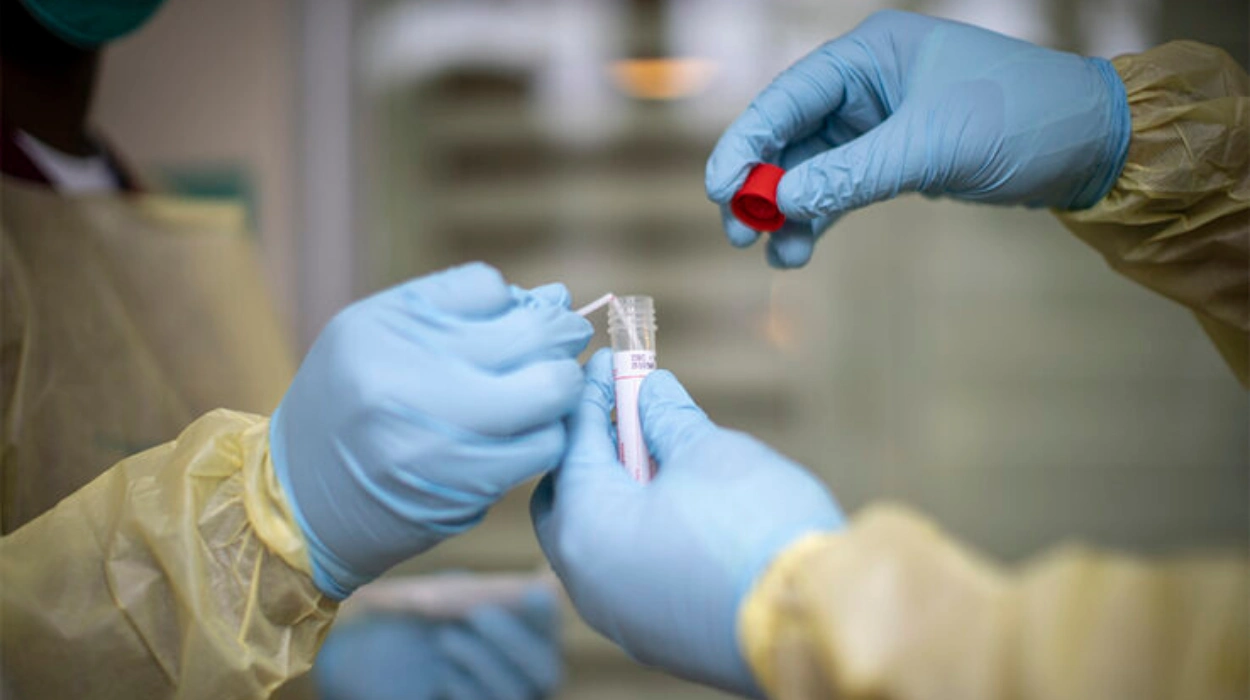
The other characteristic of the agreements is the need of countries involved to have quick access to epidemiological data and biological samples. These clauses will enable U.S. research facilities and biotech firms to analyze sample pathogens of the African outbreaks.
Health care professionals underline that worldwide collaboration in the process of tracking pathogen outbreak is crucial to the early stages of outbreak detection. Nevertheless, there is a concern that an agreement without obvious mechanisms ensures that the supplying countries will get to enjoy the fruits of vaccines, treatments, or intellectual property created using their biological resources.
Mechanics of bilateral health agreements reveal structural imbalances
The composition of such agreements is indicative of a change towards bilateral diplomacy in health governance at the global level. Governments are negotiating direct partnerships with individual states rather than mostly using multilateral organizations, like the World Health Organization.
The issues surrounding biomedical Extractivism have to do with the rights that these bilateral frameworks bestow over biological data and the commercial worth of the research.
Contractual terms favoring external research institutions
The legal scrutiny of various agreements shows that research institutions located in the rich nations tend to enjoy vast data on datasets and biological samples gathered under local health projects. When these materials have been transferred, they can be utilized in scientific research, vaccine production, and in pharmaceutical research.
According to the African policy analysts, this kind of arrangement has similarities with the previous models of resource extraction where raw materials were taken away and value addition done elsewhere. Under the biomedical setting, samples of pathogens can be used as a strategic asset that can create substantial intellectual property.
Limited provisions for technology transfer
One of the areas of disagreement is the fact that there are no binding commitments regarding technology transfer. Although the term cooperation and capacity building is often mentioned in partnership documents, they rarely include any binding provisions which assure local manufacturing rights or joint patents.
This has raised concerns whether the African research institutions will get a substantial hand in the future pharmaceutical innovation based on such partnerships.
Africa’s growing pushback against unequal data governance
The African health institutions, regional institutions have become more and more concerned about the consequences of biomedical extractivism in the long run. The officials underline that international collaboration in disease surveillance should not violate national sovereignty and should provide equal profits.
The controversy reached its heights in 2025, when the heads of the states discussed the aspects of safeguarding biological resources and continuing cooperation on the international level in regional health forums.
Africa cdc calls for equitable data frameworks
The Africa Centres for Disease Control and Prevention has been instrumental in determining the response in the continent. Director General Jean Kaseya came out publicly to appreciate the importance of international funding but emphasized that pathogen-sharing arrangements should have a provision of protection of national data ownership.
Kasey asserted that the biological resources of Africa would be strategic in coming up with vaccines in the future. He pointed out that alliances ought to ensure access to resultant technology instead of simply exporting samples to other countries.
Country-level resistance to certain agreements
Some governments too have indicated their unwillingness to accept the agreements which were seen to restrict them. In early 2026, Zimbabwe publicly declined one of the offered health partnerships, stating that it provided too much access to national biological data.
In Zambia, the draft proposals elicited controversy among the policymakers and the civil society groups. The critics cautioned that having a commitment agreement on health cooperation as well as mineral partnership would exert more pressure on national sovereignty.
Historical precedents shape current concerns about biomedical extractivism
The main issue of biomedical extractivism is highly determined by the past experience in world health research. Previous such health emergencies in the past as depicted by the various countries that provided biological data and the ones who derived the benefits of the ensuing medical advancements showed that there are vast disparities between these countries.
These precedents are still playing a role in creating a perception of fairness in new international agreements.
Lessons from the COVID-19 pandemic
The COVID-19 pandemic made it clear that global pathogen monitoring is of paramount importance. Global laboratories used genetic sequences and samples of various countries of the virus to come up with diagnostic tests and vaccines.
Nevertheless, African countries were lagging behind to receive vaccines after their introduction. Although the continent was also an important source of scientific information in the initial days of the pandemic, mass-vaccination was introduced much later than in the richer regions.
Debates over intellectual property and vaccine access
The asymmetry of the supply of vaccines to the pandemic provoked the global debate on the right to intellectual property, the capacity of pharmaceutical industries. Some African governments claimed that the absence of local production plants was a cause of slow access.
These experiences made the demands of enhanced protection of any future agreements in relation to biological data and research cooperation harder.
Strategic dimensions linking health diplomacy and geopolitics
The Biomedical Extractivism arguments also overlap with an international geopolitical rivalry amongst world powers. Health diplomacy has now emerged in a relevant manner as a means of creating an influence within the areas where economic and strategic aspects are intertwined.
These trends can be observed especially in the African continent where nations are negotiating alliances with various foreign powers.
Integration of health agreements with economic partnerships
Some health agreements are linked to broader economic cooperation initiatives. In certain cases, negotiations involving disease control programs occur alongside discussions about infrastructure investment, mineral supply chains, or technology partnerships.
These integrated arrangements illustrate how public health cooperation can become intertwined with geopolitical strategy.
Global competition for influence in public health
China, the European Union, and the United States have all expanded health-related partnerships across Africa in recent years. Each actor presents its approach as supportive of development and pandemic preparedness.
African policymakers increasingly seek to balance these relationships while ensuring that health cooperation aligns with national priorities and long-term scientific development.
Emerging frameworks for equitable global health collaboration
Despite tensions surrounding biomedical extractivism, many policymakers emphasize that international cooperation remains essential for managing global health threats. Infectious diseases cross borders quickly, making data sharing and collaborative research indispensable.
The challenge lies in designing agreements that combine scientific cooperation with fair distribution of benefits.
New global pathogen sharing initiatives
International organizations have begun developing new frameworks aimed at improving equity in pathogen-sharing agreements. Negotiations within the World Health Organization have focused on creating standardized benefit-sharing mechanisms linked to vaccine production and medical technology.
These initiatives gained momentum during 2025 discussions on pandemic preparedness treaties, reflecting lessons learned from recent global health crises.
Regional strategies for strengthening bargaining power
African regional institutions are also exploring collective negotiation strategies. By coordinating positions through the African Union and Africa CDC, governments hope to strengthen their ability to negotiate balanced partnerships with global powers.
Such coordination could ensure that biological resources are treated as strategic assets while still enabling international collaboration necessary for disease surveillance and research.
Biomedical Extractivism debates ultimately reflect a broader transformation in global health governance. As biotechnology advances increase the value of genetic data and pathogen samples, the question of who controls these resources becomes increasingly central to international politics. African governments now face the complex task of welcoming investment and scientific collaboration while safeguarding sovereignty over biological assets that may shape the future of medicine. The direction these negotiations take may influence not only regional health systems but also the structure of global cooperation in the next era of pandemic preparedness.