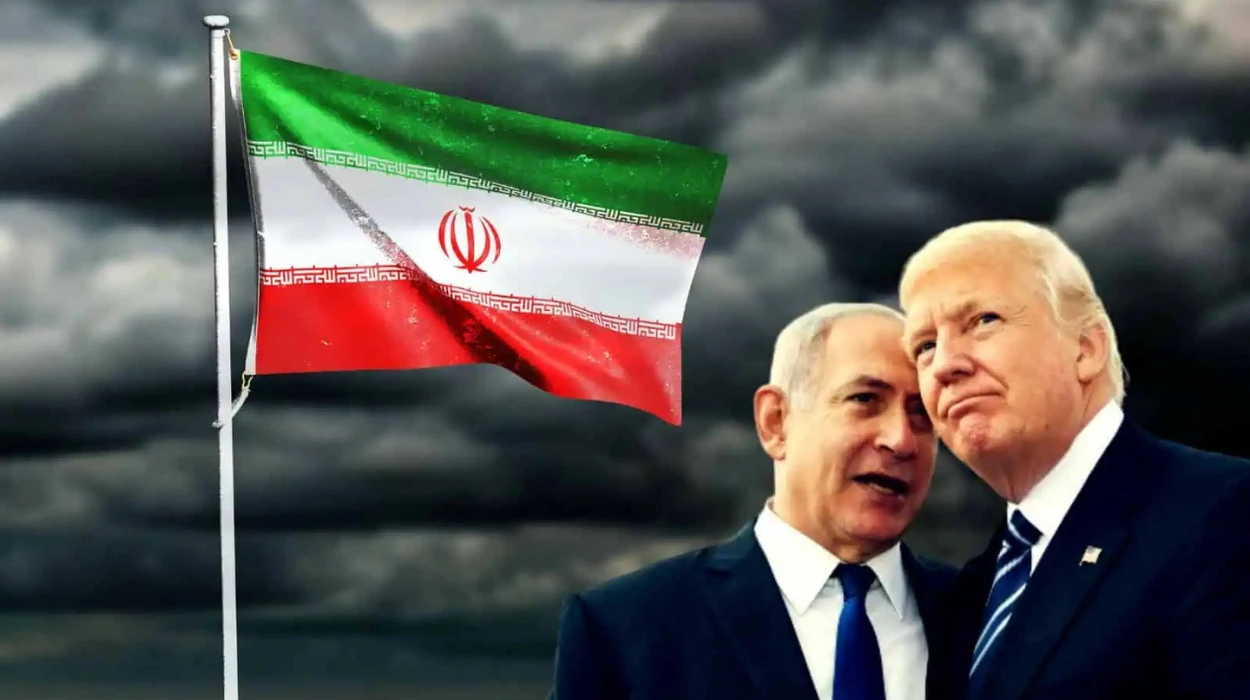
The Trump administration’s strategy for ending the Iran war in 2025 emphasizes a controlled withdrawal rather than total military dominance. Officials have indicated that President Trump is willing to conclude operations even if the Strait of Hormuz remains partially constrained, prioritizing operational and diplomatic objectives over immediate normalization of maritime traffic. Analysts note that forcing a full reopening could extend US involvement beyond the four-to-six-week window the administration projected, so defining success around leverage rather than infrastructure restoration represents a significant recalibration of US policy.
By decoupling the Strait’s status from the war’s endpoint, Washington is signaling that reducing Iran’s coercive capabilities and establishing a diplomatic framework now takes precedence. This shift has considerable symbolic and practical weight, given that roughly 17–20 million barrels of oil transit the Strait daily, representing a key portion of global seaborne trade.
Strategic rationale for a partial reopening
The administration views a gradual approach to reopening the Strait as a way to minimize the need for long-term US military presence while keeping Tehran engaged in negotiations. By leaving European and Gulf allies responsible for some security enforcement, Washington maintains influence without overcommitting resources. This allows the US to claim strategic success even if energy flows are not fully restored immediately, redefining how the end of conflict is measured in the Gulf region.
Historical significance of the Strait
The Strait of Hormuz has historically been treated as a core US security and economic interest. By not insisting on a complete reopening, Washington is signaling a recalibration of priorities, where degrading Iranian military capabilities and securing a diplomatic framework outweigh immediate economic considerations. This approach underscores a new philosophy in US foreign policy: measured risk and selective engagement instead of unconditional military objectives.
What the administration is prioritizing
Even as the exit plan unfolds, officials stress that military, economic, and diplomatic goals are intertwined. The administration’s focus extends beyond mere cessation of hostilities to encompass longer-term influence over Iran’s regional behavior, energy infrastructure, and compliance with international expectations.
Military effects and operational focus
Pentagon directives emphasize neutralizing Iran’s naval swarming tactics, missile sites, and asymmetric strike capabilities, all of which pose risks to Gulf shipping. US threats against energy infrastructure, including Kharg Island, signal to Iran that coercive tactics carry high costs. This military posture is designed to degrade Tehran’s leverage while leaving room for a negotiated resolution regarding the Strait.
Economic leverage and sanctions posture
Sanctions remain a key instrument of policy. Even as combat operations wind down, US officials expect European and Gulf allies to enforce compliance with export restrictions. This multi-layered approach allows Washington to retain influence over Iran’s economic behavior without assuming sole responsibility for the Strait’s security.
Diplomatic signaling and exit optics
The administration’s messaging frames the withdrawal as a controlled, strategic step rather than an abandonment of Gulf security. By linking war termination to operational and political gains, Trump’s team seeks to preserve credibility with allies and markets, emphasizing that diplomacy can complement military operations to secure regional stability.
The Strait’s evolving status and Iran’s calculus
The potential for a US exit without full Strait reopening changes Tehran’s strategic calculations. Iran can leverage its control over the waterway to extract concessions while emphasizing sovereignty and regional influence. Mixed signals from Washington—conditional tolerance of a partially open Strait alongside explicit threats to energy infrastructure—may encourage Iran to treat the Strait as a negotiating chip rather than an immediate objective.
Regional perspectives
Gulf states such as Saudi Arabia and the UAE are concerned that partial reopening could invite renewed coercion and undermine long-term security. European partners similarly worry about economic repercussions, particularly on oil markets. This creates a complex environment in which private insurers and commercial shippers often set operational baselines, reflecting the uncertainty surrounding the waterway’s status.
Iran’s strategic messaging
Tehran stresses negotiation and a broader security framework for the Strait, signaling that unilateral pressure from the US is insufficient. By treating the Strait as a bargaining tool, Iran positions itself to maintain leverage in post-conflict discussions while monitoring US willingness to enforce maritime security.
Diplomatic and economic knock‑ons
A loosely tied war exit carries broad implications. Insurance costs for shipping through the Gulf may remain elevated, and energy markets could see heightened volatility. Even partial constraints on the Strait affect global trade, requiring adjustments in sourcing, stockpiling, and routing strategies.
Global market impact
The risk of intermittent disruption could keep energy-price premiums high, influencing both short-term and long-term economic planning. Companies and governments may adopt new risk-mitigation strategies to hedge against uncertainty, reflecting the continuing importance of the Strait in global energy flows.
Long-term security architecture
The Strait’s status serves as a litmus test for post-war governance. If regional partners and European allies successfully implement phased reopening measures, the Gulf could witness a more multipolar security approach. Failure to stabilize the waterway, however, risks prolonging the security dilemma between Iran, its neighbors, and external powers, potentially inviting future crises.
As the 2025 exit strategy unfolds, the interplay of military leverage, diplomacy, and market stability will determine whether the Strait of Hormuz becomes a predictable artery for global trade or a persistent flashpoint. The success of Trump’s strategy may ultimately hinge less on immediate operational achievements and more on whether regional actors can shoulder long-term responsibility, reducing incentives to weaponize the Strait in future conflicts.