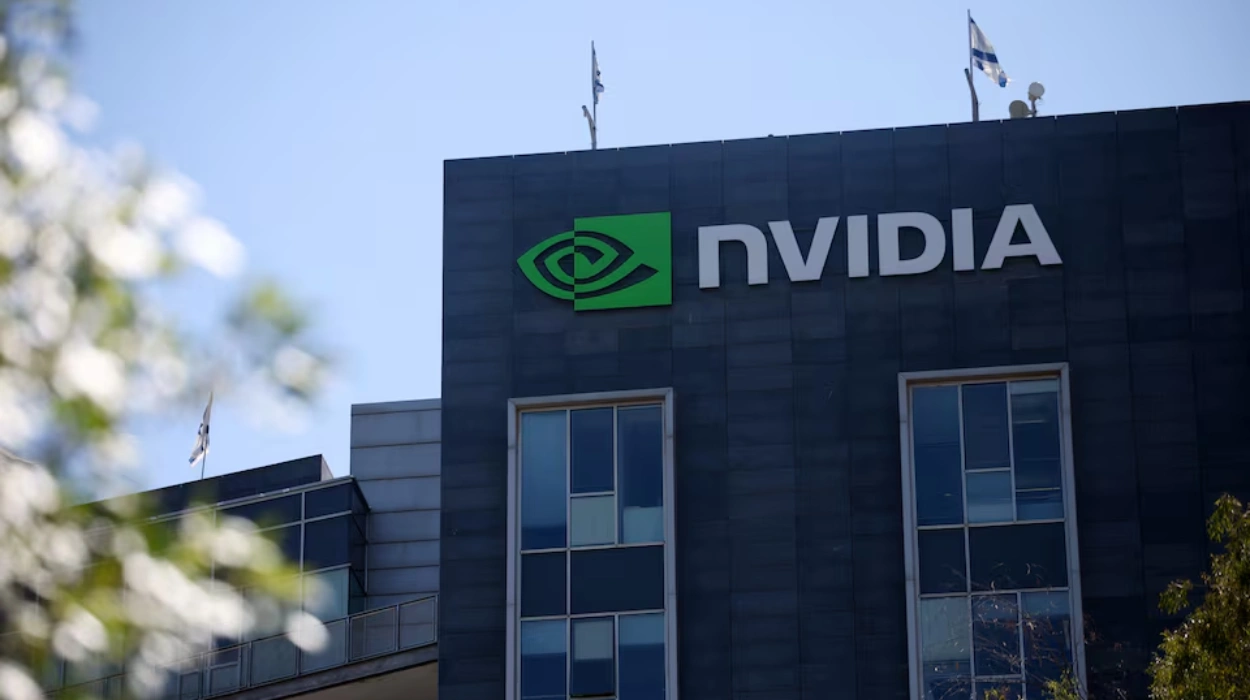
This is an unprecedented move by the tech firm in its strategy in Washington as Nvidia has recruited Bruce Andrews, a well-seasoned lobbyist, to take up the mantle of heading its government affairs in Washington D.C. According to LinkedIn, Andrews himself has confirmed the recruitment by the chipmaker, which has come amidst an increasingly complicated regulatory environment, increased tensions between the US and China on AI chips, and concerns about its market dominance worldwide.
Bruce Andrews had held the position of Chief Government Affairs Officer for the American multinational semiconductor company, Intel, during the time when the tech giant was under the leadership of then CEO Pat Gelsinger. This move by Nvidia could not have come at a better time when the government was increasingly looking into semiconductors and AI policies, among other pressing national issues.
This strategic hire reflects Nvidia’s recognition that technical innovation alone will not secure its future. In today’s geopolitical climate, corporate success in the semiconductor and AI sectors depends heavily on policy relationships, regulatory navigation, and government advocacy. Bruce Andrews represents exactly that intersection of experience, credibility, and access.
Bruce Andrews: A Lobbyist with Deep Government Roots
Andrews is more than a lobbyist because he has a wealth of experience in both public and private sectors of Washington, D.C. He was a Deputy Secretary of Commerce from 2014 to 2017 under the Obama administration, and he supervised the country’s trade and manufacturing strategies.
Andrews gained his experience working in the Senate Commerce Committee where he acquired knowledge on legislative processes, making it easy for him to communicate with members of Congress. His experience in the senate will help Nvidia in negotiating for its agenda in a highly divided congress.
Andrews also has extensive experience in the private sector where he worked for companies like Ford Motor Company and SoftBank Group. But his best work happened at Intel Corporation, where he helped to secure $7.8 billion for the corporation under the CHIPS Act as part of the company’s efforts in expanding its chip manufacturing capacity in America.
“I played a central role in securing $7.8 billion in CHIPS Act funding for Intel’s domestic chip manufacturing expansion,”
Andrews noted in a retrospective on his tenure at Intel, underscoring the tangible policy wins he delivered.
This achievement is particularly relevant to Nvidia, which is also a major beneficiary of the CHIPS and Science Act and is seeking to expand U.S. semiconductor production while maintaining its global supply chain flexibility.
The Role: Chief External Affairs Officer at Nvidia
Andrews has been promoted as Nvidia’s Chief External Affairs Officer, a new role which makes him the leader of Nvidia’s government affairs in Washington D.C. Andrews will be reporting to Nvidia’s General Counsel, Tim Teter, as a sign that the corporation understands the importance of combining legal and policy strategy.
This new role will involve working to build relationships with U.S. policymakers and promoting the creation of regulations that are favorable to Nvidia. As a result of this, Andrews has become an essential part of the organization, especially in today’s world in which technological regulations have become a critical issue of national security.
His hiring signals that Nvidia is investing heavily in its Washington presence. As artificial intelligence becomes more embedded in defense, healthcare, finance, and infrastructure, the regulatory stakes for companies like Nvidia are rising. Andrews’ experience in navigating federal bureaucracy and building cross-party relationships will be critical in helping Nvidia maintain its influence as the policy environment evolves.
Why Nvidia Made This Hire: The Political and Geopolitical Context
Bruce Andrews’ arrival at Nvidia is not accidental. It comes at a time when the company is facing multiple political and geopolitical challenges that require seasoned advocacy and strategic communication.
Escalating U.S.-China AI Chip Tensions
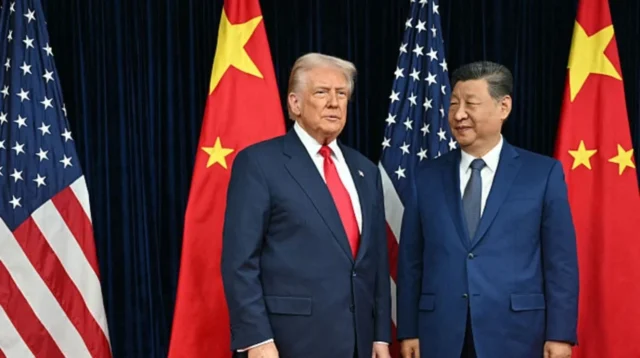
One of the most important challenges facing Nvidia is the US-China trade dispute over the export of AI chips. The US government has set very tight restrictions on the export of cutting-edge semiconductors into China. Yet Nvidia holds a strong presence in the Chinese market and has tried to convince the US government to relax some of its restrictions so that it could export less advanced AI chips.
“The hire comes as the chipmaker navigates growing scrutiny over AI and China,”
a source familiar with the matter stated, highlighting the timing and strategic importance of Andrews’ appointment.
Andrews’ experience in trade policy and his understanding of both U.S. and international regulatory frameworks will be critical in helping Nvidia navigate this sensitive area. His ability to communicate Nvidia’s position to policymakers while advocating for a balanced approach could help the company maintain its market presence in China without triggering further regulatory backlash.
Increasing AI and Semiconductor Regulation
Not only in China, but Nvidia is also facing an increasing amount of regulatory pressure from authorities in the United States and Europe. More governments are paying attention to the ethical and economic aspects of artificial intelligence and semiconductors are key players in these discussions. Privacy issues, transparency, and even the security of their supply chains now make the regulatory agenda longer.
Andrews’ experience within both the executive and legislative branch provides him with a valuable perspective of what goes into creating these policies and how the company can play its role in the process. Andrews’ efforts at Intel in executing the CHIPS and Science Act provide insight into how he can make the policy benefit the corporation.
Maintaining Influence in Washington
The market leadership that Nvidia enjoys in artificial intelligence accelerators and data center chip development has given it great significance in policymaking discussions for technology in Washington. However, market leadership is not without its disadvantages. As regulation becomes more concerned about market power, exports, and national security, it is vital that Nvidia maintains its influence within the policy process.
Andrews’ ability to network with political elites from both sides of the aisle will aid Nvidia’s efforts to retain its status as an influencer in Washington. The fact that the technology sector faces growing cynicism from Washington policymakers means that it is beneficial to have an experienced lobbyist working on behalf of Nvidia.
Andrews’ Statement and Vision for Nvidia
On June 11, 2026, Bruce Andrews officially confirmed his new role via a LinkedIn post, expressing his enthusiasm for joining Nvidia and contributing to its mission.
“I’m looking forward to helping NVIDIA lead the AI revolution and reach new breakthroughs for America and the world,”
Andrews wrote in his announcement.
What is important about the above quote is the way it focuses on the issue of national and international consequences as well. The above shows how well aware Andrews was of the fact that the success of Nvidia was not just in the interest of the company alone but that it would help the technological development that is beneficial for the rest of the world.
It seems that what Andrews had in mind when taking up his post in Nvidia was the opportunity to facilitate innovation without breaching the new regulatory requirements. It seems safe to assume that Andrews’ experience indicates that he will do everything possible in order to influence legislation before it gets adopted.
What This Hire Means for Nvidia’s Future
Nvidia’s hiring of Bruce Andrews represents not just a staffing move but an investment in the firm’s future by creating greater political resilience through strategic engagement. With Nvidia becoming ever more dominant in the world of AI chips, its connection to the government will be as crucial as its product road map.
Andrews’ success in securing CHIPS Act dollars for Intel means he is capable of delivering concrete value for his clients. Nvidia can expect to see similar gains from Andrews’ efforts as it works to gain better government relations, navigate export controls, and wield influence in Washington.
In the broader context, this hire also signals a shift in how technology companies view government affairs. It is no longer just a support function; it is a core strategic capability. Companies that invest in top-tier lobbying and policy expertise are better positioned to thrive in an era of increasing regulation and geopolitical complexity.
For Nvidia, Andrews’ arrival reinforces its commitment to being a responsible and influential player in the AI ecosystem. It shows that the company is willing to invest in the relationships and advocacy necessary to sustain its leadership position in the face of growing challenges.