Prime Minister of Italy, Giorgia Meloni, has delivered an unequivocal criticism of President of the United States, Donald Trump, who accused her of “begging” for a photograph with him at their most recent meeting. The situation took place just before the visit of Italy’s highest official, who was going to cancel his trip to America due to the existing disagreement between these two nations which have always had a stable relationship. It is stated in a statement of Meloni’s office that the allegation was not only inappropriate, but also insulting to the sovereign pride of Italy.
“The claim that I ‘begged’ for a photo is false and undermines the dignity of Italy and its government,”
said Giorgia Meloni, addressing journalists in Rome.
The above statement is among the most outspoken remarks that Meloni has made since Trump resumed his presidency in January 2025. For many years now, both men were considered to be allies who would often shower each other with compliments when addressing each other in public platforms.
The Photo Incident: What Actually Happened?
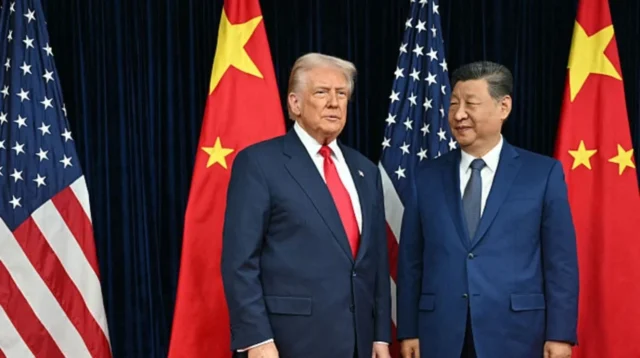
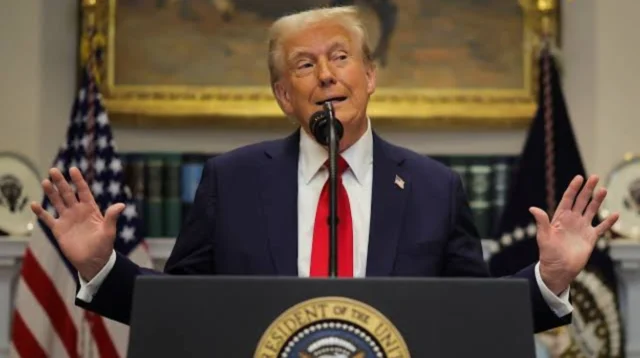
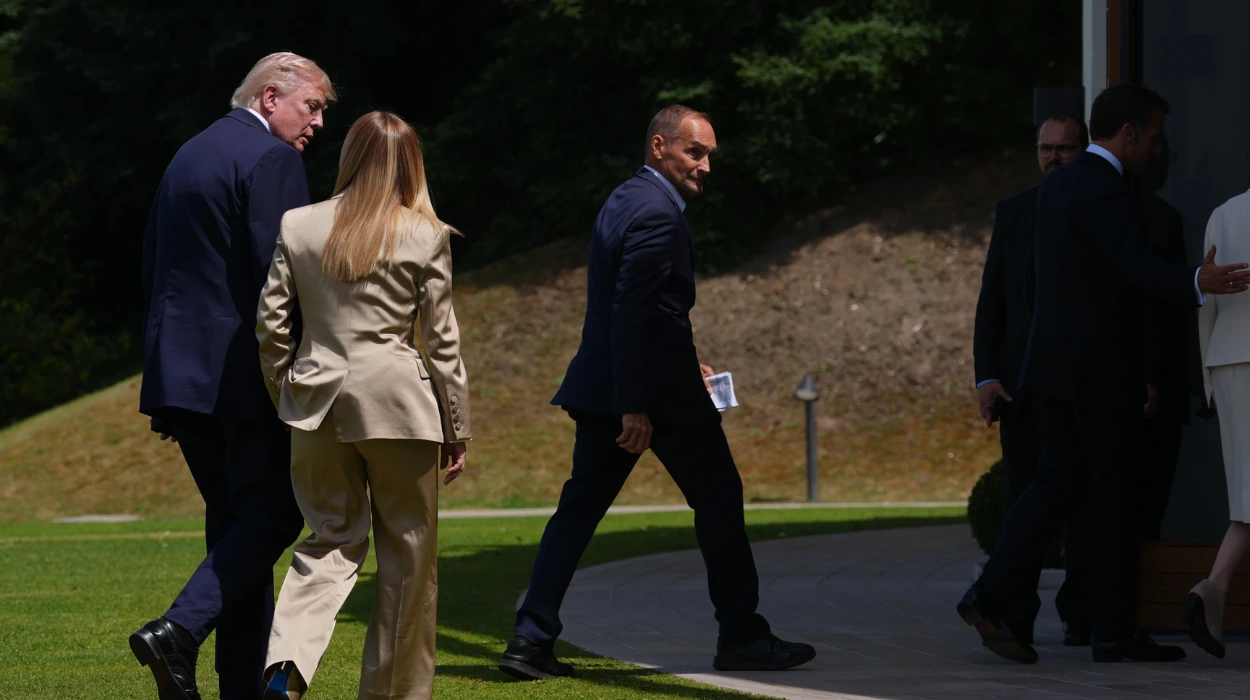
This debate arises from an image that has been widely shared, which shows Meloni standing next to Trump at a speech given by Trump at a NATO conference in late 2025. In the image, media commentators suggest that Meloni is standing very close to Trump, and they claim that her body language suggests that she is eager or humble. However, Trump later went on record at a campaign rally claiming that Meloni had begged to be pictured with him because she adored his leadership style. The Italian government refutes this story. They claim that the image was merely a routine part of protocol for any leader visiting an international conference.
“Photographs at international events are diplomatic protocol, not personal favors. This was a routine moment, not a plea,”
stated an Italian government spokesperson, defending Meloni’s position.
Social media users quickly amplified the incident, with memes and commentary dividing between those who supported Trump’s interpretation and those who viewed it as a mischaracterization. The viral nature of the photo intensified pressure on both governments to clarify the situation.
Italy’s Top Diplomat Cancels U.S. Trip
Within days of his remarks, Italy’s foreign minister Antonio Tajani canceled his visit to Washington DC. The purpose of the visit was to discuss issues relating to trade, security cooperation, and the role of Europe in global geopolitics. No official explanation was provided regarding the cancellation; however, Italian media sources suggested that Tajani’s decision was due to the president’s comments regarding Meloni.
The Italian Ministry of Foreign Affairs released a brief statement confirming the decision, citing “revised diplomatic priorities” and “shifting schedules.” However, the timing has led many analysts to believe the cancellation was politically motivated.
“The cancellation reflects a recalibration of our diplomatic engagement, not a breakdown in relations,”
said Tajani in a press briefing in Rome.
U.S. State Department officials refused to comment on the possibility that the visit was canceled due to the comments of Trump. Nevertheless, there have been concerns from some American diplomats that the case may affect the relations at the working level between the two countries in NATO cooperation and security of the Mediterranean region.
Meloni and Trump: From Allies to Adversaries?
Both Giorgia Meloni and Donald Trump were viewed as political friends. The two have come to power via populist parties that have emphasized themes such as sovereignty and the protection of borders against the establishment. The two presidents had a good relationship especially when Trump was in his first presidency and after he was re-elected in 2024. In recent months, however, a gap has formed due to the fact that Meloni has been siding with the EU stance on trade, climate change, and Ukraine.
“Italy will always stand with its allies, but never at the expense of our sovereignty or European unity,”
Meloni stated during a parliamentary address in early 2026.
Trump, in turn, has criticized European leaders for not supporting U.S. interests more aggressively. His remarks about Meloni may be part of a broader strategy to pressure European allies into conforming to American priorities.
Diplomatic Stakes and Strategic Implications
The fallout from this incident extends beyond a personal dispute between two leaders. It raises questions about the future of U.S.-Italy relations and the broader transatlantic alliance. Italy, as a key NATO member and EU power, plays a crucial role in European security, Mediterranean stability, and energy policy. A deterioration in U.S.-Italy ties could have ripple effects across the region.
Key Areas of Concern:
- NATO Coordination: Italy has been a steadfast NATO member, contributing troops and resources to global missions. Any diplomatic friction could impact joint operations.
- Trade and Investment: The U.S. and Italy have strong economic ties, with billions in annual trade. Political tensions could disrupt business negotiations.
- Ukraine and Global Security: Both nations support Ukraine, but differ on strategy. Meloni favors EU-led diplomacy, while Trump prefers unilateral leverage.
- Energy and Climate: Italy is pursuing green energy initiatives aligned with EU goals, while Trump has questioned climate agreements.
“Diplomatic relations are not about personal approvals. They are about strategic interests and shared values,” said a senior EU diplomat in Brussels.
Public Reaction and Media Narratives
The event is causing heated arguments both in the press and on social media. In Italy, most people have sided with Meloni because Trump’s words were an insult to their nation. The Italian press has written articles condemning the incident, such as “Trump Betrays the Sovereignty of Italy” and “Meloni Defends the Rights of Italy Against US Interference.” The opinions in America are mixed. The conservatives have defended Trump for saying the truth about politics in the country. The liberals, on the other hand, have condemned the president for being rude.
“This is not just about a photo. It’s about respect between nations,”
wrote a prominent Italian journalist in La Repubblica.
Social media platforms have amplified the controversy, with hashtags like #MeloniVsTrump and #PhotoBegging trending globally. The viral nature of the image has turned it into a symbol of diplomatic tension, with memes and satirical content flooding platforms like Twitter, Facebook, and Instagram.
What Comes Next? Diplomatic Pathways Forward
As of now, both governments are maintaining a cautious silence. The Italian side has not issued further public statements, while U.S. officials have declined to comment on the matter. However, diplomatic channels remain open, with both sides likely seeking to avoid a full-scale rift.
Possible Scenarios:
- Quiet Diplomacy: Both nations may engage in private talks to resolve the issue without further public escalation.
- Symbolic Repair: A joint statement or photo opportunity could be used to signal reconciliation.
- Continued Friction: If tensions persist, future diplomatic engagements may become more formal and less collaborative.
- Strategic Realignment: Italy may seek stronger ties with EU and non-U.S. allies to balance American influence.
“Diplomacy is about managing disagreements without breaking relationships,” said a former U.S. ambassador to Italy.
Analysts suggest that both leaders will likely prioritize strategic interests over personal grievances. For Meloni, maintaining Italy’s role in NATO and the EU remains critical. For Trump, preserving U.S. influence in Europe is a key geopolitical goal.
A Test of Transatlantic Resolve
The controversy over Meloni’s alleged “begging” for a photo is more than a personal dispute—it is a test of the resilience of the U.S.-Italy alliance. As both nations navigate complex global challenges, from Ukraine to energy security, the ability to manage diplomatic friction will be crucial. Meloni’s firm response signals Italy’s commitment to sovereignty and dignity, while Trump’s remarks reflect his unconventional approach to international relations. The cancellation of the Italian diplomat’s trip adds another layer of uncertainty, but it does not necessarily mark a breakdown in ties.
“History will judge us not by our disagreements, but by how we resolve them,”
Meloni concluded in her Rome address.
As the world watches, the outcome of this diplomatic clash will shape the future of transatlantic cooperation in the years to come. For now, both sides appear to be holding firm, waiting for the next move in this high-stakes diplomatic game.