In the final hours before Israel’s parliament voted to dissolve itself, Prime Minister Benjamin Netanyahu orchestrated a rapid legislative blitz that has redrawn core aspects of the country’s political and institutional landscape. The sequence of measures, passed at speed and amid mounting controversy, effectively delivers concrete benefits to his most important coalition partners just as the country heads toward a pivotal October 27 election. At the center of this drama is the perception, shared widely among critics and commentators, that
“Netanyahu buys political loyalty with controversial legislation ahead of election”
by trading far‑reaching legal concessions for short‑term political security.
The decision by the Knesset to dissolve itself, which was said to have passed by a margin of about 62 coalition votes against zero votes from the opposition, formally kicked off the electoral campaign in Israel, but the period prior to this decision is what needs more attention now. It is during this period that the ruling coalition passed legislation affecting issues such as conscription in the army among ultra-orthodox Jews, increased government control over broadcasting, and changes in party funding. The combination of all these actions raises old controversies about equal sharing of burdens, freedom of the media, and Israel’s democracy.
Dissolution of the Knesset: managing the timing and terrain of the election
The decision to dissolve the Knesset and call elections for October 27 has been framed by Netanyahu and his allies as an unavoidable political development in a fragmented parliament. Yet the timing and manner of the dissolution reveal a calculated approach to controlling the terrain on which the election will be fought. By attaching the dispersal motion to a party financing bill, the coalition ensured that changes to campaign funding rules were locked in at the very moment parliament ceased to function, leaving the opposition with a stark choice: vote against the package and be seen as obstructing an election, or accept financing rules they consider skewed.
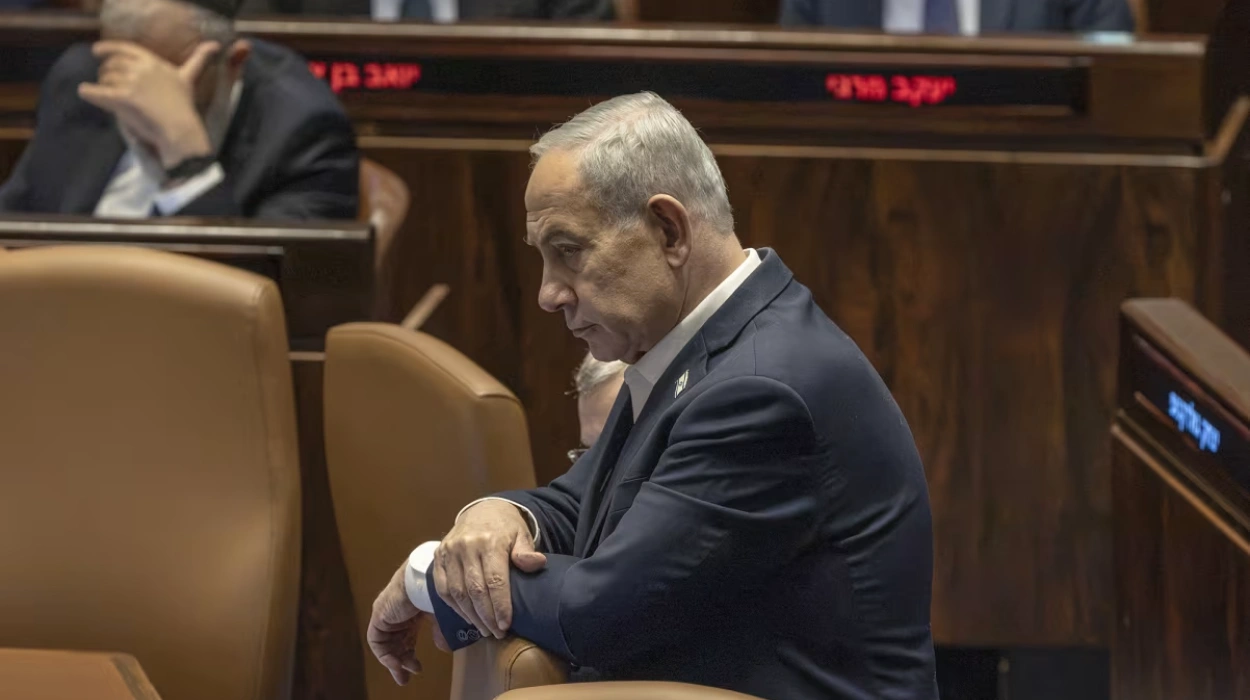
Netanyahu himself was part of the vote that decided to dissolve the government after leading what has come to be known as the “last legislative rush” in the outgoing Knesset. This enabled his government to get some important things sorted out with the coalition parties prior to shutting up shop formally. This meant that controversial laws were passed without much discussion since the opposition was busy considering the election and whether to unseat the present government at the polls.
For observers, this choreography underscores a familiar pattern: Netanyahu uses procedural levers and deadline pressure not merely to survive, but to shape electoral conditions. The October vote will therefore not occur on neutral terrain. It will be fought in a context where ultra‑Orthodox exemptions are fortified, media oversight has tilted closer to government hands, and party financing reflects the preferences of the incumbents rather than a negotiated consensus.
The Haredi draft law: trading equality of burden for coalition certainty
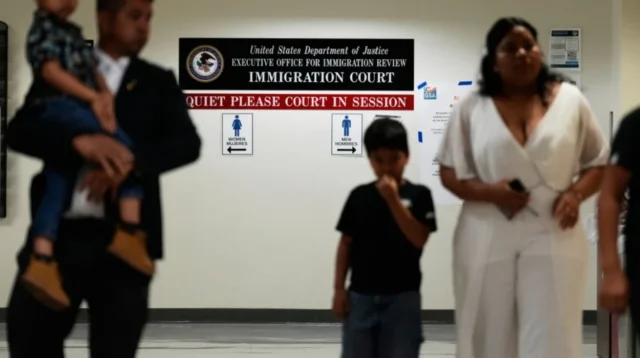
The crux of the problem is in a bill which bans the detention of ultra-Orthodox (Haredi) draft dodgers, thereby endorsing an existing practice of mass non-enlistment of Haredi yeshiva students. Conscription has long been the touchiest topic in Israeli internal politics; ultra-Orthodox political parties have been advocating their right to continue receiving military-service exemptions while secular Israelis and people from the Israeli security community have been calling for an equal division of military service burden. With his latest law, Netanyahu is shifting the balance in favor of the Haredi side decisively. By prohibiting the detention of draft dodgers from the ultra-Orthodox sectors, the law goes beyond the toleration stage and reaches the stage of the official acknowledgment of a different standard of military service obligation. This is a huge political bonus to Shas and United Torah Judaism, two parties whose voter base sees a military service as threatening to their religious way of life.
It is precisely this sort of concession that feeds the narrative that
“Netanyahu buys political loyalty with controversial legislation ahead of election”,
converting legislative power into a currency of coalition maintenance.
The backlash has been sharp. Petitions have already been filed to Israel’s High Court of Justice, challenging the law on grounds of equality and constitutional norms. A deputy minister resigned in protest, signaling that unease over the measure runs not only through the opposition but also within parts of the governing camp. Opposition figures and commentators have branded Netanyahu a leader willing to weaken the social contract for the sake of staying in office, with one criticism encapsulating the mood:
“He is sacrificing the principle of shared burden to secure Haredi votes,”
an opposition lawmaker argued, framing the law as a betrayal of secular and traditional Israelis who serve in uniform.
Beyond the immediate legal challenge, the law may deepen social rifts. Secular conscripts, reservists, and their families already feel the strain of repeated mobilizations in an environment of persistent security threats. To see one large segment of society not only continue to avoid service but enjoy strengthened legal protection could inflame resentments and feed narratives of unfairness that will inevitably shape the tone of the election campaign.
Broadcasting overhaul: media freedom under government shadow
Alongside the draft bill pertaining to Haredi conscription into the army, the coalition promoted and enacted a wide-ranging reform of broadcasting regulations in Israel, led by the Communications Minister Shlomo Karhi from Likud, with the backing of Netanyahu. The law increases governmental regulation of public and private broadcasters, changes the license structures, and modifies the regulatory regime applicable to Israel’s audio-visual media. Proponents claim that it corrects the longstanding pro-left bias that exists in Israeli public broadcasting; opponents regard it as a clear attack on media independence.
The vote was close, apparently passing by around 53-48. It nonetheless shows Netanyahu’s ability to ensure discipline among his coalition members when it comes to issues pertaining to structuring of the way news and politics are transmitted to the public. For a politician who is heading into yet another critical election, such a temptation is understandable.
Press freedom advocates and legal analysts have expressed grave concern. One critic described the reform as completing a project of partisan capture of the media, saying
“This is about creating a broadcasting sector that fears government displeasure,”
in a warning that goes to the heart of democratic norms. By enhancing political control over public broadcasting appointments and regulatory decisions, the reform may chill investigative reporting and discourage aggressive scrutiny of those in power, especially during the campaign period.
The symbolism here matters as much as the technical details. In many democracies, moves to increase executive influence over media regulators or public broadcasters often accompany broader efforts to weaken institutional constraints. Netanyahu’s government has already faced mass protests over its judicial overhaul agenda. The broadcasting reform will be seen in that context, as another step in a wider process by which checks on the executive are diluted while loyal partners are rewarded.
Party financing and campaign infrastructure: securing material advantages
The tying of the Knesset’s dissolution to the bill regarding financing of parties raises additional controversy. Financing regulations, despite being less controversial than the draft on the Haredi exemption or broadcasting reforms, hold substantial consequences concerning how the campaign is to be waged and what parties will have enough funds to compete. Through setting up such a regulation system in favor of already existing parties and institutions, the government coalition has guaranteed itself the benefit from the present power structure. The opposition insists that the move has blocked any possibility of discussing these regulations independently. Voting against the draft could mean opposing the dissolution and taking the blame for holding together the unworkable parliament, while voting in favor meant approving something they found unacceptable. Thus, the coalition was able to get two advantages at once – an early election on favorable conditions, and the financial system ensuring the power of Netanyahu’s cronies.
For a leader adept at turning procedural levers into political weapons, this is a familiar move. It is consistent with the broader picture in which
“Netanyahu buys political loyalty with controversial legislation ahead of election”
not only through ideological concessions, such as the Haredi draft law, but also through practical tools—money, media access, and legal guarantees. Political parties are more likely to remain loyal when their survival and organizational capacity are directly tied to the current configuration of power.
Democratic norms and institutional strain
Collectively, these new legislation highlights fears of democratic erosion and strain on Israel. It reflects a trend in which judicial independence is undermined through constant reform efforts, equality of burden is threatened because of preference shown to one religion against others, and freedom of media is undermined by increasing government control. The process of democracy – elections, vote of Parliament, and legislation processes – continues as before, but the spirit of democracy seems to be at stake.
Civil society organizations and legal experts are preparing to challenge several of these measures in court, especially the Haredi draft law and elements of the broadcasting reform. Their argument is simple: certain majority decisions, however procedurally valid, may violate constitutional principles and rights that stand above transient political bargains. One legal scholar warned that
“We are approaching a point where core rights are negotiated away in coalition talks,”
indicating a belief that structural protections are being replaced by transactional politics.
Within the coalition itself, the resignation of a deputy minister over the draft law shows that the cost of maintaining unity is rising. It suggests that some members are uncomfortable with the trade‑offs being made, but that the leadership considers the benefits—in Haredi support, media leverage, and financial security—worth the risk of internal dissent. The question looming over the October election is whether voters, especially in the center and moderate right, share that assessment or will recoil from what they see as an overreach.
International and regional implications
Internationally, Netanyahu’s legislative strategy will be read in light of broader concerns about the state of democracy in Israel. Western governments and human rights organizations have already reacted critically to earlier judicial overhaul efforts. Many of the same actors warn that increased political control over the media and entrenched inequality in conscription obligations are hallmark features of illiberal trends in other countries. The perception that
“Netanyahu buys political loyalty with controversial legislation ahead of election”
will inform diplomatic commentary and may feature in reports by global watchdogs.
In regional terms, the new elections add another element of uncertainty regarding the future policies of Israel, from dealing with security crises to the way in which it interacts with other countries in the region and international organizations. While the short-term effects of the law regulating the drafting of Haredim will be purely internal, its long-term effects involve military manpower and preparedness, concerns that go beyond the borders of Israel and are relevant for the whole region. The reform of the broadcast regulation system might also influence the manner in which Israeli policy issues are debated domestically, thereby influencing the tone of debates at the foreign policy level.
However, there is one thing that will not escape the attention of foreign observers – in spite of all of the cycles of political turbulence and of highly contentious legislative efforts, Netanyahu still manages to maneuver in the complex political landscape of Israel, holding on to sufficient supporters through a combination of incentives and concessions.