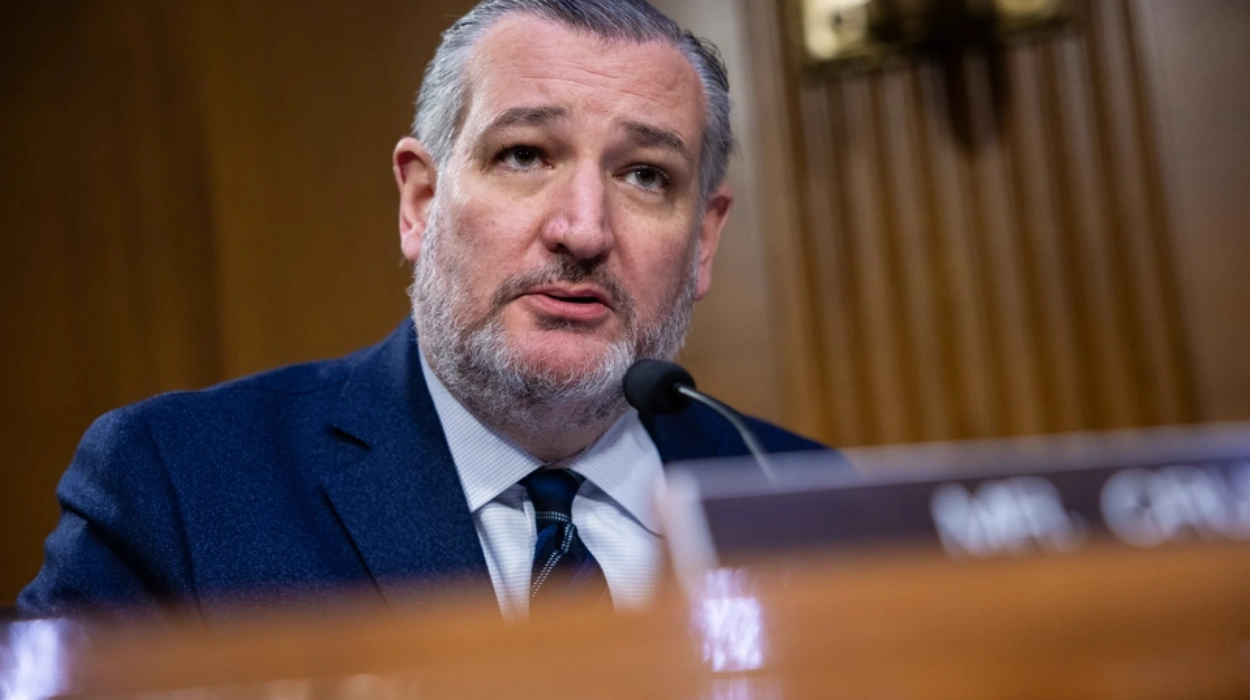
Efforts to pass legislation governing the nation’s $19 billion college sports industry are teetering amid a fierce lobbying fight over media rights and antitrust protections. The Protect College Sports Act of 2026 (PCSA), a bipartisan Senate bill introduced by Sens. Ted Cruz (R‑TX) and Maria Cantwell (D‑WA), promises the first comprehensive federal framework for college athletics in decades, but it has stalled short of a full Senate floor vote as the SEC and Big Ten conferences mobilize against key provisions. Lawmakers describe the measure as essential to replacing a patchwork of state laws and court‑driven changes with a single national rulebook, yet the bill’s fate hinges on whether Congress can satisfy the economic and governance demands of the two most powerful conferences in college sports.
The Stakes: $19 Billion Industry, One Framework
The PCSA aims at an industry valued at about $19 billion per year, from broadcasting/streaming rights to tickets and sponsorships, as well as the growing name/image/likeness (NIL) payment sector. It has been claimed that without federal legislation, college sports will continue being divided due to conflicting state NIL laws and susceptible to repeated antitrust lawsuits in light of the Supreme Court’s ruling in NCAA v. Alston in 2021 and the House v. NCAA settlement in 2024. The essence of this piece of legislation lies in its guarantee of stability through established maximum revenue sharing and transfer rules.
Antitrust Shield: The Bill’s Most Controversial Trade‑Off
The key to the lobbying debate revolves around the granting of the NCAA and major conferences limited antitrust exemptions from the PCSA. The bill gives the NCAA and an envisioned College Sports Commission immunity from Sherman Act attacks to enforce restraints related to compensation limits, revenue sharing, transfers, tampering, and agent behavior. In return, the bill enshrines the revenue-sharing structure from the House compromise agreement and provides player protections such as scholarship guarantee, expanded medical insurance, and ombudsman protection. Proponents say that this is essential to overcome the “antitrust obstacle course” that has paralyzing governance; opponents, among them several athletes’ rights organizations, claim that the NCAA gets legal immunity without any form of collective bargaining and athlete involvement in the imposed restrictions.
Media Rights Pooling: The SEC and Big Ten’s Red Line
Equally contentious is the PCSA’s provision to amend the Sports Broadcasting Act of 1961, enabling schools and conferences to jointly pool and sell intercollegiate media rights—but only if at least 75% of FBS schools opt in and meet governance and revenue‑distribution conditions. Proponents, including the ACC and Big 12, argue that pooling would spread streaming revenue more evenly and help schools absorb new athlete‑pay costs, potentially stabilizing the financial model for non‑Power‑4 programs. The SEC and Big Ten, however, view pooling as a threat to their negotiating leverage and have pressed for explicit language making participation voluntary while resisting any mechanism that could dilute their share of future TV deals. Their opposition has forced lawmakers to revise conference‑expansion and media‑rights language repeatedly, with senators warning that the bill cannot succeed without the two conferences’ buy‑in.
Transfer Rules, Eligibility, and the “Lane Kiffin Rule”
Additionally, the PCSA creates a national model for transfer and eligibility rules. Athletes would have one penalty-free transfer allowed to them; a second would result in a one-year ban on eligibility unless the sport ended, the head coach left, there was an instance of sexual assault or harassment, or if they pursued graduate studies. Furthermore, the bill sets out a clock for five calendar years starting from the occurrence of the first event (i.e. 19th birthday, high school graduation, or the start of full-time enrollment), including time off for pregnancy, religious work, or military service. Under a section nicknamed the “Lane Kiffin Rule,” head coaches at the FBS level are prohibited from making the jump to another FBS head coaching position during the same competitive season; violations result in the individual being ineligible until the end of the later of the two seasons.
NIL, Agents, and Scholarship Protections
The PCSA enshrines athletes’ right to earn NIL compensation while imposing disclosure and fair‑market‑value tests on deals above $600 to deter improper inducements. It also caps agent fees at 5% of endorsement value, prohibits contracts extending beyond eligibility, and requires associations to maintain a searchable agent registry with decertification powers for violators. On scholarships, the bill mandates that grants‑in‑aid cannot be reduced or revoked based on athletic performance, injury, or roster decisions, addressing a long‑standing grievance among players and families. Medical coverage provisions require institutions to cover all out‑of‑pocket sports‑related injury expenses and maintain extended post‑eligibility care, with the NCAA mandated to maintain a $60 million minimum insurance fund for long‑term conditions such as CTE or cognitive impairment.commerce.
Women’s and Olympic Sports Safeguards
One politically charged aspect of the PCSA concerns the safeguarding of women’s and Olympic sports in light of increasing expenses associated with player compensation. Colleges and universities that receive pooled media money must ensure at least an equal amount of roster slots and grant-in-aids for non-revenue sports (including women’s and Olympic sports) as compared to the 2024-25 academic year. In case a college or university has a yearly revenue of above $80 million (which includes 74 top universities including Notre Dame and those from ACC, Big Ten, Big 12, and SEC), it is barred from reducing the number of women’s and Olympic teams below 2024-25 numbers for nine years.
The Lobbying Map: Who Supports, Who Opposes
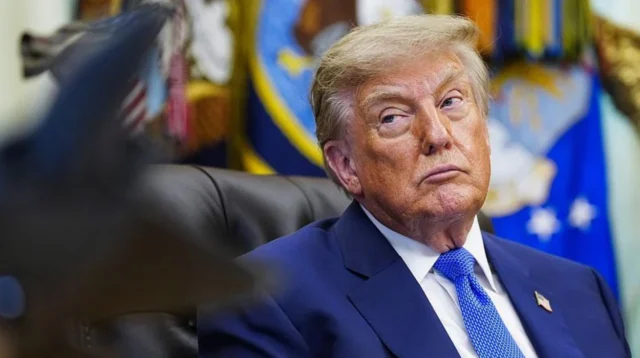
The PCSA’s support coalition includes the NCAA, led by President Charlie Baker, who has publicly urged Congress to establish “some sort of national framework” so athletes are “playing by the same set of rules.” The ACC and Big 12 back the bill, seeing media‑rights pooling as a potential revenue stabilizer. The NFL, MLB, and U.S. Olympic & Paralympic Committee also support the measure, valuing clearer governance and reduced litigation risk. President Donald Trump has publicly called on Congress to pass the bill, adding political pressure.
Opposition is anchored by the SEC and Big Ten, which issued a joint statement on June 2, 2026, declaring:
“We do not support the Protect College Sports Act as drafted. The bill leaves critical issues unresolved. It does not meaningfully preempt the patchwork of state laws or provide the protections needed to make and enforce consistent rules… It also shifts ongoing rulemaking to Congress, limiting the ability to adapt quickly as the landscape evolves.”
Several flagship universities, including Texas, Texas A&M, Alabama, and Auburn, have echoed these concerns, arguing the bill would perpetuate instability rather than cure it.
The Congressional Black Caucus (CBC) added another dimension to the debate on June 3, 2026, urging the Commerce Committee to pause consideration until athletic leaders meaningfully engage on concerns about attacks on Black political representation, stating:
“Silence in the face of injustice is not neutrality—it is complicity… Until college athletics leadership demonstrates a willingness to both engage on these issues and take concrete action… Congress should refrain from advancing legislation that would provide additional protections, authorities, benefits, or legal certainty to these institutions.”
Player‑advocacy groups, including the National College Players Association and Athletes.org, criticize the bill for granting antitrust shelter without requiring collective bargaining or athlete negotiation over constraints like transfer limits and compensation caps.
Timeline and Current Status: Teetering Before Recess
The PCSA was introduced on May 27, 2026, and cleared the Senate Commerce Committee on June 18, 2026, by a 19‑9 bipartisan vote, advancing to the full Senate. Since then, revisions to conference‑expansion, media‑rights, and antitrust language have been underway after sustained pressure from the SEC and Big Ten. By late July 2026, with only a handful of legislative days before the August recess, the bill was described as “teetering” amid the lobbying fight, as senators held calls with commissioners and athletic directors but remained short of a deal. Several lawmakers, including Sen. Todd Young (R‑IN), have signaled they would struggle to support the bill without Big Ten and SEC backing, noting:
“It would be challenging for me to imagine supporting it if the Big Ten Conference and our two member universities in the state aren’t supportive.”
What a Passage—or Failure—Would Mean
In case the PCSA becomes law, it will mandate the implementation of a NIL framework on a national level, as well as impose limits on the transfer of players and set a cap on revenue sharing; however, the NCAA and conferences will enjoy antitrust immunity concerning each of these constraints. The pooling of media rights can change the face of television and streaming in collegiate athletics, allocating billions in media rights to different conferences provided that the requirements to pass the 75% opt-in by FBS and the governance requirements are met. Consolidation of conferences will be restricted due to prohibition to purchase smaller conferences by those earning more than $1 billion annually, ensuring certain structure of the membership. In case the bill does not pass or is weakened, college sports are going to be regulated by state statutes and decisions of courts, allowing the SEC and the Big Ten to maximize their options for media negotiations and player management.