The impending news of the United States imposing a 30% tariff on the agricultural exports of South Africa starting August 1, 2025 has sent shivers through the South African agricultural group with the biggest scare hitting white farming communities which major in commercial farming. Such a policy change upends years of trade and favorable trading opportunities established by the African Growth and Opportunity Act (AGOA) and puts many lives and economies, including those in the rural areas of South Africa, at stake, as well as places part of the South African export sector at risk. The tariffs are a perfect instance of how geopolitical rhetoric and commerce policy can come into collision, creating undesirable results on the groups they purport to serve.
The Agricultural Backbone: White Farmers and Citrus Exports
Dependence on the U.S. Market
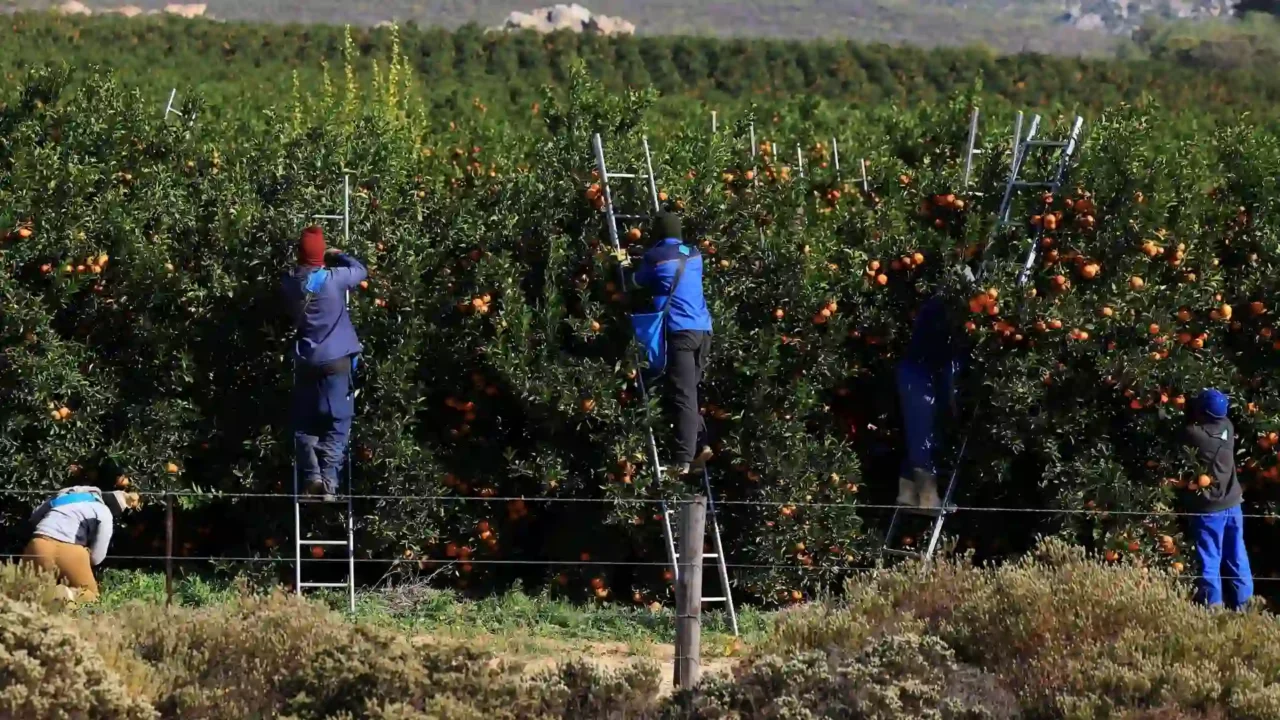
South Africa is ranked second in the world in terms of citrus producers excluding Spain. Annually, well over seven million cartons of citrus which translates to approximately 100, 000 tonnes are sold to the U.S. Although the U.S. share of total citrus exports is a small figure of approximately 6 percent, certain areas of production heavily depend on the market to get seasonal income; these regions are based in the Western Cape and mainly include white owned commercial farms.
It no longer competes with those competitors such as Peru or Chile because of the 30 percent tariff imposed. The financial hit is immediate. Boitshoko Ntshabele, CEO of the Citrus Growers Association, stated,
“A 30% tariff is not commercially sustainable. Entire towns built around citrus exports could be economically devastated.”
Economic Pressure on Farming Communities
It is approximated that 75 percent of South African western farmland continues to be possessed by the whites. Farming is not only an industry in most places but also a multigenerational identity. Since the profit margins are decreasing and the costs of doing business are increasing, these farms begin to die (and so with the towns they sustain). The effects are felt on the farms in terms of labor, transportation services and packaging centers.
Broader Sectoral and Economic Ramifications
Beyond Citrus: A Cascade of Disruption
Although it is all about citrus fruit, tariffs deal with a wide range of agricultural exports: macadamia nuts, wine, avocados, sugar, grapes, and processed food. Other smaller industries such as production of ostrich leather are also feeling the heat as a test of economic endurance in the regions.
The macadamia business that is located in Limpopo and Mpumalanga is especially susceptible because there already exists oversupply and there is paucity in demand in the world. The situation of being deprived of selling their products in the American market compounds their fight to attain profitability.
In 2024, South Africa’s total agricultural exports were valued at $13.7 billion, with $488 million bound for the U.S. Losing even a portion of this disrupts supply chains developed over decades and risks long-term damage.
Regional Employment and Economic Stability
Johan Kotze, CEO of AgriSA, emphasized,
“Market diversification cannot be achieved overnight.”
The immediate concern is job security across regions heavily dependent on agricultural exports. Farming directly and indirectly employs hundreds of thousands across South Africa.
Opposition leaders and economists warn that thousands of jobs could be lost. With national unemployment still hovering above 30%, the economic ripple effects could destabilize entire rural economies. The Democratic Alliance described the tariffs as a “devastating blow” that could stoke social unrest in already fragile regions.
Political Context and Diplomatic Fallout
From Trade to Political Symbolism
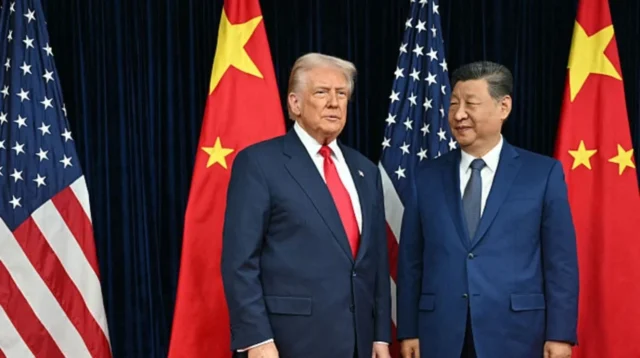
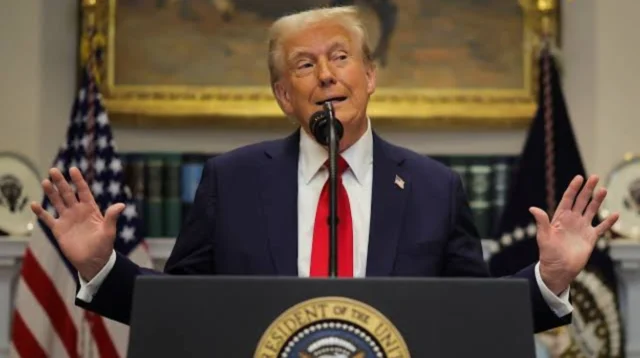
The tariff decision cannot be detached from political context. It follows ongoing criticism by former U.S. President Donald Trump over South Africa’s land reform policies. Part of Trump rhetoric in the past referred to the aspects of violence against white farmers and a proposal to grant Afrikaners asylum in the United States.
These political discourses are no longer united with the real results of U.S. policy. The example of tariffs that nobody really wants to protect in the first place, but hurt the very farms said to need protection (those owned by whites) is part of the contradiction between the politics of positioning and economics.
President Cyril Ramaphosa has called the tariff move “unilateral” and damaging. South African trade and agriculture ministers are engaged in urgent negotiations with U.S. officials to prevent broader fallout and salvage access under AGOA.
Risk of Losing AGOA Benefits
In addition to agriculture, AGOA also offers duty-free cover to more than 6,500 South African goods, inclusive of vehicles and manufactured components. There is a fear of a domino effect under the new tariff in that where confidence in the deal is lost, other industries will be affected.
The pressure on AGOA indicates a changing approach to its trade policy in the U.S where there is a growing political trend in support of bilateral trade agreements at the expense of multilateral trade agreements. In the new circumstances South Africa must now balance its trading relationships.
The Challenge of Market Diversification
Slow Alternatives and Limited Infrastructure
The government agencies and industry groups have urged the companies to diversify into markets of Europe, Middle East, and Asia. Rapid realignment is however restricted by logistical difficulties, phytosanitary regulations and market saturation. Exporting fresh produce also depends on timing and transport networks, which are optimized for existing trade partners.
For emerging black farmers and cooperatives seeking to enter commercial markets, the disruption is especially harsh. These groups often pool resources for export under programs dependent on U.S. access. Without these revenue streams, inclusion initiatives could collapse.
Unequal Burden on Emerging Producers
Nkosinathi Mahlangu from Momentum’s Youth Employment Program explained,
“This trade disruption risks unravelling years of hard-won inclusion in the agricultural sector.”
Many emerging farmers lack the capital and market infrastructure to absorb sudden trade shocks.
The tariffs may set back transformation in the sector by reinforcing historical inequalities. Black and small-scale farmers, who are encouraged to scale production, now face heightened export risks without adequate government buffers.
Can Diplomacy Salvage Market Access?
This individual has already addressed the subject with Bloomberg Africa with a look back at how tariffs have interrupted the trade relationships of years and how diplomatic resolutions are required to restore access to markets with an emphasis on supporting the diversification agenda. https://x.com/Sentletse
In the case of South Africa, negotiators are confronted now with a twofold task: to minimize short term damage to exporters and also have long term access via new trade arrangements. Diplomatic channels with Washington are open but strained. It is unclear whether it is possible to reach a compromise on tariff structure or the product exempted.
Meanwhile, the increased attention accorded to domestic value addition, including the processing and branding of their agricultural products to meet various markets, is potentially a long-term strategic cushion. But such transformations require investment, time, and global confidence in South Africa’s trade stability.
A Trade Crisis with Political Consequences
The current tariff crisis encapsulates the delicate interdependence of trade policy, geopolitics, and domestic politics. White farming communities, long emblematic of South African agricultural excellence, now face a stark challenge born not of land reform but of external economic shifts.
This tariff move may also recalibrate domestic perceptions of international allies and economic vulnerability. Trading partners that were considered dependable started to go off the rails, charging unexpected expenses, and there is rising concern on a national scale as to which way to explore to be economically secure, including foreign policy.
With South Africa in the midst of its peak season on citrus in the shadow of these tariffs, the question must be asked, can a country with a history of exporting its natural goods in the agricultural sense retool itself out of the trade model in time to survive this shock or will this be a permanent crack in an institution that much of the world has come to associate with South Africa?