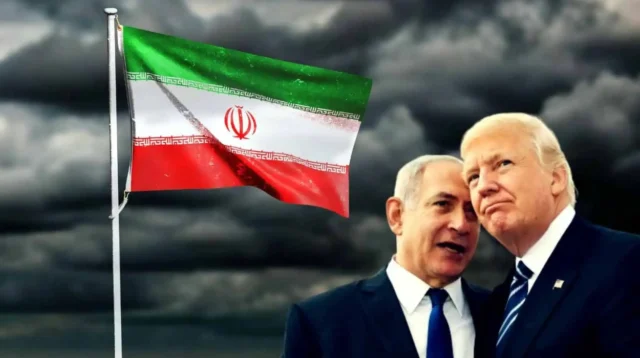
The Iran–US–Israel war in 2025 has exposed the fragility of African fuel systems dependent on Gulf supply chains. The International Energy Agency reported that approximately 600,000 barrels per day of refined oil destined for Africa were at risk, as tanker traffic through the Strait of Hormuz slowed and insurers increased premiums. For Zimbabwe, South Sudan, Kenya, Nigeria, and South Africa, Middle Eastern imports constitute a substantial share of gasoline, diesel, and kerosene, leaving the region vulnerable to immediate shortages and cascading disruptions across transport and electricity generation networks.
Existing weaknesses amplify the impact of the shock. Many African states entered 2026 with underdeveloped refineries, limited storage, and fragile domestic-supply buffers. South Sudan depends on imported refined fuel despite domestic crude production, while Kenya, Zimbabwe, and several West African nations import nearly all refined products. South Africa, despite having some refining capacity, has increasingly relied on imports after the closure of major refineries. The war underscores how local energy, transport, and food-distribution networks are tightly linked to global geopolitical events thousands of miles away.
Zimbabwe: ethanol, taxes, and 40% price hikes
Harare’s response has combined short-term fiscal relief and supply-stretching measures. Ethanol content in petrol rose from 5% to 20% to reduce dependence on imported gasoline, while some fuel-import taxes were cut. Despite these steps, pump prices surged by nearly 40% within a month, feeding into higher transport fares, food prices, and logistics costs.
Local vendors and small businesses report immediate cost pressures, with higher fuel and electricity expenses altering daily operations. Government messaging emphasizes avoiding hoarding, yet Zimbabwe’s limited refining infrastructure and tight foreign-exchange reserves make securing alternative supply routes or long-term contracts difficult. Analysts note that the Iran war has amplified structural macroeconomic and energy-sector vulnerabilities, forcing policymakers to balance short-term price control against deeper supply disruptions.
South Sudan and Kenya: rationing power and fighting panic
South Sudan’s energy fragility has become evident in its capital, Juba, where oil accounts for 96% of electricity generation. Even minor fuel-supply interruptions threaten blackouts. The main electricity distributor, Jedco, implemented daily rotational cuts, disrupting shops, clinics, and small manufacturers. Analysts highlight that the crisis stems not from domestic mismanagement but from global supply shocks cascading through an over-reliant system.
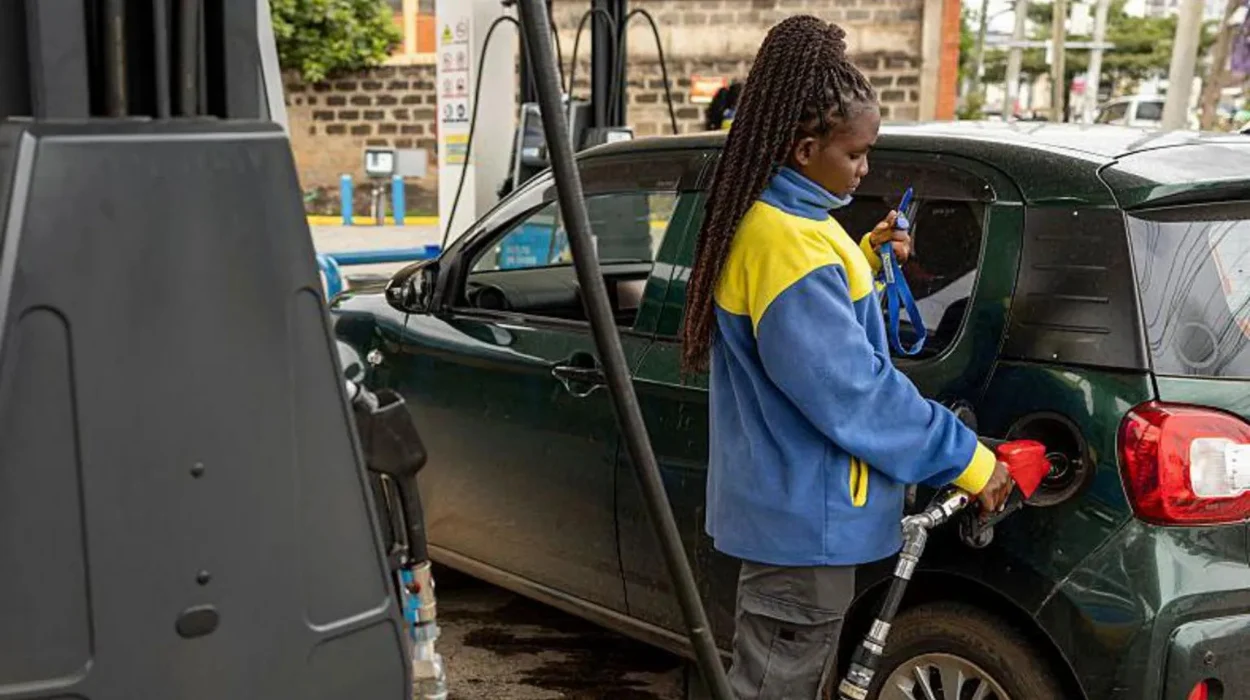
Kenya’s situation is more diffuse. About 20% of petrol stations have reported temporary stock-outs, driven by transport-cost pressures and higher insurance premiums. Panic buying exacerbated the shortages, despite government assurances of roughly 21 days of reserve fuel. Analysts warn that the psychological effect of fear can amplify the impact of limited supply, creating localized crises that exceed the raw numerical shortfall. The episode illustrates the intersection of physical scarcity and perception-driven panic, a vulnerability shared across many African states.
Nigeria and South Africa: mixed signals and rising costs
Nigeria and South Africa, as major oil producers, face complex dynamics. While higher global prices could boost government revenues, domestic pressures often negate these gains. In Lagos, fuel prices have risen about 35%, affecting urban transport and squeezing margins for taxi and motorcycle operators. Federal controls and partial subsidies offer some relief but cannot fully insulate consumers from volatility.
South Africa maintains that short-term fuel supplies are adequate but warns that prolonged Middle East conflict could strain availability. Analysts note that the nation has lost about half its refining capacity in recent years, increasing reliance on imports. Airlines and trucking companies brace for higher jet-fuel and diesel costs as Brent crude prices climb and insurance premiums for Gulf shipments rise. Even countries with domestic production are not immune to the global ripple effects of distant conflicts when shipping and insurance systems are stressed.
The broader test of African energy and political resilience
The experiences of Zimbabwe, South Sudan, Kenya, Nigeria, and South Africa reveal systemic vulnerabilities. Policymakers are improvising with limited tools: rationing, blending, tax adjustments, and public appeals. The Iran war did not create these weaknesses but exposed them starkly, highlighting the exposure of East and Southern African states to Middle Eastern supply shocks. Up to 75% of their refined-fuel imports come from the Gulf, with reserves often measured in weeks rather than months.
Longer-term questions now emerge. Will the fear and fragility revealed by price spikes, blackouts, and panic-buying drive investment in diversified refining, storage, and alternative energy sources, or will the crisis be treated as another external shock to be temporarily managed? Public perception matters: citizens increasingly connect every shortage or price increase to distant geopolitical events beyond their control. The Iran war in 2025 acts as a stress test not only for logistical and energy systems but also for political credibility in Africa, demonstrating the intricate interplay between global conflicts and domestic governance.