Pakistan’s diplomatic pivot has emerged as a defining feature of regional geopolitics in 2026, reflecting a calculated transition from security-centric alignments to a more flexible diplomatic posture. Historically associated with its ties to the Afghan Taliban, Islamabad is now positioning itself as an intermediary capable of facilitating dialogue between the United States and Iran. This shift is not abrupt but rooted in evolving regional pressures and strategic recalibration that began to take shape through 2025.
The pivot reflects both necessity and opportunity. Pakistan faces economic fragility and internal security challenges, while its geopolitical environment has grown more complex due to Middle East tensions and great-power competition. By stepping into a mediation role, Islamabad seeks to reposition itself as a constructive diplomatic actor rather than a peripheral or problematic stakeholder. This transition signals a broader ambition to regain influence in global policymaking circles without abandoning its traditional balancing approach.
Redefining regional posture beyond Taliban associations
Pakistan’s diplomatic identity has long been tied to its relationship with the Afghan Taliban, particularly following the 2021 transition in Afghanistan. However, developments through 2025 and into 2026 have forced a reassessment of that association.
From strategic depth to diplomatic bridging
For decades, Pakistan’s policy was interpreted through the lens of “strategic depth,” emphasizing influence in Afghanistan as a buffer against regional threats. This framework began to erode as tensions with the Taliban government increased over border security, militant activity, and refugee management. Islamabad’s ability to shape outcomes in Kabul diminished, exposing the limitations of proxy-based influence.
In response, Pakistan has sought to redefine its role from a patron of insurgent networks to a facilitator of diplomatic engagement. Acting as a bridge between Washington and Tehran allows Islamabad to leverage its geographic position and historical ties without being confined to a single axis of influence. This transition marks a significant departure from earlier doctrines that prioritized security dominance over diplomatic versatility.
Recalibration driven by internal and external pressures
Domestic challenges have played a critical role in accelerating this pivot. Economic constraints and political uncertainty have heightened the need for international engagement and external support. By demonstrating diplomatic utility, Pakistan aims to attract investment, strengthen partnerships, and improve its global standing.
Externally, the shifting dynamics of the Middle East have created a window for mediation. Rising tensions involving Iran and renewed U.S. engagement in the region have increased demand for intermediaries capable of maintaining discreet communication channels. Pakistan’s ability to operate across multiple diplomatic spheres positions it as a viable candidate for such a role.
The role of leadership and strategic channels
Pakistan’s diplomatic pivot is closely linked to the dynamics of leadership and institutional influence, particularly the interplay between civilian authorities and the military establishment.
Military diplomacy and access to Washington
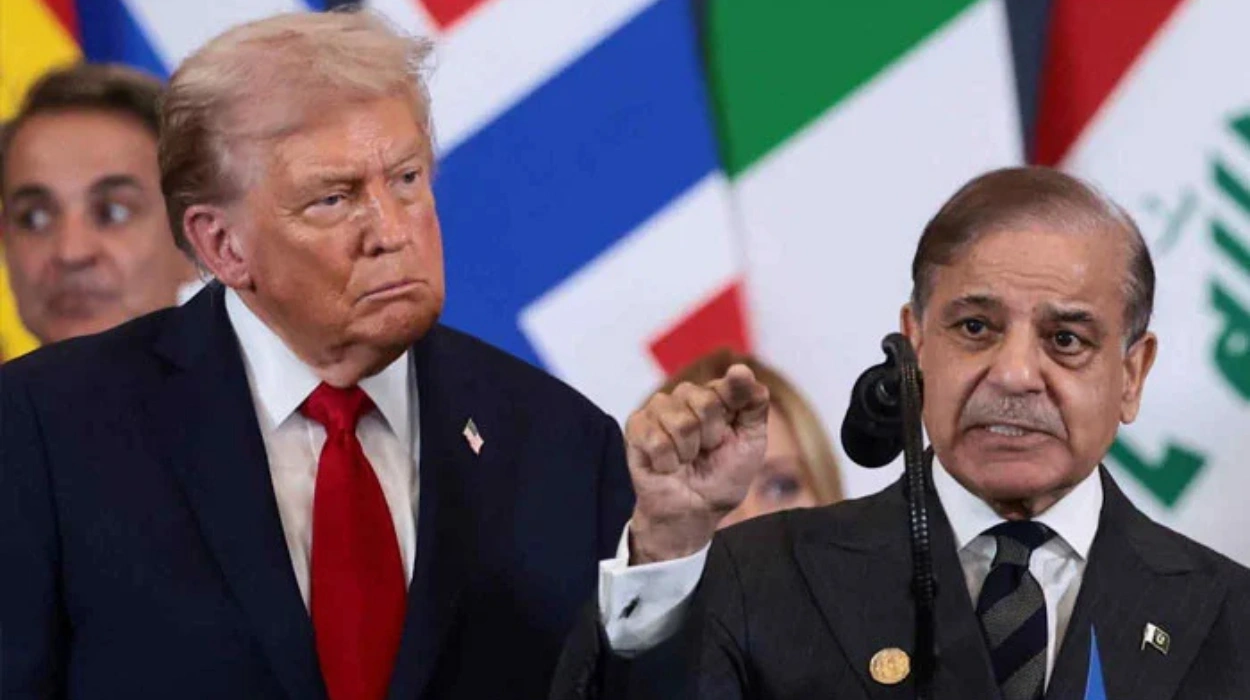
A key factor shaping Pakistan’s current posture is the relationship between its military leadership and Donald Trump. Direct engagement between Washington and Pakistan’s military establishment has created channels that bypass traditional diplomatic processes, enabling faster communication and coordination.
In Pakistan’s political system, where the military retains significant influence over foreign policy, such access carries considerable weight. It allows Islamabad to position itself as a reliable interlocutor capable of delivering messages and facilitating dialogue. This dynamic enhances Pakistan’s credibility as a mediator while reinforcing the centrality of military diplomacy in its external engagements.
Limitations of influence in mediation efforts
Despite these advantages, Pakistan’s ability to shape outcomes remains limited. Acting as a mediator does not equate to controlling the terms of negotiation. Islamabad can facilitate communication and reduce tensions, but it cannot dictate the strategic objectives of either Washington or Tehran.
This limitation underscores the delicate balance inherent in mediation. Pakistan must maintain neutrality while managing perceptions on both sides. Excessive alignment with one party risks undermining trust with the other, potentially weakening its role as an intermediary. The success of this approach depends on sustaining credibility rather than exerting influence.
Evolving dynamics with the Taliban
The deterioration of Pakistan’s relationship with the Afghan Taliban has been a critical factor in driving its diplomatic pivot. What was once considered a strategic asset has increasingly become a source of friction.
Strained relations and security implications
Since 2025, tensions between Islamabad and the Taliban-led government have intensified, particularly over cross-border militancy and the activities of groups such as the Tehrik-e-Taliban Pakistan. These challenges have exposed the limits of Pakistan’s influence and highlighted the risks associated with relying on non-state actors for strategic depth.
The resulting strain has compelled Pakistan to reconsider its regional approach. Rather than relying on ideological or proxy-based relationships, Islamabad is exploring state-to-state diplomacy as a more sustainable framework for influence. This shift reflects a broader recognition that stability cannot be achieved through informal networks alone.
Reputation management in Western capitals
Pakistan’s association with the Taliban has long complicated its image in Western policymaking circles. By engaging in U.S.-Iran mediation, Islamabad seeks to reshape this perception and present itself as a constructive actor capable of contributing to regional stability.
This effort is particularly significant in the context of renewed U.S. interest in diplomatic solutions to Middle East tensions. By positioning itself as part of the solution rather than the problem, Pakistan aims to rebuild trust and expand its role in international forums. However, this reputational shift requires consistent policy alignment to avoid being dismissed as opportunistic.
Strategic objectives behind Pakistan’s diplomatic pivot
Pakistan’s diplomatic pivot is driven by a combination of strategic objectives that extend beyond immediate mediation efforts. These goals reflect both external ambitions and internal considerations.
Pursuit of geopolitical relevance
In an increasingly multipolar world, maintaining relevance is a central concern for mid-sized powers. Pakistan’s engagement in U.S.-Iran dialogue provides an opportunity to assert its importance in regional and global affairs. Acting as a mediator allows Islamabad to remain visible and influential without committing to a single alliance.
This relevance has tangible benefits, including access to decision-makers and potential economic opportunities. By demonstrating its ability to facilitate dialogue, Pakistan strengthens its bargaining position in broader diplomatic and economic negotiations.
Maintaining policy flexibility in a volatile region
Flexibility has long been a hallmark of Pakistan’s foreign policy, and the current pivot reinforces this approach. By engaging with both Washington and Tehran, Islamabad avoids being locked into rigid alignments that could limit its options.
This balancing act is particularly important given the volatility of the Middle East and South Asia. Maintaining open channels with multiple actors enables Pakistan to adapt to changing circumstances while minimizing risks. However, this strategy requires careful calibration to avoid perceptions of inconsistency or opportunism.
Implications for regional and global diplomacy
Pakistan’s evolving role has broader implications for regional and global diplomacy, particularly in the context of shifting power dynamics and the search for new mediation frameworks.
The emergence of Pakistan as a potential intermediary highlights the growing importance of middle powers in conflict management. As major powers grapple with competing priorities, states capable of bridging divides are gaining prominence. Pakistan’s experience illustrates both the opportunities and challenges associated with this role.
At the same time, the success of this pivot will depend on its sustainability. Short-term mediation efforts can enhance visibility, but long-term influence requires consistent engagement and credible outcomes. Pakistan’s ability to maintain its position will be shaped by its capacity to deliver tangible results while navigating complex geopolitical relationships.
Pakistan’s diplomatic pivot reflects a broader transformation in how states seek influence in a fragmented international system. As Islamabad navigates its new role between Washington and Tehran, the durability of this strategy will hinge on whether it can convert episodic mediation into a stable and recognized function in regional diplomacy, where trust remains limited and strategic interests rarely align.