Trump’s Ultimatum to Strikes marked a decisive shift in the trajectory of US-Iran relations as negotiations in Geneva gave way to coordinated military action against Iranian nuclear facilities. The transition from structured dialogue to kinetic force followed a compressed diplomatic window defined by explicit deadlines, escalating deployments, and irreconcilable demands over uranium enrichment and missile capabilities.
By late February 2026, three rounds of talks mediated by Oman had taken place in Geneva. These discussions built on 2025 backchannels that reopened communication after years of stalled engagement following the collapse of the 2015 nuclear agreement. Yet the fragile framework proved vulnerable once political timelines overtook diplomatic sequencing.
Geneva Negotiations and the Limits of Compromise
The Geneva talks were designed to test whether incremental confidence-building could restore a measure of predictability to the nuclear file. Omani mediators facilitated indirect exchanges, focusing on verifiable enrichment limits and phased sanctions relief.
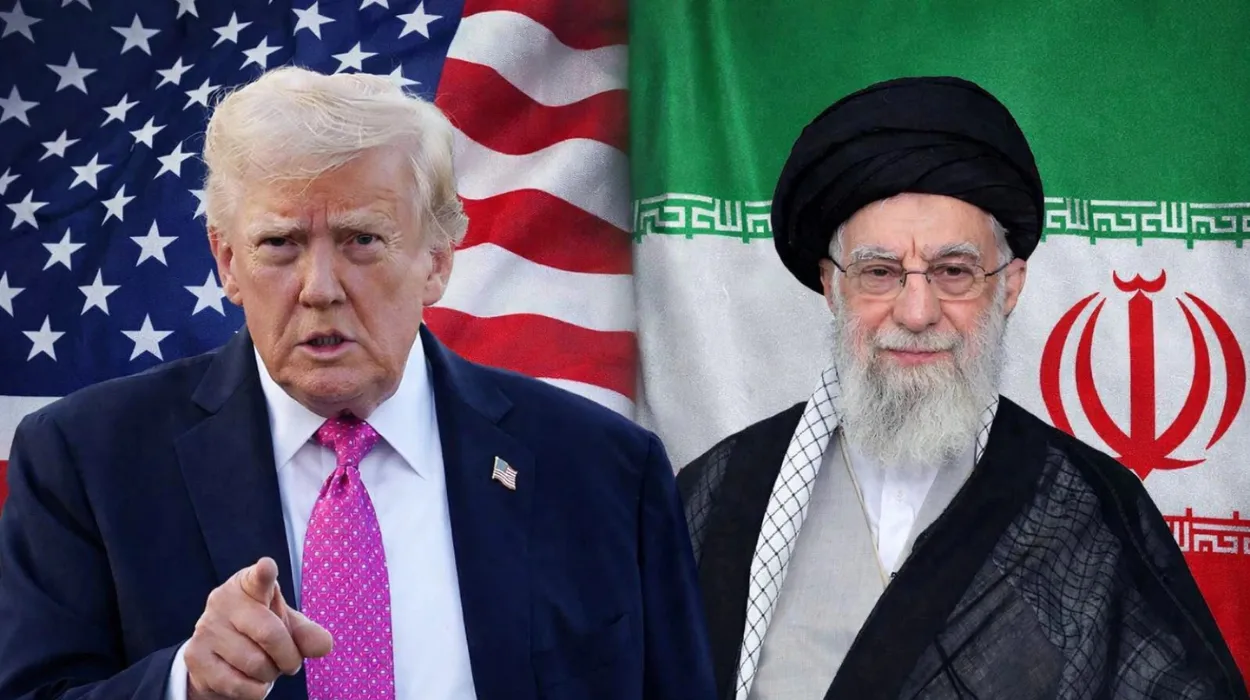
Iran maintained that civilian uranium enrichment was a sovereign right and non-negotiable. The United States, under President Donald Trump, insisted that any durable agreement required far stricter constraints, including limits extending beyond enrichment to missile development. That divergence created a structural impasse even as both sides publicly affirmed openness to a “fair” deal.
Enrichment and Verification Disputes
The International Atomic Energy Agency’s 2025 assessments indicated that Iran possessed uranium enriched close to weapons-grade levels. While Tehran argued that enrichment remained reversible and within its legal rights under the Non-Proliferation Treaty, Washington viewed the stockpile as a narrowing breakout timeline.
Verification protocols became another sticking point. US negotiators sought expanded inspection authority and real-time monitoring mechanisms. Iranian officials signaled flexibility on transparency but resisted measures perceived as intrusive or politically humiliating.
Missile Capabilities and Regional Security
Missile constraints further complicated discussions. Tehran asserted that its ballistic program, capped below 2,000 kilometers, was defensive in nature. Washington linked missile limitations to regional deterrence concerns, citing threats to Gulf partners and Israel.
The linkage of nuclear and missile files compressed negotiation bandwidth. Mediators attempted to sequence the issues, but the merging of security domains reduced the space for incremental compromise.
The Ultimatum and Escalatory Signaling
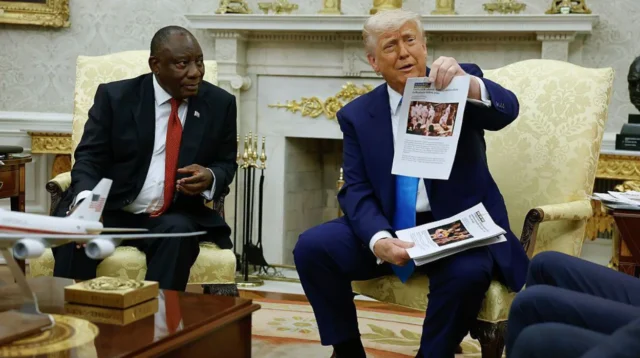
Trump’s public declaration that Iran had “10 to 15 days at most” to accept revised terms fundamentally altered the tempo of diplomacy. What had been open-ended dialogue became a countdown framed by military readiness.
The ultimatum was synchronized with visible deployments. The USS Gerald R. Ford and USS Abraham Lincoln carrier strike groups repositioned within operational reach of Iranian targets. Surveillance assets, including E-3 Sentry aircraft, expanded regional coverage. The scale of mobilization signaled that contingency planning was not rhetorical.
Revival of Maximum Pressure
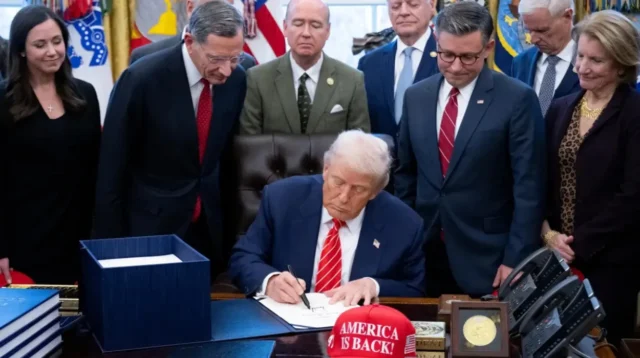
Following his January 2025 inauguration, Trump reinstated a maximum pressure strategy combining sanctions on oil exports with diplomatic overtures conditioned on structural concessions. The 2026 ultimatum represented an extension of that doctrine, integrating economic coercion with military credibility.
White House officials indicated that failure to secure agreement would prompt decisive action. Advisors privately described the deadline as credible, emphasizing that drawn-out negotiations without visible concessions risked undermining deterrence.
Impact on Mediation Efforts
Oman’s mediation efforts relied on gradualism. Shuttle diplomacy aimed to reduce mistrust accumulated since the earlier nuclear deal’s collapse. The introduction of a fixed deadline complicated that process, narrowing room for iterative adjustments.
European observers expressed concern that compressing negotiations into a short timeframe risked reinforcing hardline narratives in Tehran. Yet Washington argued that prolonged talks without tangible shifts had previously enabled nuclear advancement.
Execution of the February 2026 Strikes
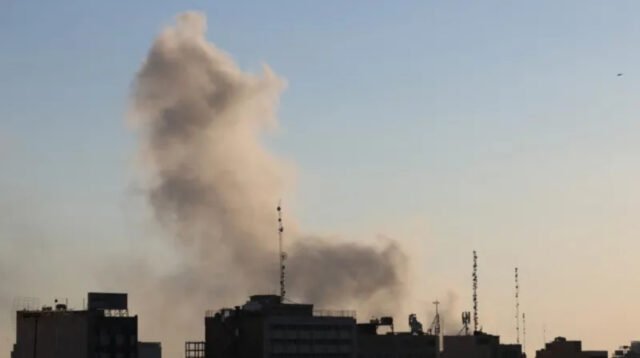
On February 28, 2026, US and Israeli forces launched coordinated strikes on nuclear facilities at Isfahan, Fordo, and Natanz. Dozens of cruise missiles and precision-guided munitions targeted enrichment infrastructure and associated command nodes.
President Trump declared that “heavy pinpoint bombing” would continue as necessary to secure peace. US officials characterized the campaign as limited in objective but potentially sustained in duration.
Strategic Targets and Operational Scope
Fordo’s underground enrichment complex, long considered hardened, sustained structural damage according to early assessments. Natanz centrifuge halls were disrupted, while Isfahan’s fuel cycle operations were temporarily halted. The strikes aimed to degrade Iran’s technical capacity rather than achieve regime change.
The operation drew on intelligence assessments from 2025 indicating advanced stockpiles and infrastructure resilience. Coordination with Israel reflected joint contingency planning developed in prior exercises.
Immediate Iranian Reaction
Iranian officials vowed “everlasting consequences,” signaling readiness for calibrated retaliation. The government framed the strikes as confirmation that Washington prioritized coercion over diplomacy.
Retaliatory scenarios included asymmetric responses through regional partners and potential cyber operations. Tehran avoided immediate large-scale direct confrontation, suggesting a preference for measured escalation consistent with past practice.
Regional and Global Repercussions
The move from ultimatum to strikes reshaped regional alignments. Gulf states monitored developments cautiously, balancing security cooperation with concerns about proxy escalation. Energy markets reacted to fears of disruption in key shipping corridors.
Russia and China condemned the operation, framing it as destabilizing unilateral action. European governments faced diminished leverage after investing political capital in mediation efforts throughout 2025.
Alliance Dynamics and Strategic Calculus
US-Israel coordination deepened operational ties, reinforcing a shared assessment of nuclear urgency. Arab partners remained publicly restrained, wary of domestic and regional backlash.
For Washington, the strikes were intended to reestablish deterrence credibility. For Tehran, they reinforced skepticism about the durability of negotiated commitments.
Non-Proliferation and Diplomatic Credibility
The transition from structured talks to force complicates the broader non-proliferation regime. If Iran recalculates that negotiated limits provide insufficient security guarantees, enrichment activities could resume at higher levels.
Conversely, US policymakers argue that decisive action may reset the negotiating baseline, compelling renewed talks from a position of constrained capability.
Trump’s Ultimatum to Strikes illustrates the tension between coercive leverage and diplomatic patience in high-stakes nuclear negotiations. Deadlines can clarify intent, but they can also compress fragile processes into binary outcomes. As regional actors recalibrate and indirect channels remain technically open, the question is whether the post-strike environment creates a narrower but more disciplined pathway back to structured dialogue, or whether the precedent of force-first sequencing hardens positions on both sides in ways that outlast the immediate crisis.