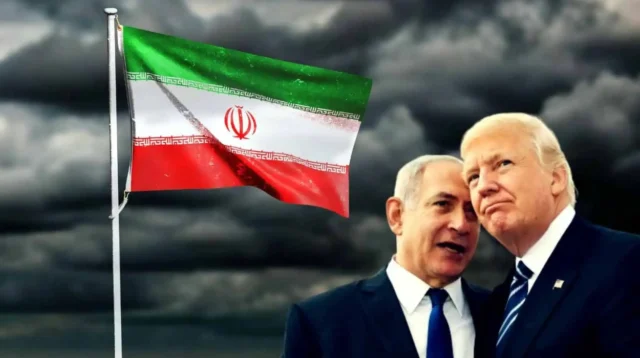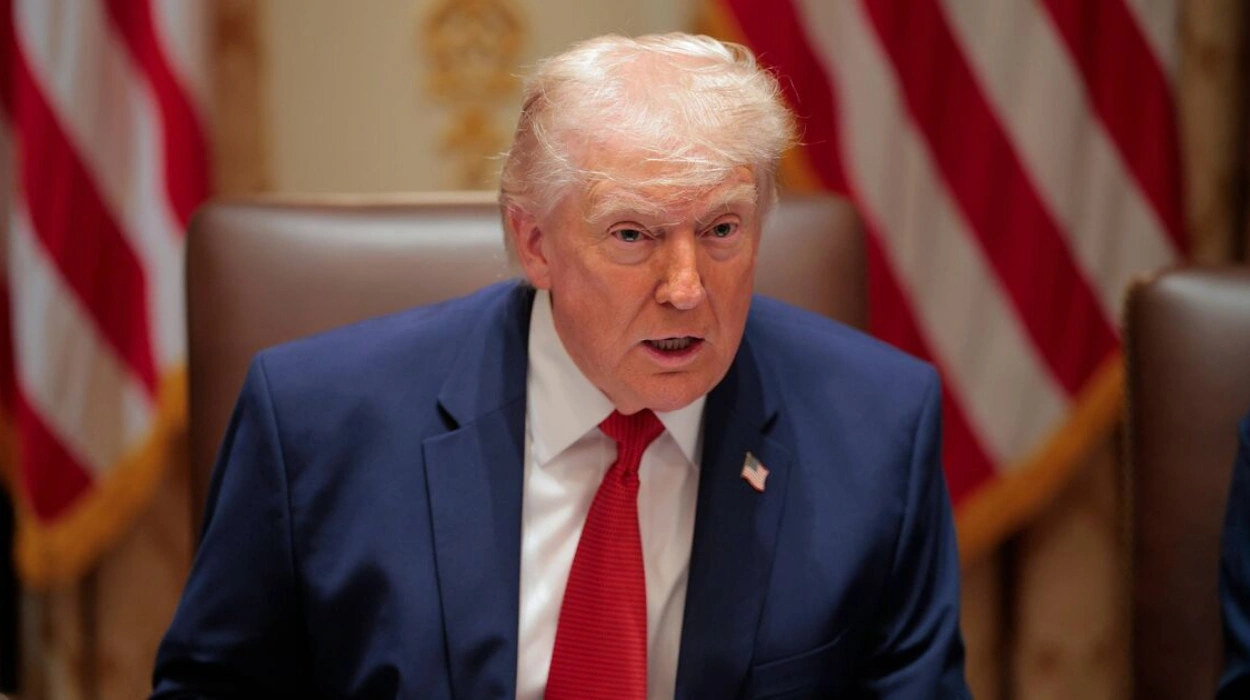
The phrase “unleash hell,” used by the White House while discussing the ongoing conflict with Iran, has become a defining element of the current diplomatic moment. President Donald Trump’s administration has paired the warning with ongoing negotiations and a structured peace proposal, reflecting a strategy that blends pressure with conditional engagement. Officials presenting the message emphasized that the United States believes it holds military advantage and expects Tehran to weigh that reality when considering the proposed framework.
The statement came during a period when Washington was both pausing certain strikes on Iranian energy infrastructure and advancing a 15-point negotiation plan through intermediaries. The juxtaposition of restraint and threat illustrates a familiar pattern in high-stakes diplomacy, where strong language is used to influence an opponent’s calculations while keeping communication channels active.
Messaging aimed at altering Tehran’s cost assessment
Political communication specialists note that language such as “unleash hell” is designed to alter the perceived cost of rejecting negotiations. The administration’s messaging suggests that a failure to accept the framework could result in broader strikes targeting infrastructure that underpins Iran’s energy production and industrial capacity.
From Washington’s perspective, the goal is not solely escalation but shaping the decision environment. By linking the rhetoric to existing military options already demonstrated during earlier operations against nuclear and naval sites, the administration reinforces the credibility of its warning while signaling that diplomacy remains available if conditions are met.
The domestic and international audiences behind the rhetoric
Public warnings in wartime rarely address a single audience. The language also speaks to domestic political constituencies that expect firm responses during geopolitical confrontations. At the same time, regional partners monitoring the conflict interpret such rhetoric as an indication of how far the United States might go if negotiations collapse.
Diplomats observing the situation note that strong language can simultaneously reassure allies and complicate negotiations. Tehran, for example, tends to interpret such statements as attempts at coercion rather than invitations to compromise, which can influence how Iranian leaders frame their public response.
The diplomatic structure behind the warning
The threat has unfolded alongside a detailed negotiation proposal transmitted through diplomatic intermediaries. The framework, commonly referred to as a 15-point plan, aims to address nuclear oversight, missile development, maritime security, and sanctions relief in a single structured package. U.S. officials have described the proposal as a foundation for talks rather than a finalized settlement, with envoy Steve Witkoff noting that exchanges around the plan have carried “positive messaging” even as sensitive details remain undisclosed.
Observers say the proposal reflects lessons from earlier negotiations during 2025, when regional tensions and shipping disruptions increased the urgency of structured diplomacy. By organizing the discussion into specific points, Washington hopes to encourage incremental progress on complex issues that previously stalled broader agreements.
Nuclear restrictions and monitoring
A significant portion of the framework reportedly focuses on Iran’s nuclear program. Proposed measures include limits on enrichment levels and expanded monitoring of facilities linked to uranium production. International analysts emphasize that verification remains central to any potential agreement, since monitoring mechanisms determine whether restrictions can be enforced over time.
These provisions echo concerns raised throughout 2025 when international agencies warned that oversight gaps could widen if diplomatic efforts faltered. For Washington, strict monitoring is intended to ensure that any deal produces measurable and lasting security changes.
Maritime security and regional stability
Another element of the proposal centers on maritime routes, particularly the Strait of Hormuz. Ensuring the safety of shipping lanes has become a priority for global energy markets since the conflict intensified, as a large portion of the world’s oil shipments pass through the waterway.
By incorporating maritime security into the framework, the United States aims to link regional stability with broader economic considerations. Analysts suggest that this aspect of the proposal may also appeal to countries outside the immediate conflict zone that depend heavily on uninterrupted energy flows.
Iran’s response and strategic calculations
Iranian officials have publicly rejected the tone and structure of the U.S. proposal, describing it as a maximalist approach that overlooks Tehran’s security concerns. Government statements emphasize that the country will not accept terms perceived as undermining its sovereignty or limiting its strategic deterrence. At the same time, diplomatic observers report that Iranian policymakers are reviewing the proposal carefully, reflecting the complexity of the situation.
Tehran’s reaction reflects both domestic political considerations and regional strategy. Accepting restrictions tied to military and nuclear capabilities carries significant implications for internal power structures as well as for Iran’s standing among allied groups across the Middle East.
Deterrence doctrine shaping Iran’s stance
Iran’s leadership has long argued that missile programs and regional partnerships form a defensive shield against external threats. Officials connected to the country’s security establishment frequently state that these capabilities deter adversaries from pursuing regime-change strategies or large-scale military operations.
Because of this doctrine, proposals requiring deep limitations on those capabilities face skepticism in Tehran. Even when economic incentives such as sanctions relief are included, policymakers weigh whether concessions might weaken long-term deterrence.
Economic and political pressures in the background
Despite public defiance, economic conditions continue to influence internal debates. Sanctions, conflict-related disruptions, and infrastructure vulnerabilities have affected domestic stability since the escalation in 2025. Analysts note that any extended campaign targeting energy facilities could increase pressure on the government to explore diplomatic solutions, even if official rhetoric remains resistant.
This dynamic creates a dual track within Iran’s policy environment: outwardly firm messaging paired with behind-the-scenes evaluation of whether limited engagement could reduce strategic risks.
Regional reactions and shifting risk perceptions
Regional governments have responded cautiously to the escalating rhetoric and the accompanying diplomatic initiative. Gulf states have expressed concern that highly confrontational language could trigger retaliatory actions affecting energy infrastructure across the region. At the same time, these governments support efforts to stabilize shipping routes and reduce the likelihood of broader conflict.
Energy markets have reacted to the developments with a mix of caution and short-term stabilization. Traders monitoring the Strait of Hormuz note that announcements of pauses in certain strikes and the existence of negotiations tend to reduce immediate volatility, though long-term uncertainty remains significant.
Israel and allied security perspectives
Security analysts in Israel and allied states are closely evaluating how the combination of threats and diplomacy may reshape the strategic environment. Their focus remains on ensuring that any agreement addresses missile capabilities and regional proxy networks in verifiable ways.
These considerations highlight a broader challenge facing negotiators: a deal must satisfy not only the United States and Iran but also partners whose security calculations depend on the outcome of the talks.
International diplomatic caution
European diplomats and multilateral organizations have encouraged both sides to moderate rhetoric while continuing negotiations. They argue that sustained dialogue supported by transparent monitoring could gradually reduce tensions that escalated during the previous year. International observers emphasize that the durability of any arrangement will depend on the credibility of verification systems and the willingness of both sides to accept incremental progress rather than sweeping concessions.
Pressure, perception, and the evolving diplomatic edge
The interplay between the “unleash hell” threat and the ongoing diplomatic initiative illustrates how modern conflict management often combines forceful messaging with structured negotiation. Each side is attempting to shape perceptions without committing irreversibly to escalation or compromise. Washington seeks to demonstrate that military leverage strengthens its bargaining position, while Tehran aims to show resilience and maintain strategic autonomy.
What remains uncertain is how long such a balance can be sustained. Diplomatic history suggests that strong rhetoric can either accelerate negotiations or harden positions depending on how leaders interpret the signals behind it. As discussions continue around the framework and regional actors monitor developments closely, the broader question is whether pressure and dialogue can coexist long enough to produce a settlement that both sides view as stabilizing rather than temporary.