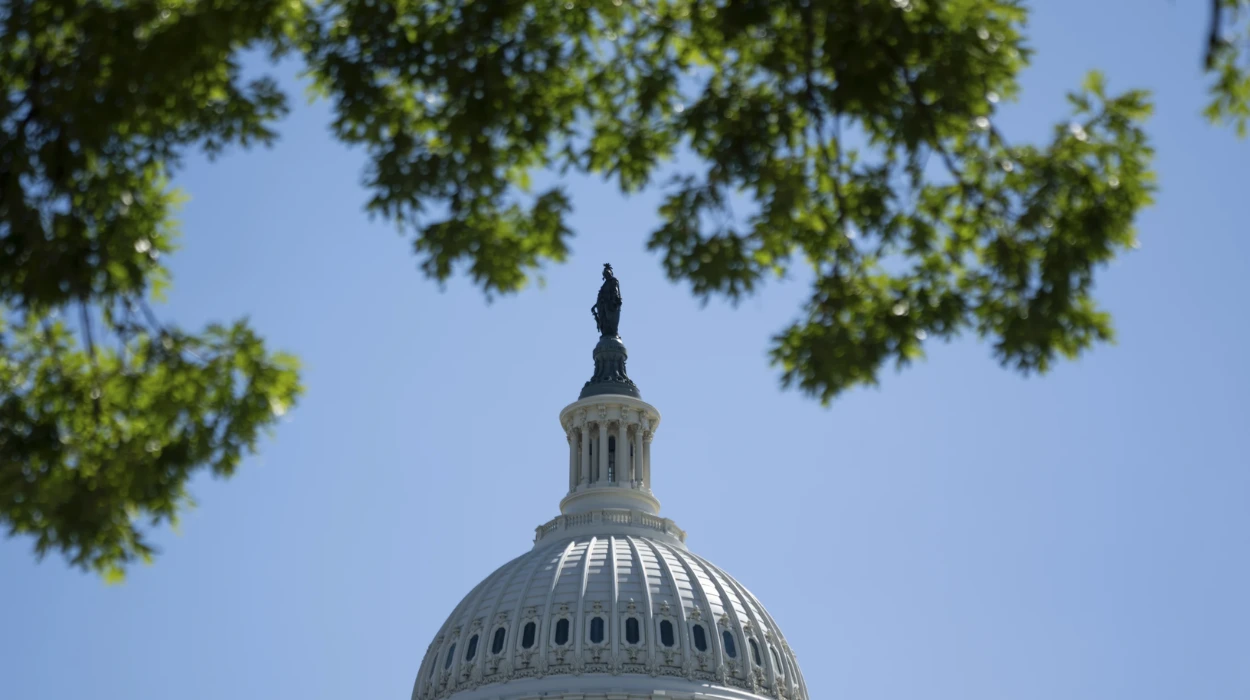
The Republican-led House of Representatives showed bipartisan defiance by passing a war powers resolution against President Trump’s actions in Iran. With a tight vote of 215-208, this marks the first time the House has okayed such a measure in this political term. This highlights increasing concerns at home about a conflict lasting three months. Americans remember Trump promised to keep out of these tricky foreign affairs. Now, the resolution’s future depends on the Senate, which makes its prospects uncertain. Also, the White House hints that they’ll probably reject Congress trying to curb the president’s military leadership rights.
The Iran War Powers Resolution that I cosponsored (opposing the war) just passed the House of Representatives.
— Thomas Massie (@RepThomasMassie) June 3, 2026
The People’s House is sending a message: end this war.
A Historic Vote Against Executive War Powers
The House’s move marks the fourth attempt by lawmakers to limit U.S. military activity in Iran. Each vote shows growing opposition to the conflict. The resolution tells President Trump to pull American troops out of Iran, unless Congress decides otherwise by declaring war or authorizing military force. Backed by the Constitution’s War Powers Clause, this effort places limits on the president since only Congress can declare war, not the executive branch.
“Congress alone declares war,”
said one of the Republican lawmakers who joined Democrats in supporting the measure, framing the vote as a constitutional imperative rather than a partisan maneuver.
The resolution passed, seen as a symbolic jab at Trump’s foreign policy. Despite arguing that hostilities have ceased after a declared ceasefire, the administration sidesteps the 60-day limit set by the War Powers Act, which needs congressional OK for extension.
Bipartisan Coalition Defies Party Lines
The most striking part of the vote was when four Republicans sided with the Democrats, passing the resolution. This switch illustrates the increasing tension between the GOP base and lawmakers who question the need for long-term military actions without explicit congressional approval. Speaker Mike Johnson had tried to prevent the vote, cutting short floor action two weeks earlier. As the conflict continued, though, the opposition grew stronger, and Trump faced more difficulty in quickly wrapping up negotiations.
“Displeasure has only grown as the conflict drags on,”
observed a senior House aide, noting that the roll call reflects a broader shift in political sentiment.
With a tight vote of 215-208, the resolution barely passes but shows less support for the admin’s military policy. Democrats have kept pushing for this war powers resolution, increasing the votes each time as political unease grows.
The Senate’s Role and Uncertain Next Steps
The House resolution is headed to the Senate. Last month, four Republican senators joined the Democrats in pushing a similar measure to limit the U.S. military campaign against Iran. The Senate hasn’t taken its final vote yet, so the path forward is unclear. If the Senate says yes to its own version, expect President Trump to veto it. He always backs executive authority over military actions.
“The administration has indicated that because a ceasefire has been declared in the current conflict in Iran, the hostilities have ceased,”
a White House spokesperson stated, arguing that the War Powers Act’s 60-day congressional approval window does not apply. This legal interpretation sets up a potential constitutional clash between the legislative and executive branches over who holds ultimate authority in matters of war and peace.
Constitutional and Legal Implications
This ends a long debate on power balance in foreign policy between Congress and the president. The 1973 War Powers Resolution says the president needs Congress’ approval to deploy troops and must end the use of force within 60 days if Congress is silent. Presidents typically claim special commander-in-chief powers to act without explicit Congressional permission, doing what they think is best in military ops.
Legal scholars are split on whether a congressional war powers resolution can legally force the president to pull out troops without a formal declaration of war. Some say the resolution has legal teeth, but others think it’s mainly symbolic. It only gains real power, they argue, if Congress cuts funding or the courts get involved.
Congress can declare war, but the president gets to act as commander in chief and use military force, too. This creates debate about who has the final say. Contemporary analysis points out this ongoing legal disagreement between branches of government, adding to the complexity.
Political Fallout and Domestic Impact
The vote has big consequences for both parties. Trump promised less U.S. involvement abroad during his campaign, but this conflict redirects attention to the Middle East and contradicts his election promises. Critics say the military action in Iran goes against Trump’s vow to stay out of foreign wars. Supporters think it’s needed for national security, though.
The vote shows tension within the Republican party in Congress over foreign policy and executive power. Four Republicans defected to support the resolution, highlighting that some lawmakers prioritize constitutional principles over party lines. Also, this is the fourth time the House attempted to limit the US war with Iran, according to media reports. Despite previous rejections, legislative opposition continues. So, this event might signal a shift on war and peace issues within the government.
International Repercussions and Diplomatic Ramifications
The House resolution will probably sway Iran-related diplomacy and how allies see things in the region. Though it might not end the war right away, it offers a symbolic and possibly legal roadblock to more military action. Allies could interpret Congress pushing this way as the US not being fully committed to the fight anymore. This might influence ceasefire talks, how security is handled in the area, and future strategic alliances.
Iranian leaders will likely celebrate the resolution, seeing it as proof that many Americans oppose military intervention. It might boost their standing in upcoming negotiations too. At the same time, US Middle Eastern partners could start doubting our reliability if the US government limits support for war efforts. So, this resolution makes an already tricky diplomatic situation even more complex.
Public Opinion and Media Coverage
Public opinion polls suggest rising concern among Americans about prolonged military engagement in Iran, with many favoring congressional oversight and a clear authorization for war. Media coverage has highlighted the bipartisan nature of the vote and the constitutional questions at stake, framing the resolution as a test of democratic checks and balances. Social media and news outlets have amplified the narrative of congressional pushback against executive overreach, further shaping the political discourse.
What Happens Next?
The next move is for the Senate to look at the companion war powers resolution. If they pass it, it heads to the president, who might well veto it. For Congress to get past that veto requires a two-thirds majority in both houses, which is really tough right now due to how sharply divided everything is. Another option for Congress is trying funding restrictions or different legislative moves to curb military actions. Even so, those methods aren’t easy either—they’ve got their own set of legal and political challenges.
The resolution’s passage also sets the stage for potential judicial challenges, as the administration may argue that the measure infringes on executive authority. Courts could be called upon to interpret the War Powers Act and determine the boundaries of congressional versus presidential power in wartime. The House for the first time Wednesday approved a war powers resolution that would halt the U.S. military action against Iran, marking a pivotal moment in the ongoing struggle over war powers.
A Defining Moment for War Powers and Executive Authority
The House’s vote to stop military action in Iran is more than just a legislative move; it’s a key moment for the balance of power between Congress and the president. This shows increasing worry across party lines about the president overstepping his bounds, plus concerns about conflict costs and the need for accountability in foreign policy. The resolution might not have much legal effect right away, but its symbolic importance and political repercussions are huge. As the debate heads to the Senate and maybe even the courts, the nation waits to see if Congress can regain its constitutional say in issues of war and peace.
The resolution’s passage signals that the political unease with the U.S. war in Iran is swelling, and that lawmakers are increasingly willing to challenge the president’s authority. Whether this momentum translates into lasting policy change remains to be seen, but one thing is clear: the struggle over war powers is far from over.