The Death of the Diplomatic Profession in US Iran Negotiations is symptomatic of institutional decay. The April 2026 ceasefire talks, culminating in the much-publicised but ultimately futile Islamabad gathering, marked a shift from institutionalised to ad hoc diplomacy influenced by the politics of urgency. Structured diplomacy, characterised by technical working groups, multi-stage negotiations and defined mandates, has been replaced by piecemeal exchanges without institutional continuity and structure.
This shift follows trends set during 2015, when several rounds of indirect diplomacy between the US and Iran proved ephemeral. While there have been moments of de-escalation, including some pauses in the conflict and messages relayed via third parties, the lack of institutionalization meant each interaction ended in a renewed start to the negotiations. The net effect has been a bargaining environment in which continuity is eschewed for one-off negotiations.
Collapse of technical negotiation processes
Technical diplomacy, which was a cornerstone of US-Iran engagement, has faded. The Joint Comprehensive Plan of Action (JCPA) talks involved parallel engagement by technical experts on nuclear verification, sanctions lifting and implementation monitoring. In contrast, the 2026 negotiations do not involve such parallel engagement, and often reduce the conversation to political statements and demands.
The lack of technical support hampers the translation of political will into concrete agreements. Without negotiation layers, even interim agreements face difficulties in transitioning to operational clarity, often failing at implementation.
Rise of ad hoc and episodic engagements
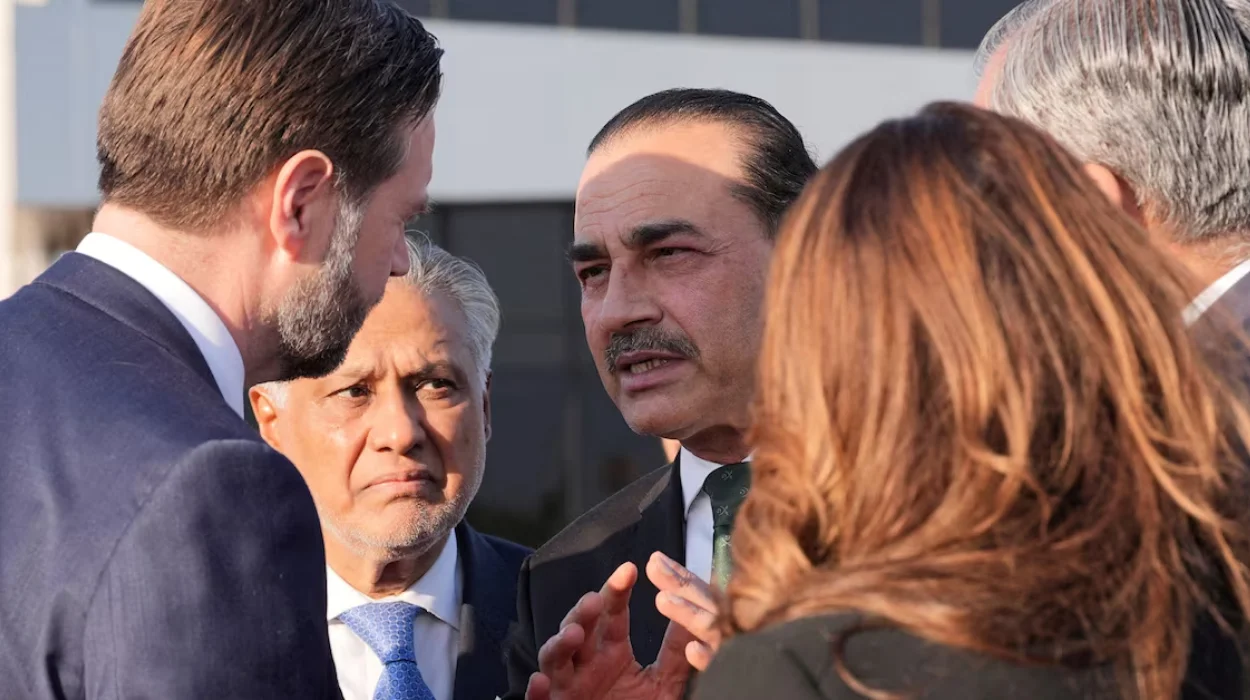
Negotiations have increasingly become one-offs. This was evident in the 21-hour Islamabad meeting, which led to multiple narratives. Official statements from both Pakistan and India pointed to different understandings of the negotiations, with no official documents or common metrics to consolidate progress.
This “stop and go” dynamic is not unlike patterns seen in 2015 when “imminent breakthroughs” were often subsequently denied or redefined. These inconsistencies erode trust, both between the negotiating parties and among global observers seeking to interpret the negotiations’ progress.
Diverging negotiation philosophies and expectations
The End of Professional Diplomacy in US Iran Talks is also characterised by different negotiation styles. In recent rounds, the contrast between US and Iranian styles has been more pronounced, making initial agreement more challenging.
These are not superficial, but have a significant impact on perceptions of progress, compromise and risk. Dissimilar negotiation cultures make procedural harmony more challenging, contributing to negotiation impasses.
United states emphasis on political signalling
The US has favoured visible, high-impact outcomes and the speedy delivery of political messages, often through decisive demands. This reduces multifaceted issues like sanctions lifting, nuclear inspections and regional stability to single, headline-grabbing demands.
Official statements during 2015 and 2016 often framed negotiations as an “all or nothing” proposition, focusing on acceptance versus rejection. This approach reduces flexibility, as domestic perceptions of concessions as weakness may be perceived.
Iran’s incremental and technical negotiation model
In contrast, Iran’s approach to negotiations prioritises sequencing and verification. Iranian offers, such as the much-cited 10-point proposal put forward in recent negotiations, favour sequenced agreements, in which each phase is linked to verifiable adherence.
This approach is not without precedent, given the role of “step-by-step trust-building” in the JCPOA process. When combined with a parallel process that emphasises speedy political results, this approach seems
Personalisation and media-driven diplomacy
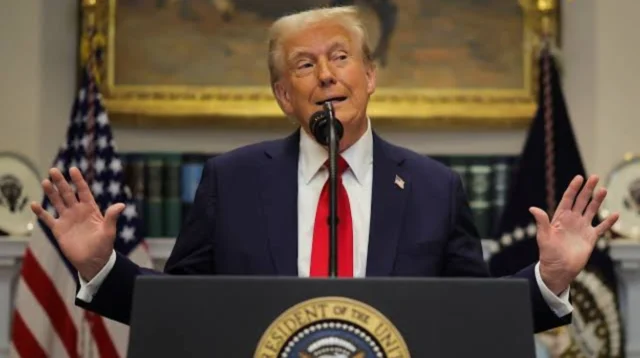
The rise of personalised diplomacy has helped bring about the End of Professional Diplomacy in US Iran Talks. President-driven communication, often via public rather than diplomatic channels, has changed the nature of diplomacy.
This has conflated policy statements with negotiation tactics and has created a measure of uncertainty in a volatile process. Diplomats must now grapple with formal talks and fluid narratives presented by public statements.
Leadership influence on negotiation dynamics
Political leaders have increasingly set the agenda for negotiations. Fluctuating statements – from threats of escalation to promises of peace – contribute to a volatile negotiating environment in which it’s hard to maintain a consistent stance.
This was seen in 2015, when mixed messages hampered backchannel negotiations. Negotiators in this environment are limited in agreeing to statements that can be amended publicly without consultation.
Impact of public narratives on diplomatic credibility
Public statements are now key to perceptions of progress. Various statements regarding agreements, concessions or outcomes may be made simultaneously, leading to confusion over the negotiation process.
This lessens transparency and fuels cynicism. In this context, the international community, including regional powers and international institutions, has difficulty in judging veracity when official accounts are contradictory. This ultimately undermines trust in the diplomatic process.
Institutional fragmentation and trust deficit
The demise of professional diplomacy in US Iran negotiations also stems from institutional disintegration on both sides of the aisle. Coordination between political, foreign policy and security institutions is critical to effective diplomacy. In the current situation, this appears to be lacking.
Disunity creates a balance between rhetoric and actions, making trust-building more challenging. The lack of consistency between on-ground actions and words spoken at the negotiation table erodes trust.
Internal coordination challenges in Washington
Media reports on the 2026 negotiations suggest a disconnect between political and military actions. While diplomatically there is an emphasis on de-escalation, simultaneously there are military activities such as maritime patrols or enforcement actions that suggest pressure is being maintained.
This multi-pronged strategy blurs intentions. For Iran, it fuels suspicions that negotiations could be a stalling tactic.
Parallel power structures in Tehran
Iran’s domestic structure also poses challenges, with various institutions shaping foreign policy. The relationship between the civilian diplomats and security bodies introduces potential tensions that impact negotiating unity.
In 2025, these factors applied to responses to international offers, with varying interpretations from different agencies. This creates challenges in formulating a coherent negotiating stance, making it harder to predict.
Implications for ceasefire sustainability and future diplomacy
The End of Professional Diplomacy in US Iran Talks carries significant implications for the durability of current ceasefire arrangements. Without structured negotiation frameworks, ceasefires risk becoming temporary pauses rather than stepping stones toward lasting agreements.
The April 2026 ceasefire, while reducing immediate tensions, reflects this limitation. Its continuation depends less on formal mechanisms and more on shifting political calculations, making it inherently fragile.
Short-term stabilization versus long-term resolution
Current diplomatic efforts prioritize immediate de-escalation over comprehensive settlement. While this approach can prevent escalation, it does not address underlying issues such as sanctions, nuclear policy, or regional security dynamics.
The absence of long-term planning mechanisms increases the likelihood of repeated cycles of escalation and temporary truce. Each cycle further erodes trust, making subsequent negotiations more complex.
Prospects for rebuilding structured diplomacy
Rebuilding professional diplomacy would require a return to institutional processes, including technical working groups, phased agreements, and multilateral oversight. The involvement of neutral intermediaries and international organizations could facilitate this transition.
Developments in 2025 demonstrated that even limited coordination could yield partial outcomes when supported by structured engagement. The challenge lies in re-establishing these mechanisms within an environment increasingly dominated by political immediacy and public signalling.
As negotiations continue to unfold, the trajectory of US–Iran engagement will likely hinge on whether both sides recalibrate toward institutional discipline or persist with ad hoc approaches. The broader implications extend beyond bilateral relations, shaping how diplomacy functions in an era where visibility often outweighs process, and where the endurance of agreements depends as much on political restraint as on negotiated terms.